

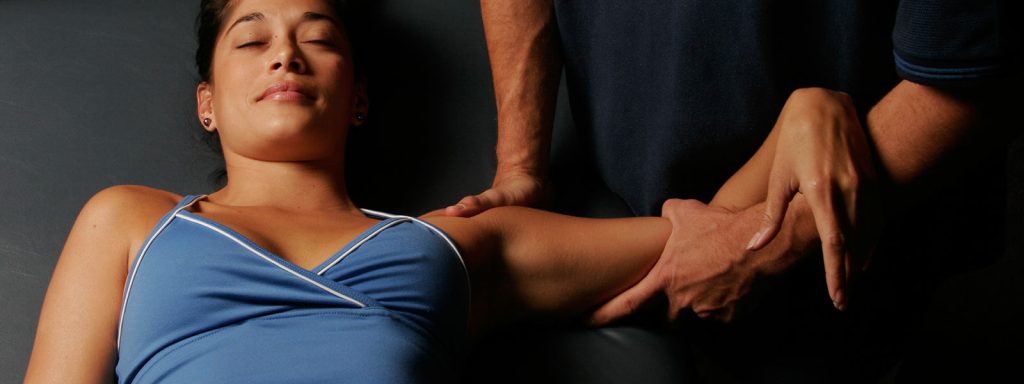
Shoulder pain can significantly affect daily life, making even simple movements difficult and uncomfortable. One of the most common causes of persistent shoulder pain is a rotator cuff injury. Whether caused by sports activities, repetitive motion, aging, or sudden trauma, rotator cuff problems can interfere with work, exercise, sleep, and overall quality of life.
For residents of Floral Park, NY, deciding between rotator cuff surgery and physical therapy can feel overwhelming. Some injuries heal successfully with non-surgical treatment, while others may require surgical intervention to restore strength and mobility. Understanding the differences between these treatment options is essential for making informed healthcare decisions.
At First Point MD, patients receive personalized orthopedic and sports medicine care designed to support recovery and long-term joint health. Treatment plans often include comprehensive evaluations, rehabilitation programs, and surgical recommendations when necessary.
This article explores rotator cuff injuries, the benefits of physical therapy, when surgery may be necessary, and how patients in Floral Park, NY can determine the best treatment path for their individual needs.
Understanding the Rotator Cuff
The rotator cuff is a group of muscles and tendons that stabilize the shoulder joint and allow smooth arm movement. These muscles help lift and rotate the arm while keeping the shoulder securely positioned.
Common Causes of Rotator Cuff Injuries
Rotator cuff injuries can develop gradually over time or occur suddenly after trauma.
Common causes include:
- Repetitive overhead motions
- Sports injuries
- Heavy lifting
- Aging-related tendon wear
- Falls or accidents
- Poor posture
- Shoulder instability
Athletes, construction workers, painters, and individuals with physically demanding jobs are especially vulnerable to rotator cuff problems.
Symptoms of a Rotator Cuff Injury
Symptoms vary depending on the severity of the injury.
Common signs include:
- Shoulder pain
- Weakness in the arm
- Difficulty lifting objects
- Limited range of motion
- Pain while sleeping
- Clicking or popping sensations
- Stiffness
Some patients experience mild discomfort, while others develop severe pain that limits daily activities.
Diagnosing Rotator Cuff Injuries
Accurate diagnosis is important before choosing between surgery and physical therapy.
Physical Examination
Healthcare providers evaluate:
- Shoulder strength
- Range of motion
- Pain patterns
- Joint stability
- Muscle weakness
These assessments help determine the severity of the injury.
Imaging Tests
Imaging studies may include:
- X-rays
- MRI scans
- Ultrasound imaging
These tests help identify tendon tears, inflammation, or structural damage.
First Point MD uses advanced diagnostic evaluations to develop personalized orthopedic treatment plans for shoulder injuries and sports-related conditions.
What Is Physical Therapy for Rotator Cuff Injuries?
Physical therapy is often the first treatment recommendation for mild to moderate rotator cuff injuries.
Goals of Physical Therapy
Physical therapy focuses on:
- Reducing pain
- Improving flexibility
- Strengthening shoulder muscles
- Restoring mobility
- Preventing future injuries
Treatment programs are customized based on the patient’s condition and activity level.
Common Physical Therapy Techniques
Therapists may use several treatment methods, including:
- Stretching exercises
- Strength training
- Range-of-motion exercises
- Posture correction
- Manual therapy
- Ice and heat therapy
- Electrical stimulation
Rehabilitation programs gradually increase activity levels while protecting the injured shoulder.
Benefits of Physical Therapy
Physical therapy offers several advantages:
- Non-surgical treatment
- Lower recovery risks
- Reduced pain
- Improved function
- Faster return to daily activities
- Avoidance of surgical complications
Many patients experience significant improvement with consistent rehabilitation and lifestyle modifications.
Sports rehabilitation programs at First Point MD focus on restoring strength, flexibility, and mobility through personalized recovery plans.
When Physical Therapy May Be Enough
Not every rotator cuff injury requires surgery. Many patients recover successfully through conservative treatment.
Partial Tears
Small or partial tendon tears often respond well to physical therapy. Strengthening surrounding muscles can help stabilize the shoulder and reduce strain on injured tissues.
Inflammation and Tendinitis
Inflammation-related shoulder pain may improve with rest, rehabilitation exercises, and anti-inflammatory treatment.
Older Adults With Mild Symptoms
Some older adults with degenerative rotator cuff changes may manage symptoms effectively without surgery, especially if shoulder function remains relatively stable.
Patients With Lower Activity Demands
Individuals who do not regularly perform heavy lifting or overhead activities may achieve acceptable results through non-surgical care alone.
What Is Rotator Cuff Surgery?
Surgery may be necessary when conservative treatment fails or the injury is severe.
Types of Rotator Cuff Surgery
Several surgical approaches are used depending on the injury.
Arthroscopic Repair
This minimally invasive procedure uses small incisions and a camera to repair damaged tendons.
Benefits include:
- Smaller scars
- Less tissue damage
- Faster recovery
- Reduced pain
Open Surgery
Larger tears or complex injuries may require traditional open surgery for better access to damaged tissues.
Tendon Transfer or Shoulder Replacement
Severe cases involving extensive damage may require more advanced procedures.
Goals of Surgery
Rotator cuff surgery aims to:
- Reattach torn tendons
- Restore shoulder strength
- Reduce pain
- Improve mobility
- Prevent further joint damage
Surgical decisions depend on age, injury severity, activity level, and overall health.
When Surgery May Be the Better Option
Certain situations increase the likelihood that surgery will provide better long-term outcomes.
Full-Thickness Tendon Tears
Complete tendon tears often do not heal properly without surgical repair.
Persistent Pain After Therapy
Patients who continue experiencing pain after several months of physical therapy may require surgery.
Significant Weakness
Severe weakness affecting work, sports, or daily activities may indicate structural damage requiring surgical correction.
Active Individuals and Athletes
Athletes and highly active individuals may benefit from surgery if shoulder instability affects performance or increases reinjury risk.
Acute Traumatic Injuries
Sudden injuries caused by falls or accidents may require early surgical treatment for optimal recovery.
Recovery Expectations After Physical Therapy
Recovery timelines vary depending on injury severity and patient consistency.
Rehabilitation Timeline
Mild injuries may improve within several weeks, while moderate injuries can require several months of therapy.
Importance of Consistency
Successful physical therapy depends heavily on:
- Attending scheduled sessions
- Performing home exercises
- Following activity restrictions
- Maintaining proper posture
Patients who stay committed to rehabilitation programs often achieve better outcomes.
Long-Term Shoulder Health
Ongoing strengthening exercises help maintain shoulder stability and reduce the risk of future injuries.
Recovery Expectations After Surgery
Surgical recovery typically takes longer than non-surgical treatment.
Post-Surgical Rehabilitation
Physical therapy remains essential after surgery to restore movement and strength.
Rehabilitation usually progresses through stages:
- Immobilization
- Gentle movement exercises
- Strengthening exercises
- Functional training
Recovery Timeline
Full recovery may take several months depending on:
- Tear severity
- Surgical method
- Patient age
- Rehabilitation progress
Patience and commitment are critical during the healing process.
Potential Surgical Risks
As with any procedure, surgery carries some risks, including:
- Infection
- Stiffness
- Re-tearing
- Nerve injury
- Prolonged recovery
Healthcare providers carefully evaluate risks before recommending surgery.
Comparing Surgery and Physical Therapy
Both treatment approaches have benefits depending on the individual patient.
| Factor | Physical Therapy | Rotator Cuff Surgery |
|---|---|---|
| Invasiveness | Non-surgical | Surgical procedure |
| Recovery Time | Usually shorter | Often longer |
| Risk Level | Lower | Higher |
| Cost | Typically lower | Usually higher |
| Best For | Mild to moderate injuries | Severe tears or failed therapy |
| Rehabilitation Needed | Yes | Yes |
| Pain Relief | Gradual improvement | Often significant after healing |
The best treatment depends on the patient’s goals, symptoms, and shoulder condition.
Lifestyle Changes That Support Shoulder Recovery
Whether patients choose surgery or physical therapy, healthy habits support better recovery.
Maintain Good Posture
Poor posture increases shoulder strain and may worsen symptoms.
Avoid Overuse
Limiting repetitive overhead movements allows injured tissues to heal properly.
Stay Active Safely
Low-impact exercise helps maintain circulation and muscle strength without overloading the shoulder.
Follow Medical Advice
Patients should carefully follow rehabilitation instructions and attend follow-up appointments consistently.
How First Point MD Supports Rotator Cuff Treatment in Floral Park, NY
Patients benefit from personalized orthopedic and sports medicine care designed to improve mobility and reduce pain.
Comprehensive Orthopedic Evaluations
First Point MD offers detailed orthopedic assessments for conditions including rotator cuff injuries, tendonitis, bursitis, and sports-related shoulder pain.
Non-Surgical Treatment Options
The clinic provides rehabilitation services, physical therapy guidance, joint injections, and personalized recovery programs aimed at reducing pain and restoring shoulder function.
Surgical Guidance and Rehabilitation
When surgery becomes necessary, patients receive support throughout the treatment and rehabilitation process. Recovery plans are tailored to individual activity levels and long-term goals.
The sports medicine team focuses on helping patients return safely to work, exercise, and daily activities through evidence-based treatment strategies.
Tips for Choosing the Right Treatment
Deciding between surgery and physical therapy requires careful evaluation.
Patients should consider:
- Severity of the tear
- Activity level
- Age
- Pain intensity
- Work requirements
- Recovery expectations
- Overall health
Discussing treatment goals openly with a healthcare provider helps patients make confident decisions.
In many cases, physical therapy is attempted before surgery unless the injury is severe or traumatic.
Conclusion
Choosing between rotator cuff surgery and physical therapy depends on several important factors, including injury severity, activity level, recovery goals, and overall health. While many patients improve through non-surgical rehabilitation, others may require surgical repair to restore shoulder stability and function.
Physical therapy offers a conservative approach focused on strengthening muscles, improving flexibility, and reducing pain. Surgery may provide better results for severe tears, persistent weakness, or injuries that do not respond to rehabilitation.
For residents of Floral Park, NY, receiving personalized orthopedic care is essential for successful recovery. At First Point MD, patients benefit from comprehensive evaluations, customized rehabilitation programs, and expert guidance designed to support long-term shoulder health and mobility. By working closely with experienced healthcare providers, individuals can choose the treatment approach that best supports their lifestyle and recovery goals.