

Preventive healthcare plays a major role in helping individuals stay healthy and avoid serious medical complications. Rather than waiting for symptoms to appear, preventive care focuses on early detection, routine screenings, and regular health evaluations. Among the most important preventive healthcare services for adults are annual physicals and Pap smears.
For residents of Floral Park, NY, staying proactive about health can lead to better long-term outcomes, improved quality of life, and reduced healthcare costs. Annual physical exams provide a complete overview of a person’s health, while Pap smears are essential screenings that help detect abnormal cervical cell changes before they become dangerous.
At First Point MD, preventive healthcare services are designed to support patients through every stage of life. Routine checkups and screenings allow healthcare providers to identify potential health concerns early, provide guidance on healthy living, and create personalized care plans that fit each patient’s needs.
This article explains how annual physicals and Pap smears support preventive health in Floral Park, NY and why these routine appointments are important for maintaining overall wellness.
Understanding Preventive Healthcare
Preventive healthcare focuses on reducing the risk of illness through regular medical care, screenings, vaccinations, and lifestyle guidance. The goal is to identify health issues early when they are easier to treat and manage.
Why Preventive Care Matters
Many serious health conditions develop gradually without obvious symptoms. High blood pressure, diabetes, cervical cancer, and high cholesterol may remain unnoticed for years if individuals avoid routine medical care.
Preventive services help healthcare providers:
- Detect diseases early
- Monitor ongoing health conditions
- Provide lifestyle recommendations
- Reduce complications
- Improve long-term health outcomes
- Encourage healthier habits
Regular healthcare visits can also strengthen communication between patients and medical providers, creating a trusted relationship that supports better care.
What Happens During an Annual Physical?
An annual physical is a routine medical examination that evaluates overall health. These visits help healthcare providers assess physical wellness, review medical history, and monitor changes over time.
Comprehensive Health Evaluation
During an annual physical, healthcare providers review several aspects of a patient’s health, including:
- Blood pressure
- Heart rate
- Weight and body mass index
- Respiratory health
- Medical history
- Family health history
- Current medications
- Lifestyle habits
This evaluation provides valuable information about a patient’s overall condition and potential risk factors.
Routine Screenings and Tests
Annual physicals may also include laboratory testing or recommended screenings based on age, gender, and medical history.
Common screenings include:
- Blood sugar testing
- Cholesterol checks
- Thyroid function tests
- Urinalysis
- Cancer screenings
- Vaccination updates
Routine testing helps identify hidden health concerns before symptoms develop.
Personalized Health Guidance
Healthcare providers use annual physicals as opportunities to discuss nutrition, exercise, sleep habits, stress management, and mental wellness.
Patients can ask questions about:
- Weight management
- Chronic disease prevention
- Medication concerns
- Fatigue
- Sleep problems
- Anxiety or stress
These conversations encourage patients to take an active role in their health.
The Importance of Pap Smears for Women’s Health
Pap smears are one of the most important preventive screenings for women. This simple test helps detect abnormal cervical cells that may develop into cervical cancer if left untreated.
What Is a Pap Smear?
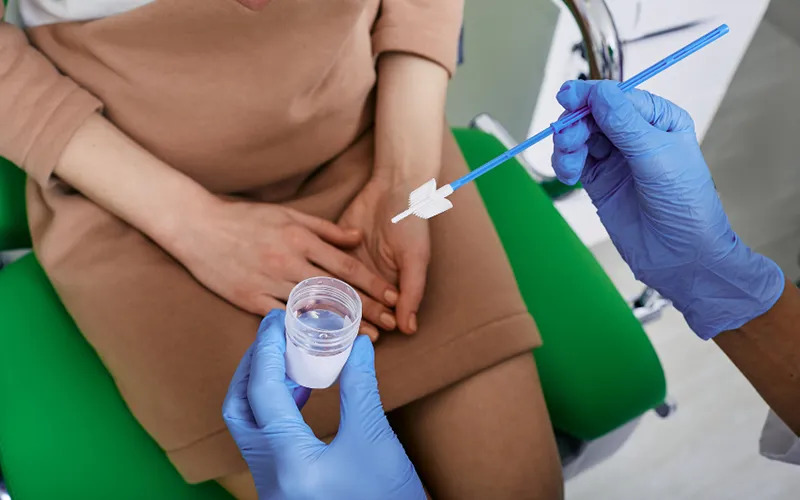
A Pap smear, also called a Pap test, involves collecting a small sample of cells from the cervix for laboratory analysis.
The procedure is usually quick and performed during a routine gynecological exam. While some women may feel mild discomfort, the test is generally well tolerated.
Early Detection Saves Lives
Cervical cancer often develops slowly over time. In many cases, abnormal cell changes appear years before cancer forms.
Pap smears help detect:
- Precancerous cell changes
- Human papillomavirus (HPV)-related abnormalities
- Early-stage cervical cancer
When abnormalities are identified early, treatment is usually more effective and less invasive.
Recommended Screening Guidelines
Pap smear recommendations may vary depending on age, medical history, and risk factors.
In general:
- Women should begin Pap smear screenings in early adulthood
- Screening frequency depends on previous results and provider recommendations
- Some women may also require HPV testing
Healthcare providers at First Point MD help patients understand the appropriate screening schedule for their individual needs.
How Annual Physicals Support Long-Term Health
Routine physical exams do more than identify illness. They create a foundation for lifelong wellness.
Monitoring Chronic Conditions
Many individuals live with chronic conditions such as:
- Diabetes
- High blood pressure
- Asthma
- Heart disease
- Thyroid disorders
Annual physicals help healthcare providers monitor these conditions and adjust treatment plans when necessary.
Consistent follow-up care improves disease management and reduces complications.
Encouraging Healthy Lifestyle Choices
Healthcare providers often use annual checkups to discuss healthy lifestyle habits.
Topics may include:
- Balanced nutrition
- Exercise routines
- Smoking cessation
- Alcohol consumption
- Sleep quality
- Stress reduction
Even small lifestyle improvements can have a major impact on long-term health.
Mental Health Assessments
Mental health is an important part of preventive healthcare. Annual physicals may include discussions about emotional well-being, anxiety, depression, and stress.
Addressing mental health concerns early can improve both emotional and physical wellness.
Benefits of Preventive Healthcare for Women
Women face unique healthcare needs throughout different stages of life. Preventive services such as annual physicals and Pap smears support reproductive health and overall wellness.
Reproductive Health Monitoring
Preventive care helps monitor reproductive health concerns including:
- Menstrual irregularities
- Hormonal changes
- Fertility concerns
- Menopause symptoms
Routine evaluations allow providers to identify issues early and recommend appropriate treatment options.
Pregnancy and Family Planning Support
Women considering pregnancy benefit from preventive care before conception. Healthcare providers can review medications, nutritional needs, and medical history to support healthier pregnancies.
Family planning discussions may also include contraception counseling and reproductive health education.
Breast and Cervical Cancer Prevention
Routine screenings improve the likelihood of detecting cancer early when treatment outcomes are often more successful.
Preventive screenings may include:
- Pap smears
- Breast exams
- Mammogram referrals
- HPV testing
Regular monitoring plays an important role in reducing cancer-related risks.
Preventive Care for Adults of All Ages
Preventive healthcare remains important throughout every stage of adulthood.
Young Adults
Young adults often feel healthy and may skip routine checkups. However, early preventive care helps establish healthy habits and identify potential risk factors before problems develop.
Middle-Aged Adults
As people age, the risk of chronic diseases increases. Annual physicals become especially important for monitoring blood pressure, cholesterol, blood sugar, and heart health.
Older Adults
Older adults may require additional screenings, medication reviews, and mobility assessments. Preventive care supports independence and healthy aging.
Healthcare providers can also evaluate fall risks, memory concerns, and bone health during routine visits.
Common Barriers to Preventive Healthcare
Despite the importance of preventive care, many people delay or avoid routine medical appointments.
Busy Schedules
Work, family responsibilities, and personal obligations often make it difficult for individuals to prioritize healthcare visits.
However, preventive appointments can save time and stress in the future by identifying health issues early.
Fear or Anxiety
Some patients feel nervous about medical exams or fear receiving bad news. Others may avoid screenings because they feel healthy and assume nothing is wrong.
Healthcare providers aim to create comfortable, supportive environments where patients feel informed and respected.
Lack of Symptoms
Many serious conditions do not show symptoms in their early stages. Waiting until symptoms appear may allow diseases to progress further.
Preventive screenings are valuable because they detect problems before noticeable symptoms develop.
How First Point MD Supports Preventive Health in Floral Park, NY
Access to compassionate, high-quality healthcare is essential for preventive wellness.
Patient-Centered Medical Care
First Point MD provides personalized healthcare services designed to meet the needs of patients throughout Floral Park, NY.
Providers focus on:
- Preventive screenings
- Chronic disease management
- Women’s health
- Annual physical exams
- Patient education
The goal is to help patients stay healthy through proactive and comprehensive care.
Personalized Preventive Plans
Every patient has unique health concerns, family history, and lifestyle factors. Healthcare providers develop individualized care plans based on each person’s medical needs.
Personalized recommendations may include:
- Screening schedules
- Nutritional guidance
- Exercise recommendations
- Vaccination updates
- Stress management strategies
Tailored care improves both patient comfort and health outcomes.
Building Long-Term Healthcare Relationships
Consistent medical care allows patients to build trusted relationships with their healthcare providers. Strong communication encourages better follow-up care and long-term wellness.
Patients who attend regular annual physicals and screenings often feel more confident about managing their health proactively.
Tips for Preparing for Your Annual Physical or Pap Smear
Preparing for preventive appointments can help patients feel more comfortable and organized.
Before the Appointment
Patients should:
- Bring a list of medications
- Review family medical history
- Write down health questions or concerns
- Gather insurance information
- Update vaccination records if needed
During the Visit
Honest communication helps healthcare providers deliver better care. Patients should discuss any symptoms, lifestyle changes, or concerns openly.
After the Appointment
Following medical recommendations, scheduling follow-up tests, and maintaining healthy habits are important steps after preventive visits.
Conclusion
Annual physicals and Pap smears are essential parts of preventive healthcare for residents of Floral Park, NY. These routine medical services help identify health concerns early, support women’s health, and encourage long-term wellness through proactive care.
Annual physical exams provide valuable insight into overall health, while Pap smears help detect cervical abnormalities before they become serious. Together, these preventive services improve the chances of early treatment, healthier lifestyles, and better long-term outcomes.
At First Point MD, patients receive compassionate and personalized preventive care designed to support every stage of life. By prioritizing regular checkups and screenings, individuals can take important steps toward protecting their health and maintaining a higher quality of life for years to come.