
Introduction
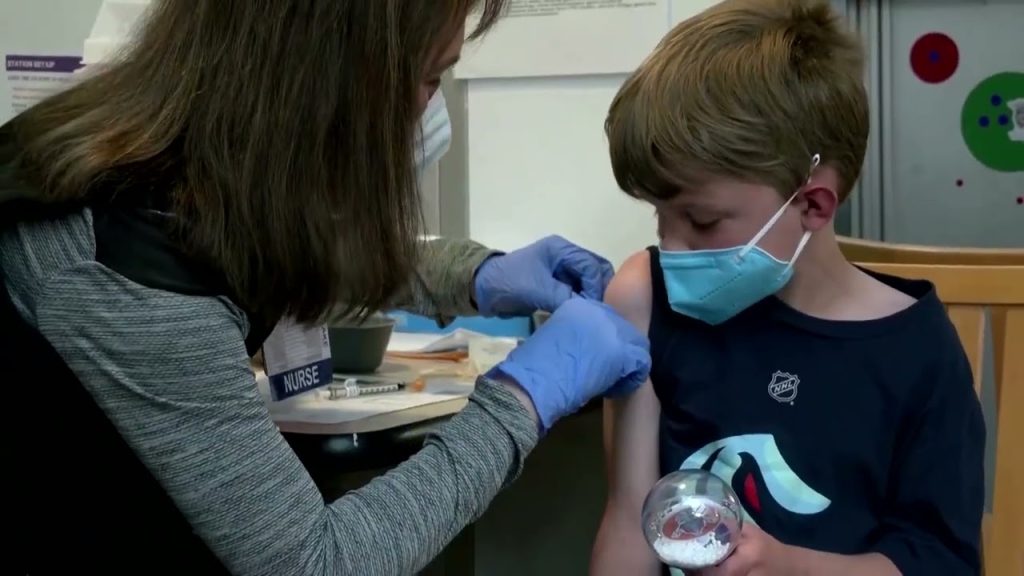
Routine immunization is one of the most effective public health strategies for protecting children from dangerous and potentially life-threatening diseases. Vaccines have transformed global healthcare by dramatically reducing childhood illness, disability, and mortality. Today, routine immunization protects children from diseases such as measles, polio, diphtheria, pertussis, and hepatitis B—many of which once caused widespread outbreaks.
According to global health experts, immunization saves between 3.5 and 5 million lives every year worldwide regarding preventable diseases. This remarkable impact highlights why routine immunization remains a cornerstone of preventive pediatric healthcare.
For parents, understanding the importance of routine vaccinations can help ensure their children grow up healthy and protected. Healthcare providers, including those at First Point MD, emphasize the value of following recommended vaccination schedules to safeguard both individual children and entire communities.
This article explores why routine immunization is essential, how vaccines work, and how they protect children from preventable diseases.
Understanding Routine Immunization
Routine immunization refers to the regular administration of vaccines to children according to an established schedule designed by healthcare authorities. These schedules are carefully developed to provide protection at the earliest and safest ages when children are most vulnerable to infections.
Vaccines train the body’s immune system to recognize and fight harmful viruses or bacteria. Instead of causing illness, vaccines introduce a weakened or inactive form of the pathogen, enabling the immune system to develop protective antibodies.
Once vaccinated, the immune system “remembers” the pathogen. If the child is exposed to the real disease later, the body can respond quickly and prevent serious illness.
Routine immunization typically begins shortly after birth and continues through early childhood. Common vaccines administered during childhood include:
-
Hepatitis B
-
Polio
-
Measles, Mumps, and Rubella (MMR)
-
Diphtheria, Tetanus, and Pertussis (DTaP)
-
Rotavirus
-
Pneumococcal disease
-
Influenza
By following the recommended vaccination schedule, parents can ensure their children develop strong immunity before encountering harmful pathogens.
The Importance of Protecting Children from Preventable Diseases
Children are particularly vulnerable to infectious diseases because their immune systems are still developing. Routine immunization provides early protection during these critical stages of growth.
Before vaccines were widely available, many childhood illnesses caused severe complications, long-term disabilities, or death. Diseases such as measles and polio affected millions of children worldwide.
Vaccination has dramatically reduced these risks. In fact, immunization programs have helped eliminate or significantly reduce many once-common diseases.
Protecting children through vaccination offers several important benefits:
Prevents Serious Illness
Vaccines protect against diseases that can cause severe complications, including pneumonia, brain damage, paralysis, and even death.
Reduces Hospitalizations
Children who are vaccinated are far less likely to require hospitalization for infectious diseases.
Protects Future Generations
Widespread vaccination can eliminate diseases entirely, as demonstrated by the eradication of smallpox.
Improves Quality of Life
Healthy children can grow, learn, and thrive without the interruptions caused by serious illnesses.
By ensuring routine immunization, parents take an essential step toward protecting their child’s long-term health.
How Vaccines Work to Protect the Body
Vaccines work by stimulating the immune system to develop protection against specific diseases without causing the illness itself.
When a vaccine enters the body:
-
The immune system recognizes the weakened or inactive germ.
-
The body produces antibodies to fight it.
-
The immune system stores memory cells for future protection.
If the child later encounters the real pathogen, the immune system quickly recognizes it and destroys it before illness develops.
Because vaccines contain weakened or inactive germs, they do not cause the disease they protect against.
This immune training process is why vaccination is considered a safe and highly effective preventive healthcare strategy.
Common Diseases Prevented by Childhood Vaccines
Routine immunization protects children from numerous potentially dangerous diseases. Some of the most important vaccine-preventable illnesses include:
Measles
A highly contagious viral infection that can cause pneumonia, brain swelling, and death.
Polio
A viral disease that can lead to paralysis and permanent disability.
Diphtheria
A bacterial infection that affects breathing and can damage the heart and nervous system.
Pertussis (Whooping Cough)
A severe respiratory infection that can be life-threatening for infants.
Tetanus
A serious bacterial infection causing painful muscle stiffness and spasms.
Hepatitis B
A viral infection that affects the liver and may lead to chronic disease or cancer.
Vaccination programs have significantly reduced the global burden of these diseases, protecting millions of children each year.
The Role of Herd Immunity
Routine immunization not only protects vaccinated individuals but also safeguards entire communities through herd immunity.
Herd immunity occurs when a large portion of the population is vaccinated, making it difficult for infectious diseases to spread.
This is especially important for vulnerable individuals who cannot receive vaccines, including:
-
Newborn babies
-
People with weakened immune systems
-
Individuals undergoing medical treatments such as chemotherapy
When vaccination coverage is high, disease transmission decreases dramatically. However, when immunization rates fall, outbreaks can occur.
Therefore, routine immunization plays a critical role in protecting both individuals and communities.
Why Following the Immunization Schedule Matters
Vaccination schedules are carefully designed by health experts to ensure children receive protection at the most effective times.
Children are vaccinated early in life because they are more vulnerable to infections and their immune systems need support during development.
Vaccinating on schedule ensures that:
-
Protection begins before exposure to disease
-
Immunity develops at the right age
-
Booster doses strengthen immune memory
If vaccinations are delayed or skipped, children may remain vulnerable to infections for longer periods.
Healthcare providers strongly recommend following the full immunization schedule to ensure maximum protection.
Addressing Vaccine Safety Concerns
Many parents naturally want to ensure that vaccines are safe for their children. Fortunately, vaccines undergo extensive testing and monitoring before approval.
Safety measures include:
-
Rigorous clinical trials
-
Continuous monitoring by health authorities
-
Strict quality control during manufacturing
Serious side effects from vaccines are extremely rare. Most children experience only mild reactions such as:
-
Mild fever
-
Soreness at the injection site
-
Temporary fatigue
The benefits of vaccination far outweigh the small risk of minor side effects. In fact, vaccines are considered one of the safest medical interventions available today.
Long-Term Benefits of Childhood Immunization
Routine immunization provides long-lasting benefits that extend far beyond childhood.
Reduced Disease Burden
Vaccines significantly decrease the spread of infectious diseases across populations.
Improved Life Expectancy
By preventing deadly illnesses, vaccines contribute to longer and healthier lives.
Lower Healthcare Costs
Preventing diseases reduces medical expenses, hospitalizations, and long-term care needs.
Stronger Public Health Systems
Vaccination programs strengthen healthcare infrastructure and disease surveillance.
Over time, these benefits improve overall population health and contribute to healthier societies.
The Role of Parents and Healthcare Providers
Parents and healthcare providers share responsibility for ensuring children receive routine immunizations.
Parents can support vaccination by:
-
Keeping accurate vaccination records
-
Scheduling regular pediatric visits
-
Following recommended vaccine timelines
-
Asking healthcare providers questions about vaccines
Healthcare providers help by:
-
Educating families about vaccine benefits
-
Monitoring children’s health during vaccinations
-
Addressing safety concerns
-
Maintaining immunization schedules
Collaboration between families and healthcare professionals ensures children receive the protection they need.
Overcoming Barriers to Childhood Vaccination
Despite the proven benefits of vaccines, some barriers still prevent children from receiving routine immunization.
Common challenges include:
-
Limited access to healthcare services
-
Vaccine misinformation
-
Lack of awareness about immunization schedules
-
Transportation difficulties
Public health initiatives aim to address these barriers by expanding access to vaccination programs and improving education about vaccine safety and effectiveness.
Increasing vaccination coverage is essential to protect all children from preventable diseases.
Conclusion
Routine immunization is one of the most powerful tools available for protecting children from preventable diseases. By stimulating the immune system to build strong defenses, vaccines help prevent serious illnesses that once caused widespread harm.
From preventing deadly infections to strengthening community health through herd immunity, the benefits of vaccination are extensive and well documented.
Parents who follow recommended immunization schedules give their children the best chance for a healthy future. With the support of healthcare providers like those at First Point MD, families can confidently protect their children through routine vaccinations.
Ensuring every child receives timely immunizations is not only a personal health decision—it is a commitment to building healthier communities and safeguarding future generations.