

Hormonal birth control is one of the most effective and widely used methods for preventing pregnancy and managing reproductive health concerns. Many women also rely on hormonal birth control to regulate periods, reduce menstrual pain, improve acne, and manage hormonal imbalances. However, not every birth control method works the same for every woman. Over time, some women may notice side effects, lifestyle changes, or health concerns that signal it may be time to switch to a different option.
Understanding when to switch your hormonal birth control method is important for maintaining comfort, effectiveness, and overall health. At First Point MD in Floral Park, NY, patients receive personalized women’s healthcare designed to help them choose the safest and most suitable contraceptive methods for their needs. The clinic offers family planning, birth control counseling, and women’s health services tailored to each stage of life.
Choosing the right hormonal birth control method is a personal decision that should be based on medical history, lifestyle, symptoms, and future reproductive goals.
Understanding Hormonal Birth Control
Hormonal birth control works by altering hormone levels in the body to prevent pregnancy. These methods may stop ovulation, thicken cervical mucus, or thin the uterine lining.
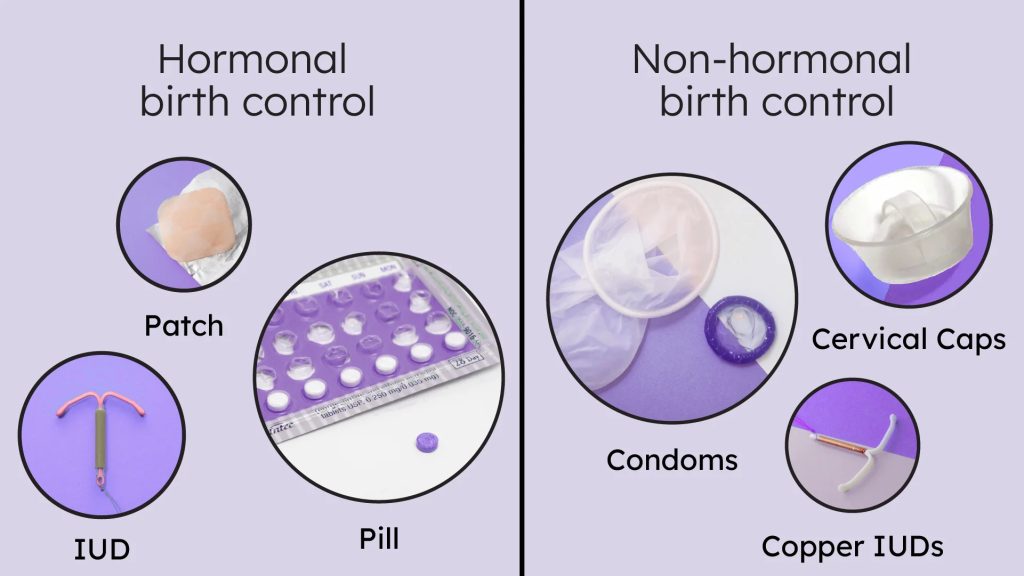
Common hormonal birth control methods include:
- Birth control pills
- Hormonal intrauterine devices (IUDs)
- Birth control patches
- Vaginal rings
- Birth control injections
- Hormonal implants
Each option contains different hormone combinations and delivery methods. Some women respond well to one type while experiencing side effects with another.
Why Women Switch Hormonal Birth Control Methods
There are many reasons women decide to switch their birth control method. In some cases, the change is medically necessary. In other situations, lifestyle changes or personal preferences influence the decision.
Switching birth control does not mean the original method failed. The body changes over time, and healthcare needs may also evolve.
Signs It May Be Time to Switch Your Birth Control
Persistent Side Effects
Some women experience mild side effects when starting hormonal birth control, especially during the first few months. Common temporary side effects include:
- Nausea
- Breast tenderness
- Spotting
- Mild headaches
- Mood changes
However, if side effects continue or worsen over time, it may indicate that the current method is not the best fit.
Persistent symptoms such as severe headaches, mood instability, or ongoing nausea should be discussed with a healthcare provider.
Irregular or Heavy Bleeding
Unexpected bleeding patterns are another common reason women switch hormonal birth control methods.
Women should seek medical advice if they experience:
- Very heavy periods
- Bleeding between periods
- Long-lasting spotting
- Missed periods unrelated to pregnancy
Certain hormonal methods may improve bleeding problems, while others may worsen them depending on the individual.
Mood Changes and Emotional Symptoms
Hormonal changes can affect emotional health in some women. Mood swings, anxiety, irritability, or depression may develop after starting a new birth control method.
Although not every emotional change is caused by birth control, persistent symptoms should be evaluated carefully.
A personalized healthcare approach helps determine whether switching hormones or changing methods may improve emotional well-being.
Decreased Effectiveness Due to Lifestyle Changes
Lifestyle changes can influence how well certain birth control methods fit into daily routines.
For example:
- Busy schedules may make daily pills difficult to remember
- Travel may interfere with medication consistency
- Weight changes may affect hormone levels
- Smoking increases risks with certain hormonal methods
Some women prefer long-term options such as IUDs or implants because they require less daily maintenance.
Changes in Reproductive Goals
Women may decide to switch birth control methods when their family planning goals change.
Examples include:
- Preparing for pregnancy
- Delaying pregnancy longer than originally planned
- Seeking reversible long-term contraception
- Managing menopause-related symptoms
Healthcare providers can help patients transition safely between birth control methods while protecting reproductive health.
Health Conditions That May Require Switching
Certain health conditions may make some hormonal birth control methods less suitable over time.
These conditions may include:
- High blood pressure
- Migraine headaches with aura
- Blood clotting disorders
- Heart disease
- Smoking after age 35
- Liver disease
Women with changing medical conditions should regularly review their contraceptive choices with a healthcare provider.
Weight Changes and Hormonal Birth Control
Some women notice weight fluctuations after starting hormonal birth control. While research findings vary, certain individuals may feel bloated or experience appetite changes.
If weight gain becomes concerning or affects self-confidence and overall wellness, discussing alternative methods with a provider may help.
A personalized treatment approach considers the patient’s health goals and body response.
Acne and Skin Changes
Hormonal birth control can affect the skin in different ways.
Some women experience:
- Improved acne
- Reduced oil production
- Clearer skin
Others may develop worsening acne or skin sensitivity after changing hormone levels.
When skin changes become frustrating or persistent, switching methods may provide better hormonal balance.
Headaches and Migraines
Frequent headaches or migraines may signal that hormonal adjustments are needed.
Women who develop migraines with visual disturbances or neurological symptoms should seek prompt medical evaluation because certain hormonal methods may increase health risks in these cases.
Low Libido or Sexual Health Concerns
Some women report changes in sexual desire while using hormonal birth control. Hormonal fluctuations may influence libido differently depending on the individual and the specific contraceptive method.
If birth control negatively impacts intimacy or sexual wellness, discussing alternative options with a healthcare provider can help improve quality of life.
Benefits of Personalized Birth Control Counseling
Every woman’s body responds differently to hormones. Personalized care helps patients choose birth control methods that align with their health history, symptoms, and lifestyle.
At First Point MD, providers offer comprehensive women’s health services including family planning, birth control counseling, and preventive care. The clinic focuses on individualized treatment plans designed to support long-term wellness and reproductive health.
Personalized counseling may include:
- Reviewing medical history
- Evaluating symptoms
- Discussing reproductive goals
- Explaining risks and benefits
- Monitoring treatment outcomes
How Doctors Help You Switch Safely
Switching hormonal birth control should always be done under medical supervision to reduce the risk of unintended pregnancy or hormone-related complications.
Healthcare providers may recommend:
- Immediate switching
- Gradual transition periods
- Backup contraception during transition
- Hormonal monitoring
The safest approach depends on the type of birth control being changed and the patient’s medical history.
Importance of Regular Women’s Health Visits
Routine healthcare visits allow women to discuss concerns before they become more serious.
Regular checkups help monitor:
- Blood pressure
- Hormonal symptoms
- Menstrual changes
- Medication side effects
- Overall reproductive health
Preventive care and routine screenings are important parts of women’s healthcare at First Point MD in Floral Park, NY.
Common Myths About Switching Birth Control
Myth 1: Switching Birth Control Is Dangerous
With proper medical guidance, switching birth control is generally safe and common.
Myth 2: Side Effects Must Be Tolerated
Women should not feel forced to continue a method that negatively affects their quality of life.
Myth 3: One Method Works for Everyone
Every woman responds differently to hormonal changes. Personalized care is essential for finding the best option.
Myth 4: Fertility Will Be Permanently Affected
Most women regain fertility after stopping hormonal birth control.
Lifestyle Factors That Influence Birth Control Choices
Many lifestyle habits influence which hormonal method works best.
Important factors include:
- Work schedules
- Physical activity levels
- Smoking status
- Stress levels
- Medical history
- Relationship status
Healthcare providers help patients choose methods that fit naturally into their routines.
Long-Term Women’s Health and Hormonal Management
Hormonal birth control may also support long-term health management for conditions such as:
- Polycystic ovary syndrome (PCOS)
- Endometriosis
- Heavy periods
- Painful menstruation
- Hormonal acne
Treatment plans should be adjusted as health needs change over time.
Why Women in Floral Park Choose First Point MD
Women in Floral Park trust First Point MD for comprehensive and compassionate healthcare services. The clinic provides preventive care, women’s health evaluations, chronic condition management, and personalized treatment planning in a supportive environment.
Patients benefit from:
- Individualized care plans
- Experienced medical providers
- Preventive screenings
- Family planning support
- Long-term wellness guidance
The practice emphasizes patient education and collaborative decision-making to help women feel confident about their healthcare choices.
Frequently Asked Questions
How do I know if my birth control is no longer right for me?
Persistent side effects, irregular bleeding, mood changes, or lifestyle challenges may indicate it is time to discuss other options with your healthcare provider.
Is it safe to switch hormonal birth control methods?
Yes. Most women can safely switch methods with proper medical guidance.
Can hormonal birth control affect mood?
Some women experience mood changes related to hormonal fluctuations, although effects vary by individual.
Will switching birth control cause weight gain?
Not necessarily. Every woman responds differently to hormonal changes.
How long does it take to adjust to a new birth control method?
The body may take several weeks or months to fully adjust depending on the method used.
Can hormonal birth control help with painful periods?
Yes. Many hormonal methods reduce menstrual pain and regulate cycles.
Conclusion
Understanding when to switch your hormonal birth control method in Floral Park, NY is an important part of maintaining reproductive health and overall wellness. While hormonal birth control offers many benefits, no single method works perfectly for every woman throughout every stage of life.
Persistent side effects, changing health conditions, lifestyle shifts, and reproductive goals may all signal the need for a different contraceptive approach. Personalized healthcare ensures women receive treatment plans that fit their unique needs and support long-term comfort and safety.
At First Point MD, patients receive compassionate women’s healthcare focused on education, prevention, and individualized treatment. Through personalized birth control counseling and ongoing medical support, women can make informed decisions that protect both reproductive and overall health.