

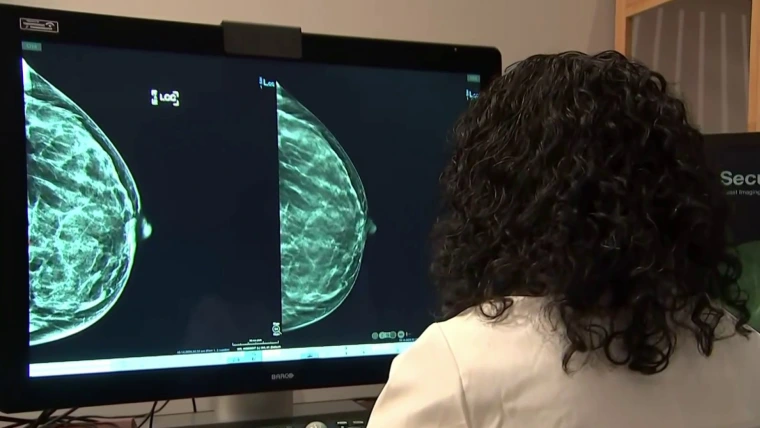
Cancer remains one of the leading causes of death among women worldwide. However, advances in medical technology, early detection, and preventive care have significantly changed the outlook for many cancers. One of the most powerful tools in this progress is women’s cancer screening. Regular screening allows healthcare providers to detect cancer at its earliest and most treatable stages, reducing mortality and improving survival rates.
At First Point MD, preventive care is a cornerstone of women’s health. By prioritizing timely cancer screenings, women can take proactive steps to protect their health, improve outcomes, and enhance quality of life.
Understanding Women’s Cancer Screening
Women’s cancer screening refers to medical tests and examinations designed to detect cancer or precancerous changes before symptoms appear. Screening does not prevent cancer from developing, but it greatly increases the chances of successful treatment by identifying disease early.
Common cancers addressed through screening include:
-
Breast cancer
-
Cervical cancer
-
Colorectal cancer
-
Ovarian cancer (for high-risk individuals)
-
Lung cancer (for eligible populations)
Screening recommendations vary based on age, risk factors, and family history, making personalized care essential.
Why Early Detection Matters
Early detection is one of the most critical factors in cancer survival. When cancer is found at an early stage:
-
Treatment is often less aggressive
-
Survival rates are significantly higher
-
The risk of complications is lower
-
Quality of life is better preserved
For many cancers, early-stage disease may be asymptomatic, underscoring the importance of regular screening even when women feel healthy.
Breast Cancer Screening and Survival Outcomes
Mammography and Early Diagnosis
Breast cancer is one of the most common cancers affecting women. Mammography remains the gold standard for breast cancer screening and has been shown to reduce mortality by detecting tumors before they become clinically apparent.
Benefits of regular mammograms include:
-
Detection of small, localized tumors
-
Identification of ductal carcinoma in situ (DCIS)
-
Improved treatment options and outcomes
Additional Screening Tools
For women with dense breast tissue or higher risk, additional imaging such as ultrasound or MRI may be recommended to enhance detection accuracy.
Cervical Cancer Screening: A Preventive Success Story
Cervical cancer screening is one of the most effective examples of how screening reduces cancer mortality.
Pap Tests and HPV Testing
-
Pap smears detect precancerous cellular changes
-
HPV testing identifies high-risk strains of the human papillomavirus
Together, these tests allow for early intervention before cancer develops.
Impact on Mortality Rates
Widespread cervical cancer screening has led to a dramatic decline in both incidence and mortality. Early treatment of precancerous lesions prevents progression to invasive cancer, saving lives.
Colorectal Cancer Screening in Women
Although often associated with men, colorectal cancer significantly affects women as well.
Screening Options
Available screening methods include:
-
Colonoscopy
-
Stool-based tests
-
Flexible sigmoidoscopy
Colonoscopy not only detects cancer but also allows for the removal of precancerous polyps, making it both a diagnostic and preventive tool.
Survival Benefits
When detected early, colorectal cancer has a high survival rate. Regular screening is particularly important for women over 45 and those with a family history of the disease.
Ovarian Cancer Screening and Risk-Based Approaches
Ovarian cancer is challenging to detect early due to vague symptoms and the lack of a universal screening test.
High-Risk Populations
Women with:
-
BRCA gene mutations
-
Strong family history of ovarian or breast cancer
may benefit from closer monitoring, genetic counseling, and risk-reducing strategies.
While routine screening is not recommended for average-risk women, targeted surveillance plays a crucial role in high-risk individuals.
Lung Cancer Screening for Eligible Women
Lung cancer screening is recommended for women with a significant smoking history.
Low-Dose CT Scans
Low-dose computed tomography (LDCT) can detect lung cancer at earlier stages, improving survival outcomes.
This screening is especially important as lung cancer remains a leading cause of cancer-related death among women, often diagnosed at advanced stages without screening.
Reducing Cancer Mortality Through Regular Screening
Women’s cancer screening directly impacts mortality by:
-
Detecting cancer before symptoms appear
-
Enabling earlier, more effective treatment
-
Reducing the need for extensive therapies
-
Lowering recurrence rates
Studies consistently show that women who adhere to screening guidelines experience better survival outcomes than those who do not.
Improving Survival Rates With Personalized Screening Plans
Not all women have the same cancer risk. Factors influencing screening recommendations include:
-
Age
-
Family history
-
Genetic predisposition
-
Lifestyle factors
-
Previous medical conditions
Personalized screening plans ensure that each woman receives the right tests at the right time, maximizing benefit while minimizing unnecessary procedures.
Barriers to Women’s Cancer Screening
Despite proven benefits, many women face barriers to screening, such as:
-
Limited access to healthcare
-
Fear or anxiety about test results
-
Lack of awareness
-
Cultural or socioeconomic challenges
Addressing these barriers through education, community outreach, and accessible care is essential for improving screening participation.
The Role of Primary Care in Women’s Cancer Screening
Primary care providers play a vital role in coordinating and promoting cancer screening.
At First Point MD, providers:
-
Educate patients on screening importance
-
Assess individual risk factors
-
Schedule and track recommended tests
-
Ensure follow-up care for abnormal results
This comprehensive approach supports early detection and continuity of care.
Psychological and Emotional Benefits of Screening
Beyond physical health, regular cancer screening offers psychological benefits:
-
Peace of mind from normal results
-
Empowerment through proactive health management
-
Reduced anxiety associated with late-stage diagnoses
Supportive counseling and clear communication further enhance the screening experience.
Advances in Screening Technology
Technological advancements continue to improve screening accuracy and patient comfort.
Emerging developments include:
-
Improved imaging techniques
-
Molecular and genetic testing
-
Less invasive screening methods
These innovations are expanding screening capabilities and further improving survival outcomes.
The Long-Term Impact of Preventive Care
Women’s cancer screening is a critical component of long-term health planning. Early detection not only saves lives but also reduces healthcare costs and improves overall well-being.
By integrating screening into routine care, women can take control of their health and make informed decisions about their future.
Conclusion: Empowering Women Through Early Detection
The role of women’s cancer screening in reducing cancer mortality and improving survival rates cannot be overstated. Through early detection, personalized care, and ongoing advancements in medical technology, screening has transformed cancer outcomes for countless women.
At First Point MD, the commitment to preventive care ensures that women receive the guidance, support, and screenings they need at every stage of life. By prioritizing regular cancer screening, women empower themselves with knowledge, protection, and the best possible chance for long-term health and survival.