

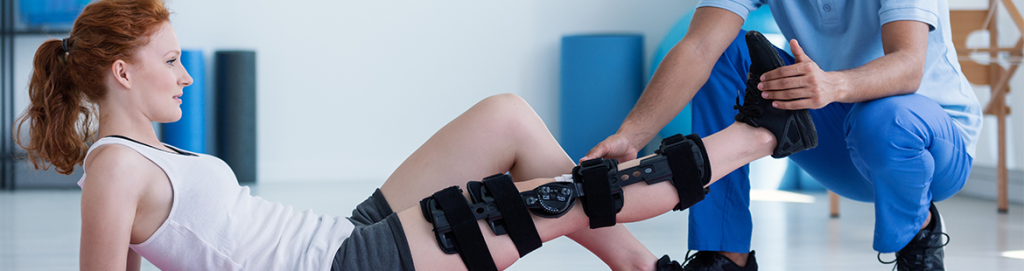
Orthopedic surgery is often a crucial step toward relieving pain, restoring function, and improving quality of life. Whether you’ve undergone a joint replacement, ligament reconstruction, fracture repair, or another orthopedic procedure, surgery is only one part of the recovery journey. The real path to regaining strength, flexibility, and independence lies in a well-planned rehabilitation program.
Post-surgery orthopedic rehabilitation plays a vital role in helping patients recover safely and effectively. While every recovery journey is unique, understanding the rehabilitation process can help patients set realistic expectations and remain committed to their treatment plans. At First Point MD, comprehensive post-operative care focuses on supporting patients through every stage of recovery, helping them achieve the best possible outcomes.
For residents of Floral Park, having access to personalized rehabilitation guidance can make a significant difference in restoring mobility and returning to everyday activities with confidence.
Understanding Orthopedic Rehabilitation
Orthopedic rehabilitation is a structured recovery program designed to help patients regain movement, strength, and function following surgery or injury. The rehabilitation process combines medical supervision, physical therapy, exercise, and patient education to promote healing and prevent complications.
The primary goals of orthopedic rehabilitation include:
- Reducing pain and inflammation
- Restoring joint mobility
- Improving muscle strength
- Enhancing flexibility
- Preventing stiffness
- Improving balance and coordination
- Supporting a safe return to daily activities
A successful rehabilitation program is tailored to the specific procedure performed and the individual needs of each patient.
Why Rehabilitation Is Essential After Orthopedic Surgery
Many patients assume that surgery alone will solve their mobility issues. However, surgery often creates temporary weakness, swelling, and limited movement that must be addressed during recovery.
Without proper rehabilitation, patients may experience:
- Joint stiffness
- Muscle weakness
- Reduced range of motion
- Delayed healing
- Chronic pain
- Increased risk of re-injury
Rehabilitation helps ensure that the body heals correctly while gradually rebuilding strength and function.
The commitment patients make to their recovery plan often has a direct impact on long-term surgical success.
The Different Phases of Post-Surgery Recovery
Orthopedic rehabilitation is typically divided into several stages, each with specific goals and milestones.
Phase One: Immediate Post-Operative Recovery
The first few days following surgery focus on protecting the surgical site and managing discomfort.
During this stage, healthcare providers prioritize:
- Pain management
- Swelling reduction
- Wound care
- Blood circulation improvement
- Safe movement techniques
Patients may begin simple exercises shortly after surgery to prevent complications such as blood clots and muscle atrophy.
Although activity is limited during this phase, early movement often plays a crucial role in recovery.
Phase Two: Restoring Mobility
As healing progresses, the focus shifts toward restoring movement and flexibility.
Patients may work on:
- Gentle stretching exercises
- Range-of-motion activities
- Joint mobilization techniques
- Controlled weight-bearing exercises
This phase is especially important following procedures involving the knee, hip, shoulder, or ankle, where stiffness can develop quickly.
The goal is to regain normal movement patterns while protecting healing tissues.
Phase Three: Building Strength
Once mobility improves, strengthening exercises become a larger part of rehabilitation.
These exercises help rebuild muscles that may have weakened before surgery or during the recovery period.
Common strengthening activities include:
- Resistance exercises
- Balance training
- Core stabilization
- Functional movement exercises
Improved muscle strength helps support joints and reduces the risk of future injuries.
Phase Four: Returning to Daily Activities
As recovery continues, rehabilitation focuses on helping patients resume normal activities.
Depending on the procedure, patients may gradually return to:
- Walking independently
- Driving
- Household tasks
- Recreational activities
- Work-related responsibilities
Healthcare providers monitor progress carefully to ensure patients are advancing safely.
Phase Five: Long-Term Maintenance
Even after formal rehabilitation ends, maintaining mobility remains important.
Patients are often encouraged to continue:
- Regular exercise
- Strength training
- Flexibility routines
- Healthy lifestyle habits
Long-term maintenance helps preserve surgical outcomes and supports ongoing joint health.
Common Orthopedic Surgeries That Require Rehabilitation
Many orthopedic procedures benefit from structured rehabilitation programs.
Joint Replacement Surgery
Joint replacement procedures, particularly involving the hip and knee, often require extensive rehabilitation.
Recovery goals include:
- Improving walking ability
- Restoring joint movement
- Building muscle strength
- Preventing complications
Rotator Cuff Repair
Shoulder surgeries often require careful rehabilitation to restore mobility while protecting repaired tissues.
Recovery may involve gradual progression from passive movements to active strengthening exercises.
ACL Reconstruction
Anterior cruciate ligament reconstruction commonly requires several months of rehabilitation.
The program focuses on:
- Knee stability
- Muscle strengthening
- Balance training
- Return-to-sport preparation
Fracture Repair
Following fracture surgery, rehabilitation helps restore movement and function while promoting proper healing.
Patients may need progressive weight-bearing exercises and targeted strengthening programs.
Managing Pain During Rehabilitation
Pain management is an important aspect of post-surgical recovery.
While some discomfort is expected, rehabilitation should not involve severe or worsening pain.
Strategies that may help include:
- Following prescribed medication instructions
- Applying ice when recommended
- Practicing proper exercise techniques
- Getting adequate rest
- Communicating concerns to healthcare providers
Patients should always report unusual symptoms or significant increases in pain.
The Importance of Physical Therapy
Physical therapy is often the foundation of orthopedic rehabilitation.
Licensed physical therapists develop customized treatment plans designed to address specific surgical procedures and recovery goals.
Physical therapy may include:
- Therapeutic exercises
- Stretching routines
- Manual therapy techniques
- Gait training
- Balance exercises
- Functional movement training
Regular therapy sessions help ensure patients progress safely and efficiently.
Therapists also provide valuable education regarding posture, movement patterns, and injury prevention.
Setting Realistic Recovery Expectations
Every patient heals at a different pace. Recovery timelines depend on multiple factors, including:
- Type of surgery
- Age
- Overall health
- Physical condition before surgery
- Commitment to rehabilitation
- Presence of chronic medical conditions
Some patients may recover within a few weeks, while others require several months of rehabilitation.
Setting realistic expectations helps reduce frustration and encourages consistent participation in recovery activities.
Progress is often gradual, but each milestone contributes to long-term success.
Nutrition and Recovery
Proper nutrition supports tissue healing and overall recovery.
Key nutritional considerations include:
Protein
Protein helps repair damaged tissues and supports muscle rebuilding.
Sources include:
- Lean meats
- Fish
- Eggs
- Dairy products
- Legumes
Vitamins and Minerals
Nutrients such as vitamin C, vitamin D, calcium, and zinc play important roles in healing and bone health.
Hydration
Adequate hydration supports circulation and helps the body function efficiently during recovery.
A balanced diet can significantly influence rehabilitation outcomes and overall wellness.
Preventing Complications During Recovery
Following post-operative instructions carefully can help minimize complications.
Patients should pay attention to:
- Incision care
- Medication schedules
- Activity restrictions
- Follow-up appointments
- Exercise recommendations
Potential complications may include:
- Infection
- Blood clots
- Joint stiffness
- Delayed healing
- Re-injury
Early identification of problems allows healthcare providers to intervene quickly and effectively.
The Psychological Side of Recovery
Physical healing is only one aspect of rehabilitation. Emotional well-being also plays a critical role.
Patients may experience:
- Frustration
- Anxiety
- Impatience
- Fear of re-injury
Maintaining a positive outlook and focusing on gradual improvements can help support motivation throughout the recovery process.
Support from family members, friends, and healthcare professionals often contributes significantly to successful rehabilitation outcomes.
How First Point MD Supports Post-Surgery Recovery
At First Point MD, patient-centered care extends beyond the operating room. Comprehensive orthopedic rehabilitation support helps patients navigate every stage of recovery with confidence.
Healthcare providers work closely with patients to:
- Monitor healing progress
- Manage post-operative symptoms
- Coordinate rehabilitation plans
- Address mobility concerns
- Promote long-term joint health
By developing individualized recovery strategies, First Point MD helps patients achieve their rehabilitation goals while minimizing setbacks.
Tips for a Successful Orthopedic Rehabilitation Journey
Patients can improve their recovery experience by following several key recommendations:
- Attend all scheduled appointments.
- Follow exercise instructions consistently.
- Avoid rushing the recovery process.
- Communicate openly with healthcare providers.
- Stay physically active within approved limits.
- Focus on long-term progress rather than short-term setbacks.
- Maintain a healthy lifestyle.
Consistency and patience often produce the best outcomes.
Conclusion
The road to mobility after orthopedic surgery requires dedication, guidance, and a comprehensive rehabilitation plan. While surgery addresses the underlying problem, rehabilitation provides the tools necessary to restore strength, flexibility, and function.
From the immediate post-operative phase to long-term maintenance, each stage of recovery serves an important purpose. Through structured rehabilitation, patients can regain confidence in their movements, reduce pain, and return to the activities they enjoy.
For individuals recovering from orthopedic procedures in Floral Park, understanding the rehabilitation process is an essential step toward achieving lasting results. With personalized care, professional support, and a commitment to recovery, patients can successfully navigate their journey back to mobility and improved quality of life.