

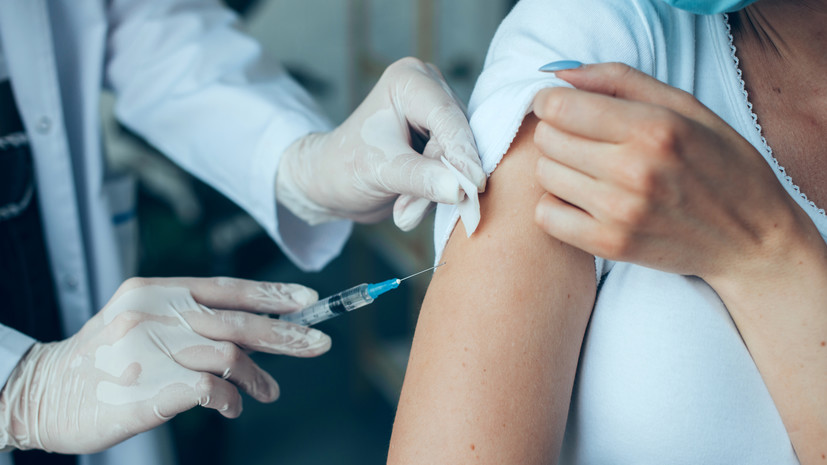
Vaccinations are one of the most effective tools in modern medicine for preventing serious illnesses and protecting public health. From childhood through adulthood, immunizations help safeguard individuals, families, and communities from dangerous diseases.
Your Primary Care provider plays a vital role in ensuring you receive the right vaccines at the right time, based on your age, health status, and lifestyle. In this article, we’ll explore why vaccinations are essential, how they fit into primary care, and which immunizations you may need throughout your life.
Why Vaccinations Matter
Vaccinations work by stimulating your immune system to recognize and fight specific diseases. They not only protect you but also help prevent the spread of illness to others—especially those who are too young, elderly, or medically unable to receive certain vaccines.
Key benefits include:
-
Disease prevention – Reducing your risk of contracting serious illnesses like measles, influenza, pneumonia, and more.
-
Lower healthcare costs – Preventing disease is far less costly than treating it.
-
Herd immunity – When enough people are vaccinated, the spread of contagious diseases is slowed or stopped.
-
Protection for vulnerable populations – Helps protect infants, the elderly, and those with compromised immune systems.
The Role of Primary Care in Immunization
Your Primary Care provider is your first point of contact for preventive healthcare, including vaccinations. They are responsible for:
-
Reviewing your vaccination history
-
Recommending age-appropriate immunizations
-
Administering vaccines safely
-
Educating you about potential side effects and benefits
-
Keeping your immunization record up-to-date
By incorporating vaccinations into routine care, primary care ensures you remain protected throughout your life.
Childhood Vaccinations
Children are especially vulnerable to infectious diseases, which is why the vaccination schedule starts at birth. Common childhood vaccines include:
-
Hepatitis B – Protects against liver infection caused by the hepatitis B virus
-
DTaP – Guards against diphtheria, tetanus, and pertussis (whooping cough)
-
MMR – Protects against measles, mumps, and rubella
-
Polio (IPV) – Prevents poliomyelitis, a potentially paralytic disease
-
Varicella – Shields against chickenpox
Primary care providers track each child’s immunization schedule to ensure timely protection.
Adolescent and Teen Vaccinations
As children grow into teens, additional vaccines help maintain protection:
-
HPV vaccine – Protects against human papillomavirus, which can lead to certain cancers
-
Meningococcal vaccine – Prevents meningitis and bloodstream infections
-
Tdap booster – Provides ongoing protection against tetanus, diphtheria, and pertussis
Your primary care team ensures these vaccines are given before increased exposure at school, college, or social activities.
Adult Vaccinations
Immunity can fade over time, and adults may face new health risks. Common adult vaccines include:
-
Flu shot (annual) – Reduces the risk of seasonal influenza and its complications
-
COVID-19 vaccine and boosters – Protects against severe illness from coronavirus
-
Tdap/Td booster – Recommended every 10 years for ongoing protection
-
Shingles vaccine – For adults 50 and older to prevent painful shingles outbreaks
-
Pneumococcal vaccine – Protects against pneumonia, especially for older adults or those with chronic conditions
Your Primary Care provider tailors your vaccination schedule to your age, medical history, and travel plans.
Vaccinations for Special Populations
Some people require special consideration when it comes to immunization:
-
Pregnant women – Certain vaccines protect both mother and baby, such as Tdap during each pregnancy
-
Travelers – Vaccines for diseases like yellow fever or typhoid may be needed before international trips
-
People with chronic illnesses – Conditions like diabetes, heart disease, or weakened immune systems may require additional vaccines
Primary care ensures these populations receive safe and effective immunization recommendations.
Addressing Vaccine Myths and Hesitancy
Misinformation has led some people to question the safety or necessity of vaccines. Primary care providers help address these concerns by:
-
Offering evidence-based information about vaccine safety
-
Explaining the risks of not vaccinating
-
Providing clear guidance on side effects and what to expect
-
Encouraging open discussions to build trust and understanding
The Importance of Keeping Records
An up-to-date immunization record helps you avoid unnecessary repeat vaccinations and ensures you meet health requirements for school, employment, or travel. Your Primary Care provider maintains your vaccine history and can provide official documentation when needed.
Final Thoughts
Vaccinations are one of the most effective ways to prevent disease and promote lifelong health. By working closely with your Primary Care provider, you can ensure you and your family stay protected at every stage of life.
Whether it’s a childhood vaccine, an annual flu shot, or a booster for adult immunity, each immunization plays a role in safeguarding your health and the health of your community.
Make vaccinations a priority—schedule your next appointment with your primary care provider and stay on track with your immunization schedule.