

Introduction to Headache Types
Headaches are incredibly common. Almost everyone experiences them at some point. However, not all headaches are the same. Two of the most frequently confused types are sinus infection vs migraine headaches.
At first glance, they can feel similar. Both may cause pressure in the head, facial pain, and discomfort. Yet, the root causes and treatments differ greatly. Understanding the difference can help you get the right treatment faster—and avoid unnecessary suffering.
Why It’s Important to Differentiate
Misidentifying your headache can lead to ineffective treatment. For instance, taking antibiotics for a migraine won’t help. Similarly, ignoring a sinus infection could make it worse.
Here’s why proper identification matters:
- Faster relief
- Accurate treatment
- Avoiding unnecessary medications
- Preventing complications
What is a Sinus Infection?
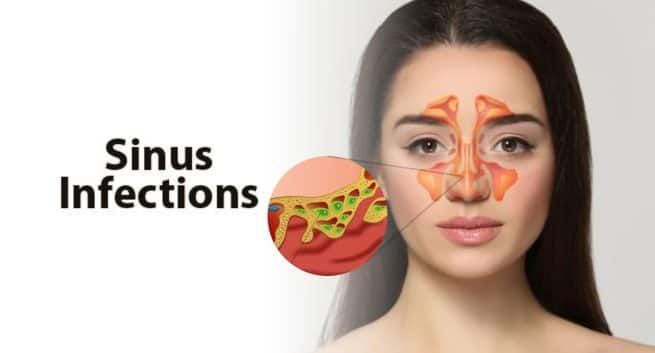
A sinus infection, also called sinusitis, occurs when the sinus cavities become inflamed or infected.
Causes of Sinus Infection
Sinus infections can be triggered by:
- Viral infections (like the common cold)
- Bacterial infections
- Allergies
- Nasal polyps
- Deviated septum
Common Symptoms of Sinus Infection
Symptoms typically include:
- Facial pressure (especially around eyes, cheeks, forehead)
- Thick nasal discharge (yellow or green)
- Congestion
- Reduced sense of smell
- Fever
- Tooth pain
- Headache that worsens when bending forward
What is a Migraine?
A migraine is a neurological condition that causes intense headaches, often accompanied by other symptoms.
Causes of Migraine
Migraines can be triggered by:
- Hormonal changes
- Stress
- Certain foods (like chocolate, caffeine)
- Lack of sleep
- Bright lights or loud sounds
Common Symptoms of Migraine
Typical migraine symptoms include:
- Throbbing or pulsating pain (usually one side of the head)
- Nausea or vomiting
- Sensitivity to light and sound
- Visual disturbances (aura)
- Fatigue
Key Differences Between Sinus Infection vs Migraine
Understanding the contrast between sinus infection vs migraine is essential for accurate diagnosis.Pain Location
| Condition | Pain Location |
|---|---|
| Sinus Infection | Face, forehead, around eyes |
| Migraine | Usually one side of head |
Duration of Symptoms
- Sinus infections may last days to weeks
- Migraines typically last 4–72 hours
Associated Symptoms
| Symptom | Sinus Infection | Migraine |
|---|---|---|
| Nasal discharge | Yes | No |
| Fever | Yes | No |
| Nausea | No | Yes |
| Light sensitivity | No | Yes |
Misdiagnosis: Why It Happens
Many people confuse migraines with sinus headaches. Studies show that a large number of self-diagnosed sinus headaches are actually migraines.
Why?
- Overlapping symptoms like facial pressure
- Lack of awareness
- Similar triggers (weather changes, stress)
When to See a Doctor
Seek medical help if:
- Headaches are severe or frequent
- Symptoms last more than 10 days
- You experience vision changes
- Fever is persistent
- Pain disrupts daily life
Diagnosis Methods
Doctors may use:
- Physical examination
- Medical history review
- Imaging tests (CT scan)
- Allergy testing
For migraines, diagnosis is usually based on symptoms rather than imaging.
Treatment Options for Sinus Infection
Treatment depends on the cause:
Medical Treatments
- Decongestants
- Antibiotics (if bacterial)
- Nasal sprays
- Pain relievers
Home Remedies
- Steam inhalation
- Warm compress
- Hydration
- Saline nasal rinse
Treatment Options for Migraine
Migraines require a different approach.
Medications
- Pain relievers (ibuprofen, acetaminophen)
- Triptans
- Anti-nausea drugs
Non-Medical Treatments
- Rest in a dark room
- Cold compress
- Relaxation techniques
Home Remedies and Prevention
Preventing headaches can be easier than treating them.
For Sinus Health
- Avoid allergens
- Use humidifiers
- Stay hydrated
For Migraine Prevention
- Maintain regular sleep schedule
- Avoid trigger foods
- Manage stress
Lifestyle Tips to Reduce Headaches
Simple changes can make a big difference:
- Exercise regularly
- Stay hydrated
- Limit screen time
- Practice mindfulness
- Eat balanced meals
FAQs About Sinus Infection vs Migraine
Can a sinus infection trigger a migraine?
Yes, sinus pressure can sometimes trigger migraine symptoms in sensitive individuals.
How can I tell if my headache is sinus or migraine?
Check for nasal symptoms. If you have congestion and discharge, it’s likely sinus-related. If you have nausea and light sensitivity, it’s probably a migraine.
Do migraines cause sinus pressure?
Yes, migraines can mimic sinus pressure, leading to confusion.
Can weather changes affect both conditions?
Absolutely. Weather changes can trigger both sinus infections and migraines.
Are sinus headaches common?
True sinus headaches are less common than migraines but often misdiagnosed.
What’s the fastest way to relieve migraine pain?
Resting in a dark room and taking prescribed medication usually helps quickly.
Conclusion
Understanding the difference between sinus infection vs migraine can save you time, pain, and unnecessary treatments. While both conditions may feel similar, their causes and solutions are quite different.
Pay attention to your symptoms. Look for patterns. And most importantly, don’t hesitate to seek professional help when needed.
With the right knowledge, you can take control of your health—and say goodbye to confusing headaches for good.