

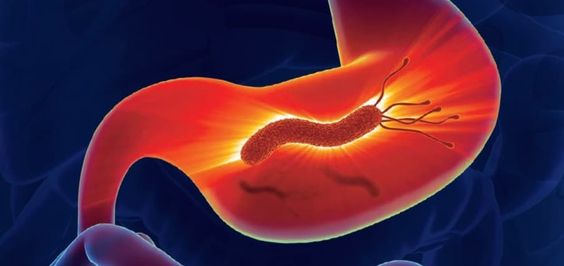
Peptic ulcers, particularly those of the stomach and duodenum, continue to be a major burden on digestive health globally. A leading culprit behind these ulcers is the bacterium Helicobacter pylori (H. pylori). Over the past few decades, the advent of antibiotic-based eradication therapy has transformed the prognosis of H. pylori–associated ulcers. In this article, First Point MD presents a deep dive into how these antibiotics function, which regimens are favored, the challenges we face (such as resistance), and the future of treatment strategies in eradicating ulcers caused by H. pylori.
Understanding H. pylori and Its Role in Ulcer Formation
H. pylori is a spiral-shaped, gram-negative bacterium adapted to survive in the harsh acidic environment of the stomach. Its pathogenic potential lies in its capacity to:
-
Secrete urease, which neutralizes stomach acid locally by converting urea into ammonia and carbon dioxide
-
Disrupt the gastric mucosal barrier
-
Stimulate chronic gastric inflammation
-
Interact with host immune responses, causing damage and ulceration of the mucosa
Chronic H. pylori infection is strongly associated with peptic ulcer disease (PUD)—both gastric ulcers and duodenal ulcers. Without treatment, infection often persists and ulcers may relapse over time.
Eradication of H. pylori is now recognized as a cornerstone in ulcer therapy. When successful, it not only heals existing ulcer lesions but also dramatically lowers the risk of recurrence.
Why Antibiotics Are Fundamental in Treating H. pylori–Induced Ulcers
Antibiotics, in combination with acid suppression therapy, target the root cause—the infection itself. Their role includes:
-
Eradicating the bacterial population so that the ulcerated tissues can heal unimpeded by ongoing inflammation or bacterial aggression
-
Preventing relapse by eliminating residual organisms that would otherwise repopulate gastric mucosa
-
Reducing complications, such as bleeding, perforation, or progression to gastric cancer, by removing the pro-carcinogenic stimulus of chronic infection
Because H. pylori resides in a complex niche within gastric mucus and beneath the epithelial surface, multiple antibiotics are used in combination therapy to increase eradication success, reduce resistance development, and reach bacteria in different microenvironments.
Concurrently, proton pump inhibitors (PPIs) or other acid suppressants are given so that the gastric environment becomes less hostile to healing and more favorable to antibiotic activity.
First-Line Antibiotic Regimens for H. pylori Eradication
Over years of clinical research and guideline updates, several antibiotic-based regimens have been established. Choices depend on regional antibiotic resistance patterns, prior antibiotic exposure, patient tolerance, and comorbidities.
Triple Therapy (PPI + Two Antibiotics)
This has been the classical first-line choice for many years:
-
A proton pump inhibitor (PPI) (e.g., omeprazole, esomeprazole, lansoprazole)
-
Amoxicillin
-
Clarithromycin (or in some cases metronidazole)
A 7- to 14-day course is standard. Studies show that the efficacy of triple therapy has declined in many settings due to rising clarithromycin resistance.
In areas where clarithromycin resistance exceeds 15–20%, guidelines recommend avoiding this regimen unless antibiotic sensitivity testing is available.
This regimen is increasingly used as a preferred first-line therapy where resistance concerns are significant:
-
PPI
-
Bismuth subsalicylate or bismuth salts
-
Tetracycline
-
Metronidazole
Typically administered for 10 to 14 days. Studies suggest this quadruple regimen can reach eradication rates exceeding 90 % in many populations.
Bismuth compounds have a dual role: they help coat and protect the gastric mucosa, and they exert antimicrobial effects (inhibiting H. pylori enzymes and interfering with bacterial adhesion).
Non-Bismuth Concomitant / Sequential / Hybrid Regimens
-
Concomitant therapy: PPI + amoxicillin + clarithromycin + metronidazole given all together for 10–14 days
-
Sequential therapy: First 5 days with PPI + amoxicillin, followed by 5 days of PPI + clarithromycin + metronidazole
-
Hybrid therapy: A blend of sequential and concomitant approaches
These regimens aim to overcome partial resistance by intensifying coverage across different phases of therapy. Their success varies by region and resistance patterns.
Rescue and Salvage Therapy
If first-line therapy fails, clinicians may turn to:
-
Levofloxacin-based regimens
-
Rifabutin-based triple therapy (e.g. Talicia®: rifabutin + amoxicillin + omeprazole)
-
High-dose dual therapy (PPI + amoxicillin) in selected cases
-
Culture-guided or molecular resistance–guided therapy, depending on resources
Challenges and Pitfalls: Antibiotic Resistance, Compliance, and Side Effects
Rising Antibiotic Resistance
One of the primary obstacles in H. pylori eradication is the increase in resistance to key antibiotics — especially clarithromycin, metronidazole, and in some regions amoxicillin.
When dual resistances (to clarithromycin and metronidazole) are present, standard regimens may fail in more than 20 % of cases.
Patient Compliance
Eradication regimens are often complex, involving multiple pills multiple times per day, sometimes with food restrictions. Missed doses or incomplete courses reduce effectiveness and promote resistance.
Side Effects
These regimens can produce gastrointestinal discomfort, nausea, diarrhea, metallic taste, dark stools (from bismuth), and rarely more serious events. Side effects may lead to discontinuation if not managed properly.
Gastric Environment and Bacterial Load
High bacterial density and acidic gastric conditions can interfere with antibiotic penetration and efficacy. Optimizing the acid suppressive effect of PPIs is essential.
Lack of Sensitivity Testing in Many Settings
In many resource-limited settings, susceptibility testing is unavailable, forcing empirical therapy which may mismatch regional resistance trends.
Best Practices for Antibiotic Use in H. pylori Ulcer Treatment
To maximize success, the following strategies are recommended:
-
Use local antibiotic resistance data to guide empiric regimen choice
-
Favor bismuth-based quadruple therapy in regions with high clarithromycin resistance
-
Use 14-day courses rather than shorter durations when possible
-
Ensure adequate PPI dosing and timing to optimize gastric pH and antibiotic penetration
-
Monitor adherence rigorously and counsel patients about side effects
-
In cases of treatment failure, use rescue therapy guided by prior antibiotic exposure
-
Where available, consider culture or molecular sensitivity testing
The Healing Phase: Beyond Antibiotics
While antibiotics target H. pylori, adjunctive measures are essential for ulcer healing and symptom relief:
-
Proton Pump Inhibitors (PPIs): Maintain a less acidic gastric environment to support mucosal healing and increase antibiotic efficacy
-
Mucosal Protectants: Sucralfate, probiotics, and sometimes bismuth
-
Lifestyle Modifications: Avoidance of NSAIDs, cessation of smoking, limit alcohol, diet modifications
-
Follow-up Testing: Retesting for eradication ~4 to 8 weeks after therapy via urea breath test, stool antigen test, or endoscopy when warranted
Given the specter of antibiotic resistance, new frontiers are under investigation:
-
Novel antibiotics targeting H. pylori-specific pathways
-
Antimicrobial peptides (e.g. LL-37) with selectivity against H. pylori
-
Nanoparticle drug delivery systems to increase antibiotic retention in gastric mucus and reduce systemic exposure
-
Probiotic adjuvants, such as Limosilactobacillus reuteri, which may suppress H. pylori and reduce side effects when used alongside standard therapy
-
Personalized AI-guided therapy — matching antibiotic regimens to individual patient and bacterial profiles
Such innovations aim to increase eradication rates, reduce adverse events, and stay ahead of resistance trends.
Case Study Flow: From Diagnosis to Cure
-
Presentation: Patient with epigastric pain, dyspepsia, sometimes bleeding.
-
Testing for H. pylori: e.g., urea breath test, stool antigen, or biopsy-based tests.
-
Confirm ulcer diagnosis via endoscopy if indicated.
-
Select antibiotic regimen based on local resistance — e.g., bismuth quadruple 14-day therapy.
-
Adjunct therapy: PPI, lifestyle changes, protectants.
-
Patient counseling on adherence, side effect management.
-
Complete therapy.
-
Follow-up testing to confirm eradication.
-
If eradication fails, proceed to rescue therapy or guided therapy.
Conclusion: Maximizing the Role of Antibiotics in Ulcer Therapy
Successfully treating ulcers caused by H. pylori demands more than merely prescribing antibiotics. It requires:
-
Thoughtful regimen selection informed by resistance patterns
-
Strong patient compliance strategies
-
Adequate acid suppression
-
Continual monitoring and follow-up
-
Incorporation of emerging therapies when relevant
When executed properly, antibiotic-based eradication transforms ulcer management: it heals lesions, drastically lowers recurrence, and mitigates long-term complications.
At First Point MD, we are committed to leveraging the latest evidence-based protocols in gastric care. Through careful antibiotic stewardship, patient education, and adoption of future innovations, we aim to optimize outcomes for those suffering from H. pylori–associated ulcers.