
Introduction
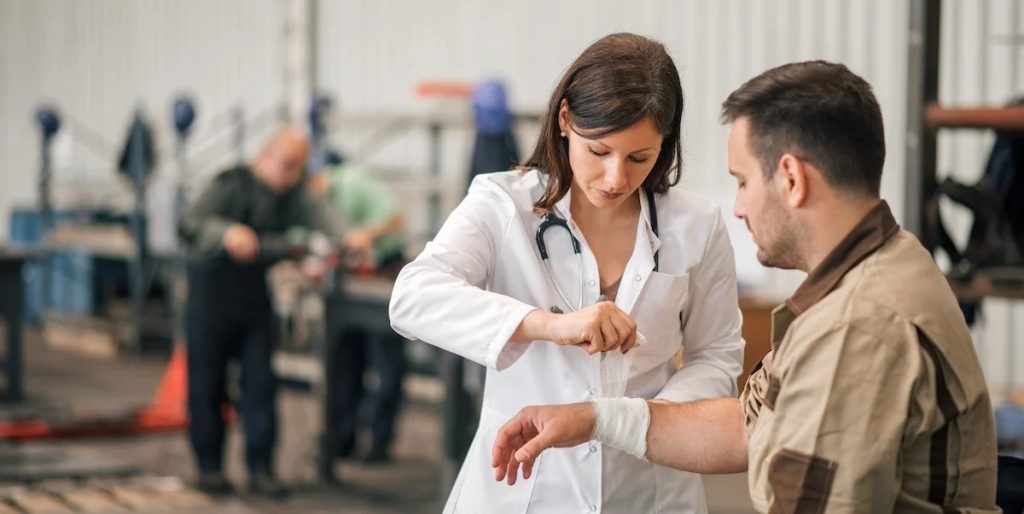
Workplace injuries are a significant concern for employers across industries, and fractures remain one of the leading causes of lost workdays worldwide. Whether occurring in construction, manufacturing, logistics, or even office environments, fractures can disrupt operations, reduce productivity, and increase healthcare costs.
The good news? Many of these injuries are preventable. By implementing proactive occupational health programs, organizations can significantly reduce the risk of fractures and ensure faster recovery when injuries do occur.
At First Point MD, the focus is on preventive care, early intervention, and comprehensive rehabilitation strategies that help businesses maintain a healthy and productive workforce. This article explores how proactive occupational health programs can reduce lost workdays and promote long-term employee well-being.
Understanding Workplace Fractures
What Are Workplace Fractures?
A fracture refers to a break in a bone caused by trauma, stress, or overuse. In workplace settings, fractures often result from accidents such as falls, heavy object impacts, or repetitive strain.
Common Types of Workplace Fractures
- Simple fractures: Clean breaks without skin penetration
- Compound fractures: Breaks where the bone pierces the skin
- Stress fractures: Small cracks caused by repetitive force
- Compression fractures: Often affecting the spine due to pressure
Each type requires a different approach to treatment and rehabilitation.
The Impact of Fractures on Businesses
Fractures don’t just affect employees—they impact entire organizations.
Increased Lost Workdays
Employees with fractures may need weeks or even months to recover, leading to prolonged absences.
Reduced Productivity
Even after returning, employees may not perform at full capacity due to lingering discomfort or limited mobility.
Higher Healthcare Costs
Medical treatment, rehabilitation, and compensation claims can significantly increase expenses.
Workplace Disruptions
Replacing injured workers or redistributing tasks can strain team dynamics and workflow.
Root Causes of Workplace Fractures
Understanding the causes is essential for prevention.
Slips, Trips, and Falls
These are among the most common causes, often due to wet floors, uneven surfaces, or poor lighting.
Improper Handling of Equipment
Lifting heavy objects incorrectly or using machinery without proper training can lead to serious injuries.
Lack of Safety Training
Employees unaware of safety protocols are more likely to engage in risky behaviors.
Fatigue and Overexertion
Tired workers are less alert and more prone to accidents.
Poor Workplace Ergonomics
Improper workstation setups can contribute to stress injuries and increase fracture risk over time.
What Are Proactive Occupational Health Programs?
Proactive occupational health programs focus on preventing injuries rather than reacting to them.
Key Components Include:
- Risk assessment and hazard identification
- Employee health screenings
- Safety training and education
- Early intervention and treatment
- Return-to-work programs
These programs create a culture of safety and accountability within organizations.
Strategies to Reduce Fractures and Lost Workdays
Workplace Risk Assessments
Regular inspections help identify potential hazards before they cause injuries.
Best Practices:
- Conduct routine safety audits
- Address hazards immediately
- Involve employees in reporting risks
Employee Safety Training
Training is a cornerstone of injury prevention.
Focus Areas:
- Proper lifting techniques
- Equipment usage
- Emergency response procedures
Well-trained employees are more confident and less likely to make mistakes.
Ergonomic Improvements
Ergonomics plays a critical role in preventing both acute and stress-related fractures.
Examples:
- Adjustable workstations
- Proper seating and posture support
- Tools designed to reduce strain
Use of Personal Protective Equipment (PPE)
Providing and enforcing the use of PPE can significantly reduce injury risks.
Common PPE Includes:
- Helmets
- Safety boots
- Gloves
- Protective eyewear
Promoting a Safety-First Culture
A strong safety culture encourages employees to prioritize their well-being.
How to Build It:
- Encourage open communication
- Reward safe behavior
- Lead by example
Early Intervention and Medical Support
Even with preventive measures, injuries can still occur. Early intervention is crucial.
Immediate Medical Attention
Prompt treatment reduces complications and speeds up recovery.
On-Site Health Services
Having access to medical professionals ensures quick response times.
Collaboration with Healthcare Providers
Partnering with providers like First Point MD ensures employees receive expert care tailored to workplace injuries.
Rehabilitation and Return-to-Work Programs
Effective rehabilitation is key to reducing lost workdays.
Customized Rehabilitation Plans
Each injury is unique, requiring personalized treatment strategies.
Gradual Return-to-Work
Employees should return in phases to avoid re-injury.
Examples:
- Light-duty assignments
- Reduced hours initially
- Task modifications
Physical Therapy
Physical therapy helps restore strength, mobility, and confidence.
Monitoring Progress
Regular follow-ups ensure recovery is on track and adjustments are made as needed.
The Role of Technology in Injury Prevention
Modern technology is transforming workplace safety.
Wearable Devices
Track movement, fatigue levels, and posture.
Safety Management Software
Helps monitor incidents and track compliance.
Automation
Reduces the need for manual labor in high-risk tasks.
Benefits of Proactive Occupational Health Programs
Implementing these programs offers numerous advantages:
- Reduced injury rates
- Lower absenteeism
- Improved employee morale
- Enhanced productivity
- Cost savings
A healthier workforce leads to a stronger, more resilient organization.
Long-Term Prevention Strategies
Continuous Training
Safety education should be ongoing, not a one-time effort.
Regular Health Screenings
Identify underlying conditions that may increase injury risk.
Encouraging Healthy Lifestyles
Promote fitness, nutrition, and mental well-being.
Data-Driven Decision Making
Analyze injury trends to improve safety measures.
Why Choose First Point MD?
First Point MD specializes in occupational health services that focus on prevention, treatment, and recovery.
Key Offerings:
- Comprehensive injury management
- Advanced diagnostic tools
- Personalized rehabilitation programs
- Workplace health consultations
Their expert team works closely with employers to reduce workplace injuries and support long-term employee health.
Conclusion
Reducing lost workdays due to fractures requires a proactive, well-structured approach. By investing in occupational health programs, businesses can prevent injuries, improve recovery outcomes, and maintain productivity.
From safety training and ergonomic improvements to early intervention and rehabilitation, every step plays a crucial role in protecting employees and minimizing downtime.
Partnering with trusted healthcare providers like First Point MD ensures that organizations are equipped with the expertise and resources needed to create safer workplaces.
Ultimately, prioritizing employee health isn’t just good practice—it’s a smart business strategy that leads to sustainable success.