

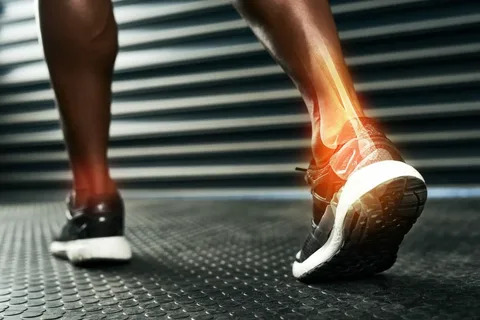
Introduction: Why Early Detection Matters in the Workplace
Recognizing hairline and stress fractures in employees before complications develop is more than just good healthcare—it’s smart workplace management. When minor bone injuries go unnoticed, they can progress into severe fractures, prolonged disability, and costly medical leave. In high-demand work environments, especially those requiring repetitive motion or physical strain, early identification is crucial.
At First Point MD, medical professionals emphasize preventive care. The earlier a fracture is detected, the faster recovery begins. And let’s be honest—nobody wants a small ache to turn into a major setback.
Understanding Hairline and Stress Fractures
What Is a Hairline Fracture?
A hairline fracture is a tiny crack in a bone. It’s often caused by repetitive stress rather than sudden trauma. These fractures are subtle and may not appear immediately on standard X-rays.
What Is a Stress Fracture?
A stress fracture is a small crack that develops from overuse or repetitive force. It commonly affects weight-bearing bones such as the tibia or metatarsals. Workers who stand long hours or lift heavy objects are particularly at risk.
Both injuries can seem minor at first. However, recognizing hairline and stress fractures in employees before complications develop can prevent long-term damage.
Persistent Localized Pain After Activity
One of the earliest and most overlooked signs is localized pain that appears after work activity.
Employees might say:
-
“It only hurts after my shift.”
-
“The pain fades overnight but comes back the next day.”
That’s a red flag.
Pain That Doesn’t Go Away With Rest
If pain persists even after adequate rest, it’s time for evaluation. Stress fractures worsen when ignored. Recognizing hairline and stress fractures in employees before complications develop begins with listening carefully to these complaints.
Swelling and Tenderness in Specific Areas
Swelling may be mild but noticeable.
Common symptoms include:
-
Tenderness when pressing the area
-
Mild inflammation
-
Warmth over the affected bone
Common Sites in Employees
Certain occupations increase risk in:
-
Feet (warehouse workers)
-
Lower legs (nurses, retail workers)
-
Wrists (assembly line workers)
These areas endure repetitive pressure, increasing fracture risk.
Pain That Worsens Over Time
Unlike muscle soreness, stress fracture pain gradually intensifies.
Gradual Escalation of Symptoms
Initially:
-
Pain only during activity
Later:
-
Pain during routine tasks
Eventually:
-
Pain at rest
This pattern clearly signals the need for medical assessment.
Reduced Range of Motion
Employees may unconsciously limit movement to avoid pain. You might notice:
-
Stiffness
-
Difficulty bending joints
-
Guarded movements
Limited mobility indicates that the body is protecting an injured area.
Difficulty Bearing Weight
If an employee struggles to stand or walk normally, it’s serious.
Weight-bearing bones are especially vulnerable. Ignoring this symptom can lead to complete fractures requiring surgery.
Subtle Changes in Posture or Gait
Here’s something many managers miss.
Employees may:
-
Limp slightly
-
Shift weight to one side
-
Change walking rhythm
These compensatory behaviors suggest discomfort. Early intervention prevents further damage.
Delayed Recovery From Minor Injuries
If a “simple bruise” takes weeks to heal, consider imaging tests. Slow recovery often indicates deeper structural damage.
Recognizing hairline and stress fractures in employees before complications develop means not dismissing persistent symptoms as “just soreness.”
Diagnostic Methods for Early Detection
Physical Examination
Physicians assess:
-
Tenderness
-
Swelling
-
Functional limitations
Imaging Tests
| Test | Purpose | Effectiveness |
|---|---|---|
| X-ray | Detect visible fractures | May miss early stress fractures |
| MRI | Detect soft tissue & early bone stress | Highly accurate |
| Bone Scan | Identify increased bone activity | Useful in unclear cases |
MRI is particularly helpful when X-rays appear normal.
Workplace Risk Factors for Stress Fractures
Repetitive Motion Jobs
Jobs involving repeated lifting or walking increase bone fatigue.
Physically Demanding Roles
Healthcare workers, factory employees, and construction workers are at higher risk.
Fatigue, improper footwear, and inadequate rest worsen vulnerability.
Prevention Strategies Employers Should Implement
Ergonomic Assessments
Proper workstation setup reduces stress on bones.
Scheduled Health Checkups
Partnering with occupational health providers ensures early screening.
Employers can:
-
Encourage reporting pain
-
Provide rest breaks
-
Rotate tasks
A proactive approach pays off in reduced absenteeism.
When Employees Should Seek Medical Care
Immediate evaluation is necessary if:
-
Pain persists beyond one week
-
Swelling increases
-
Walking becomes difficult
-
Pain occurs at rest
Early diagnosis shortens recovery time significantly.
FAQs
What is the difference between a hairline and stress fracture?
A hairline fracture is a small crack; a stress fracture develops from repetitive force. Both are minor but serious if untreated.
Can stress fractures heal without treatment?
They may heal with rest, but medical supervision ensures proper recovery and prevents complications.
How long does recovery take?
Most cases heal within 6–8 weeks with proper care.
Are certain employees more at risk?
Yes. Workers in physically demanding jobs face higher risk.
Can stress fractures be prevented?
Absolutely. Ergonomics, rest breaks, and supportive footwear help significantly.
Why are stress fractures often missed?
Early symptoms resemble muscle soreness. Imaging tests may be required for confirmation.
Conclusion: Protecting Workforce Health Before Complications Arise
Recognizing hairline and stress fractures in employees before complications develop isn’t optional—it’s essential. Early detection prevents serious injury, reduces downtime, and supports a healthier workforce.
At First Point MD, patient-centered care and proactive health management ensure employees stay strong, safe, and productive. Don’t wait for a small crack to become a major break. Early action makes all the difference.