
Introduction
Overuse injuries are one of the most common challenges faced by athletes and active individuals. Unlike acute injuries that happen suddenly, these injuries develop gradually due to repetitive stress on muscles, tendons, and joints. If left untreated, they can lead to long-term damage and significantly impact performance and quality of life.
At First Point MD, the focus is on helping patients recover effectively while ensuring long-term joint health. Understanding proper rehabilitation strategies is key to preventing recurring injuries and maintaining an active lifestyle.
This article explores the causes, symptoms, and most effective rehabilitation strategies for overuse injuries, offering practical guidance for athletes and individuals alike.
What Are Overuse Injuries?
Overuse injuries occur when repetitive motion places continuous stress on a specific part of the body without allowing enough time for recovery. Over time, this leads to inflammation, tissue damage, and pain.
Common Types of Overuse Injuries
Some of the most frequently seen overuse injuries include:
- Tendinitis (inflammation of tendons)
- Stress fractures
- Shin splints
- Tennis elbow
- Runner’s knee
- Rotator cuff injuries
These conditions often affect athletes involved in sports like running, tennis, swimming, and weightlifting.
Causes of Overuse Injuries
Understanding the root causes is essential for both treatment and prevention.
Repetitive Motion
Performing the same movement repeatedly—such as running or swinging a racket—can strain muscles and joints.
Poor Technique
Incorrect posture or improper form during exercise increases stress on specific body parts.
Lack of Rest and Recovery
Skipping rest days prevents the body from repairing micro-damage, leading to chronic injury.
Sudden Increase in Activity
Rapidly increasing workout intensity or duration can overwhelm the body.
Inadequate Equipment
Worn-out shoes or improper gear can contribute to poor alignment and added stress.
Symptoms to Watch For
Overuse injuries develop gradually, so recognizing early warning signs is crucial.
Common Symptoms Include:
- Persistent pain during or after activity
- Swelling or tenderness
- Reduced range of motion
- Weakness in the affected area
- Stiffness, especially after rest
Ignoring these symptoms can worsen the condition and prolong recovery time.
Diagnosis and Medical Evaluation
Proper diagnosis is the first step toward effective rehabilitation.
Clinical Assessment
Healthcare providers evaluate:
- Medical history
- Activity patterns
- Pain location and severity
Imaging Tests
Depending on the condition, doctors may recommend:
- X-rays
- MRI scans
- Ultrasound
These tools help identify tissue damage and rule out more serious conditions.
Rehabilitation Strategies for Overuse Injuries
Effective rehabilitation focuses on healing the injury while preventing recurrence.
Rest and Activity Modification
Rest is essential for recovery. However, complete inactivity is not always necessary.
- Reduce or stop the activity causing pain
- Switch to low-impact exercises like swimming or cycling
- Gradually reintroduce activity once pain subsides
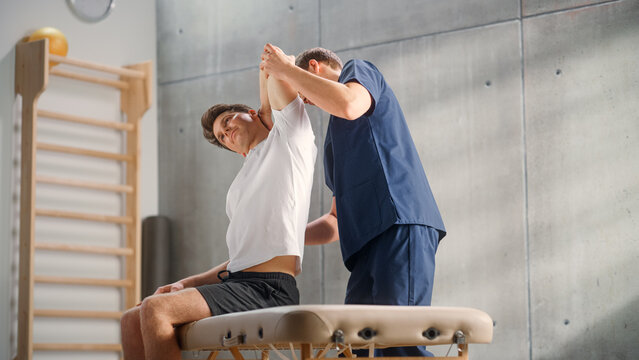
Physical Therapy
Physical therapy plays a central role in rehabilitation.
Key Benefits:
- Strengthens muscles around the joint
- Improves flexibility and mobility
- Corrects movement patterns
Therapists design personalized programs tailored to the patient’s needs.
Strength Training
Weak muscles often contribute to overuse injuries.
Focus Areas:
- Core stability
- Joint-supporting muscles
- Balanced muscle development
Strength training helps distribute stress evenly across the body.
Flexibility and Stretching
Tight muscles can increase the risk of injury.
- Incorporate dynamic stretching before exercise
- Use static stretching after workouts
- Practice yoga or mobility routines
Improved flexibility enhances joint function and reduces strain.
Pain Management Techniques
Managing pain effectively is important during recovery.
Common Methods:
- Ice therapy to reduce inflammation
- Heat therapy for muscle relaxation
- Over-the-counter pain relievers (as advised by a doctor)
These methods provide temporary relief while the body heals.
Biomechanical Correction
Improper movement patterns can lead to repeated injuries.
Examples Include:
- Gait analysis for runners
- Posture correction
- Technique improvement in sports
Addressing biomechanics ensures long-term joint health.
Gradual Return to Activity
Returning too quickly can cause re-injury.
Guidelines:
- Follow a structured rehabilitation plan
- Increase intensity gradually
- Monitor for recurring symptoms
Patience is key to a full recovery.
Advanced Medical Treatments
In some cases, additional medical interventions may be necessary.
Corticosteroid Injections
These help reduce inflammation and pain in severe cases.
Platelet-Rich Plasma (PRP) Therapy
PRP uses the body’s healing properties to repair damaged tissues.
Surgical Intervention
Surgery is typically a last resort when conservative treatments fail.
Long-Term Joint Health Strategies
Preventing future injuries is just as important as treating existing ones.
Maintain a Balanced Training Routine
Avoid overloading one muscle group.
- Alternate between different types of exercises
- Include rest days in your schedule
Use Proper Equipment
Invest in quality gear that supports your activity.
- Replace worn-out shoes
- Use sport-specific equipment
Stay Hydrated and Maintain Nutrition
Proper nutrition supports muscle recovery and joint health.
- Consume protein for muscle repair
- Include anti-inflammatory foods
- Stay hydrated
Listen to Your Body
Pain is a signal that something isn’t right.
- Don’t ignore discomfort
- Adjust activity levels as needed
Regular Medical Checkups
Routine evaluations help detect potential issues early and keep your body in optimal condition.
The Role of Professional Care
Seeking professional medical care ensures accurate diagnosis and effective treatment.
At First Point MD, experienced healthcare providers offer:
- Personalized rehabilitation programs
- Advanced diagnostic tools
- Comprehensive care for long-term recovery
Professional guidance significantly improves recovery outcomes and reduces the risk of recurrence.
Conclusion
Overuse injuries may develop slowly, but their impact can be long-lasting if not addressed properly. The good news is that with the right rehabilitation strategies, recovery is not only possible—it can lead to stronger, healthier joints.
By combining rest, physical therapy, strength training, and professional medical care, individuals can return to their activities with confidence. Long-term joint health depends on consistency, proper technique, and listening to your body.
Whether you’re an athlete or simply someone who enjoys staying active, taking proactive steps today can prevent chronic issues in the future. With expert support from First Point MD, achieving optimal recovery and maintaining joint health becomes a realistic and sustainable goal.