

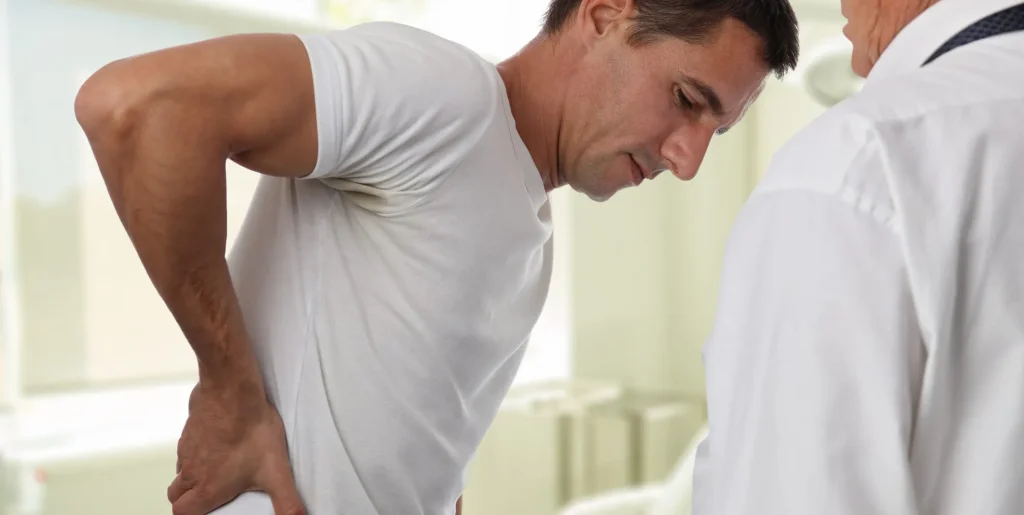
Joint pain and stiffness can be some of the most frustrating aspects of aging. Whether it’s knee discomfort when climbing stairs, aching hips after walking, or persistent joint swelling, these symptoms can limit daily activities and reduce overall quality of life. While surgery is sometimes necessary, many aging patients benefit significantly from non-surgical pain management and conservative care for joint issues—approaches focused on alleviating pain, increasing function, and supporting long-term joint health without invasive procedures.
At First Point MD, our goal is to guide aging adults toward optimal joint wellness using evidence-based, patient-centered care. This article explores conservative strategies, practical interventions, and clinical insights to help you understand your options and work with your healthcare team to find the best path forward.
Understanding Joint Pain in Aging Adults
Why Joints Hurt as We Age
Joint issues are common with aging for a few key reasons:
-
Wear and tear on cartilage: Over time, cartilage—the smooth tissue that cushions joints—can thin or break down.
-
Reduced synovial fluid: This fluid helps lubricate joints. Less lubrication can mean more friction and discomfort.
-
Muscle weakening: Surrounding muscles may get weaker with age, placing added stress on joints.
-
Inflammation: Chronic low-grade inflammation can contribute to pain and stiffness.
Conditions such as osteoarthritis, tendonitis, bursitis, and age-related degeneration are frequent culprits. But you are not alone—millions of adults experience joint discomfort and seek relief through conservative care.
The Philosophy Behind Conservative, Non-Surgical Care
Conservative care emphasizes symptom relief, functional improvement, and injury prevention without surgery. The goal isn’t just to reduce pain in the short term but to address underlying contributors and support long-term joint health.
This approach often includes combinations of:
-
Physical therapy
-
Medication management
-
Lifestyle modifications
-
Targeted injections when appropriate
-
Alternative therapies
These interventions provide powerful tools to help aging patients stay active, reduce pain, and potentially delay or prevent the need for surgery.
Physical Therapy: The Cornerstone of Conservative Care
Why Physical Therapy Matters
Physical therapy (PT) is one of the most effective non-surgical treatments for joint issues.
PT helps by:
-
Strengthening muscles around the joint
-
Improving flexibility
-
Enhancing balance and coordination
-
Reducing strain on damaged joint structures
For example, strong quadriceps and hip muscles can significantly reduce knee pain by improving joint alignment and shock absorption.
What Happens During Physical Therapy
A licensed physical therapist will tailor exercises to your needs. Typical elements include:
-
Warm-up and mobility drills
-
Strengthening exercises
-
Manual therapy (hands-on techniques)
-
Education on movement and posture
Over time, consistent PT improves stability, reduces pain, and enhances your ability to perform daily tasks like walking, rising from a chair, or climbing stairs.
Medications for Pain and Inflammation
Medications can be a valuable part of conservative care when used thoughtfully.
Common Non-Surgical Options
-
Non-steroidal anti-inflammatory drugs (NSAIDs): These reduce inflammation and pain. Over-the-counter options include ibuprofen and naproxen. Your doctor can recommend safe dosing, especially if you have other conditions like kidney issues or gastrointestinal sensitivities.
-
Acetaminophen: Helps reduce pain, though it doesn’t reduce inflammation.
-
Topical analgesics: Creams, gels, and patches applied directly to painful areas may provide targeted relief with fewer systemic side effects.
Safety and Guidance
Always talk with your clinician before starting medication — especially if you take other prescriptions, have chronic health issues, or require long-term use. Tailored guidance ensures safe, effective use.
Joint Injections: When Conservative Care Needs a Little Boost
While injections are more invasive than therapies like exercise and medication, they are still considered non-surgical and can provide significant relief.
Types of Injections
-
Corticosteroid injections: Reduce inflammation and pain in the joint.
-
Hyaluronic acid injections: Sometimes called “viscosupplementation,” these aim to improve lubrication in joints like the knee.
-
Platelet-rich plasma (PRP): Uses your own blood components to promote healing and reduce inflammation.
These options are typically recommended when pain limits participation in physical therapy or when conservative measures alone are insufficient.
Lifestyle and Everyday Strategies That Support Joint Health
Maintaining a Healthy Weight
Excess weight increases stress on joints—especially weight-bearing ones like knees and hips. Even modest weight loss can reduce pain and improve function.
Balanced Nutrition
Certain nutrients can support joint wellness:
-
Omega-3 fatty acids: Anti-inflammatory properties found in fish like salmon and sardines.
-
Antioxidants: Colorful fruits and vegetables deliver compounds that may help reduce chronic inflammation.
-
Vitamin D and calcium: Support bone health — especially important as we age.
A balanced diet promotes overall wellness and complements your conservative care plan.
Regular Movement and Exercise
Low-impact activities like walking, swimming, tai chi, and cycling help maintain mobility without stressing joints. Regular movement also supports weight management and cardiovascular health.
Alternative and Complementary Therapies
Many aging patients find relief through adjunct therapies such as:
-
Acupuncture: May help reduce pain and promote relaxation.
-
Massage therapy: Loosens tight muscles and improves circulation.
-
Heat and cold therapy: Applying heat can relax muscles; cold can reduce swelling.
Always discuss these options with your clinician to integrate them safely into your care plan.
Mind-Body Approaches and Pain Perception
Chronic joint pain isn’t just physical — it affects emotions, stress levels, and quality of life. Mind-body approaches like:
-
Mindfulness meditation
-
Breathing exercises
-
Yoga tailored for joint health
help manage pain perception and reduce stress, which can influence how pain is experienced.
When to Consider Surgical Evaluation
Conservative care is effective for many patients, but not all joint conditions can be managed without surgery. Signs it might be time to discuss surgical options include:
-
Persistent pain despite months of conservative care
-
Significant mobility loss
-
Joint instability or deformity
-
Severe impact on quality of life
Your clinician at First Point MD will help you weigh the benefits and risks and refer you to orthopedic specialists when appropriate.
Tailoring Treatment: A Personalized Approach
Every patient’s experience with joint pain is unique. Factors that influence your care plan include:
-
Your age and overall health
-
Severity and location of joint pain
-
Lifestyle and activity goals
-
Other medical conditions
At First Point MD, we prioritize individualized care plans that reflect your goals and lifestyle — ensuring you receive the most appropriate mix of treatments.
Preventing Further Joint Damage
Prevention is an essential part of long-term joint health. Simple strategies include:
-
Learning proper body mechanics
-
Using assistive devices when needed
-
Avoiding activities that overly strain joints
-
Prioritizing rest and recovery
These steps not only reduce pain but also protect joints from further deterioration.
Frequently Asked Questions (FAQs)
Can non-surgical care really help joint pain in older adults?
Absolutely. Many aging patients experience significant pain reduction and functional improvement without surgery when conservative approaches are applied consistently.
Is physical therapy painful?
Therapy may challenge muscles and movement patterns, but a skilled therapist will tailor exercises to your comfort level.
How long until I see results?
Results vary, but many patients notice improvement within weeks with consistent physical therapy and lifestyle changes.
Are injections safe for older adults?
When administered by trained clinicians, injections like corticosteroids and hyaluronic acid are generally safe and provide relief for many patients.
What activities should aging patients avoid?
High-impact activities that overstress joints (like long-distance running on hard surfaces) may worsen pain — but modified low-impact options often work well.
Can diet really affect joint pain?
While it’s not a cure, a balanced, anti-inflammatory diet supports overall health, reduces systemic inflammation, and can improve comfort.
Conclusion
Joint pain doesn’t have to define your later years. With a thoughtful, non-surgical pain management and conservative care approach, many aging patients experience meaningful relief, improved mobility, and greater confidence in daily life.
From physical therapy and medication management to lifestyle adjustments and complementary therapies, a personalized plan can support joint wellness and enhance quality of life — without the immediate need for surgery.
At First Point MD, our team works closely with patients to develop evidence-based, compassionate care plans tailored to your goals and needs. Whether you’re seeking relief, wanting to stay active, or aiming to prevent further joint issues, conservative care offers practical, effective strategies worth exploring.