

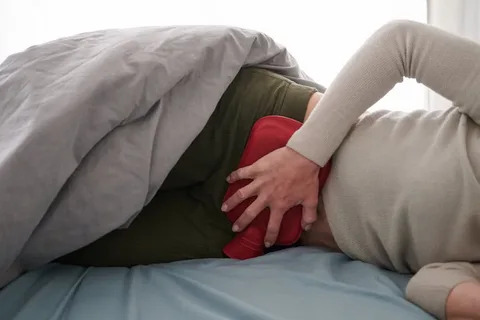
Chronic pelvic pain in women is a complex and often misunderstood condition that can significantly affect daily life. Fortunately, there are natural and medical approaches to managing chronic pelvic pain in women that offer hope, relief, and long-term wellness. By combining expert medical care with holistic lifestyle changes, women can regain control over their health and improve their quality of life.
Understanding Chronic Pelvic Pain in Women
What Is Chronic Pelvic Pain?
Chronic pelvic pain (CPP) refers to persistent pain in the lower abdomen or pelvic region lasting for six months or more. It’s not just a symptom—it’s often a condition in itself that requires careful evaluation and treatment.
This type of pain may be constant or intermittent and can range from mild discomfort to severe, debilitating pain. Many women describe it as a dull ache, sharp stabbing sensation, or pressure deep within the pelvis.
Common Causes and Risk Factors
Several underlying conditions can lead to chronic pelvic pain, including:
- Endometriosis
- Pelvic inflammatory disease (PID)
- Uterine fibroids
- Irritable bowel syndrome (IBS)
- Interstitial cystitis
- Musculoskeletal issues
Risk factors may include previous surgeries, infections, or hormonal imbalances.
Why Early Diagnosis Matters
Early diagnosis allows for timely intervention, preventing the condition from worsening. Ignoring symptoms can lead to complications, including emotional distress and reduced quality of life.
Symptoms and Warning Signs
Physical Symptoms
Women experiencing chronic pelvic pain may notice:
- Persistent lower abdominal pain
- Pain during menstruation or intercourse
- Difficulty urinating or bowel irregularities
- Lower back pain
Emotional and Psychological Impact
Chronic pain doesn’t just affect the body—it impacts mental health too. Anxiety, depression, and fatigue are common among women dealing with long-term pelvic pain.
Diagnosing Chronic Pelvic Pain
Medical History and Physical Exam
Doctors typically begin with a detailed medical history and physical examination. This helps identify patterns and potential triggers.
Imaging and Diagnostic Tests
Common diagnostic tools include:
- Ultrasound
- MRI scans
- Laparoscopy
- Blood tests
These tests help pinpoint the root cause and guide treatment decisions.
Natural Approaches to Managing Chronic Pelvic Pain
Natural therapies play a vital role in managing symptoms and supporting overall wellness.
Dietary Changes and Nutrition
A balanced diet can reduce inflammation and improve symptoms. Consider:
- Anti-inflammatory foods (leafy greens, berries, fatty fish)
- Reducing processed foods and sugar
- Staying hydrated
Herbal Remedies and Supplements
Some natural supplements may provide relief:
- Turmeric (anti-inflammatory properties)
- Magnesium (muscle relaxation)
- Omega-3 fatty acids
Always consult a healthcare provider before starting supplements.
Physical Therapy and Exercise
Pelvic floor therapy is especially beneficial. It helps strengthen muscles, improve flexibility, and reduce pain.
Recommended exercises include:
- Gentle yoga
- Stretching routines
- Core strengthening
Stress Management Techniques
Stress can worsen chronic pain. Effective strategies include:
- Meditation
- Deep breathing exercises
- Mindfulness practices
Medical Treatments for Chronic Pelvic Pain
While natural methods are helpful, medical treatments are often necessary for comprehensive care.
Medications
Doctors may prescribe:
- Pain relievers
- Hormonal treatments (birth control pills)
- Antidepressants for nerve-related pain
Minimally Invasive Procedures
Procedures like nerve blocks or laparoscopic treatments can target specific pain sources with minimal recovery time.
Surgical Options
In severe cases, surgery may be required to remove problematic tissue, such as endometrial growths or fibroids.
Integrative and Holistic Therapies
Combining traditional and alternative treatments can enhance results.
Acupuncture
This ancient technique stimulates specific points in the body to relieve pain and improve energy flow.
Chiropractic Care
Spinal alignment and posture correction can reduce pelvic pressure and discomfort.
Cognitive Behavioral Therapy (CBT)
CBT helps manage the emotional effects of chronic pain by changing thought patterns and coping strategies.
Lifestyle Modifications for Long-Term Relief
Sleep and Recovery
Quality sleep is essential for healing. Aim for 7–9 hours per night and maintain a consistent sleep schedule.
Daily Movement and Posture
Avoid prolonged sitting. Incorporate light movement throughout the day and maintain proper posture to reduce strain.
Preventive Measures and Self-Care
Regular Checkups
Routine visits to healthcare providers ensure early detection and management of potential issues.
Tracking Symptoms
Keeping a pain journal helps identify triggers and monitor progress.
FAQs
What is the most common cause of chronic pelvic pain in women?
Endometriosis is one of the leading causes, but other conditions like IBS and fibroids can also contribute.
Can chronic pelvic pain go away on its own?
In some cases, mild pain may improve, but persistent pain usually requires treatment.
Are natural remedies effective for chronic pelvic pain?
Yes, natural remedies can help manage symptoms, especially when combined with medical treatments.
When should I see a doctor?
If pain lasts longer than six months or interferes with daily life, it’s important to seek medical advice.
Can stress worsen pelvic pain?
Absolutely. Stress can increase muscle tension and inflammation, worsening symptoms.
Is surgery always necessary?
No, surgery is typically a last resort when other treatments fail.
Conclusion
Managing chronic pelvic pain requires a balanced approach that combines both natural and medical strategies. By understanding the condition and exploring various treatment options, women can take proactive steps toward relief and recovery.
The key lies in personalized care—what works for one person may not work for another. That’s why consulting experienced healthcare professionals and adopting a holistic lifestyle is essential.
With the right combination of treatments, support, and self-care, living a pain-free life and fulfilling life is entirely possible.