
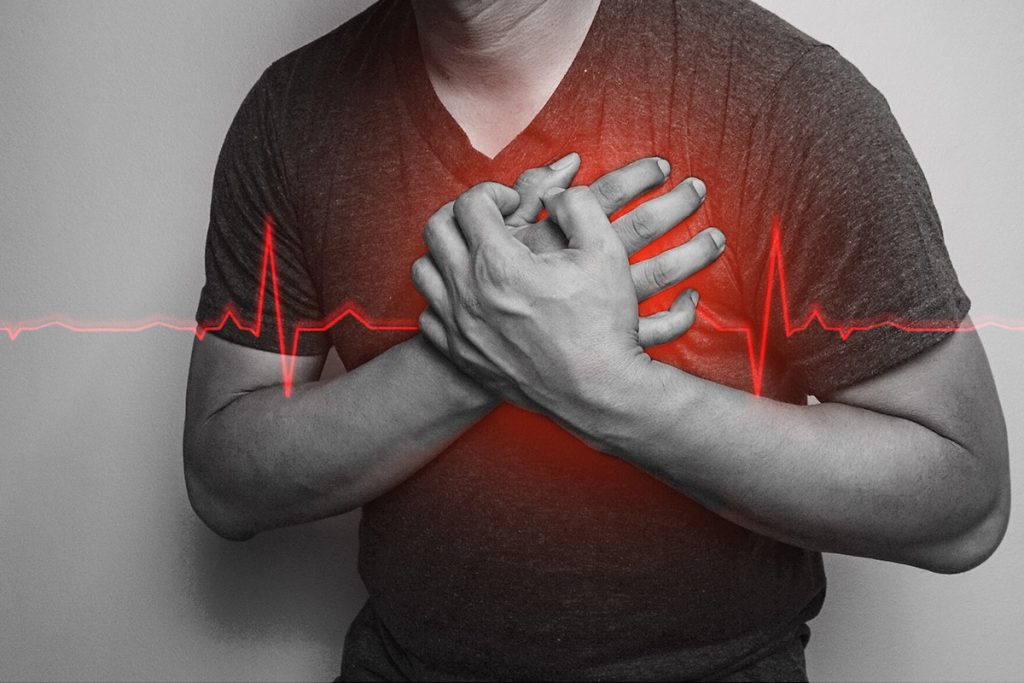
Chest pain is one of the most alarming symptoms a person can experience. It can feel tight, heavy, sharp, or burning—and sometimes it’s easy to dismiss. Maybe it’s just stress. Maybe heartburn. Maybe muscle strain. But in many cases, chest discomfort can signal something deeper: inflammation and heart disease working quietly in the background.
Today, medical research shows that chronic inflammation plays a major role in cardiovascular damage. It doesn’t just irritate tissues—it can harm blood vessels, narrow arteries, and set the stage for heart attacks or strokes. When chest pain appears, it may be the body’s early warning system.
Understanding how inflammation affects the heart—and when to seek care—can save lives. This guide explains the connection between inflammation and heart disease, the meaning behind chest pain, diagnosis options, treatment strategies, and prevention steps to protect long-term heart health.
What Is Inflammation?
Inflammation is the body’s natural defense system. When you get a cut or infection, inflammation helps your immune system fight off harm and heal tissue.
Short-term (acute) inflammation is helpful. You might notice:
-
Redness
-
Swelling
-
Warmth
-
Mild pain
These are normal signs of healing.
However, chronic inflammation is different. It lingers quietly for months or years. Instead of protecting you, it slowly damages tissues—including blood vessels and the heart.
Think of it like a small fire that never fully goes out. Over time, it weakens everything around it.
Understanding Heart Disease
Heart disease, also called cardiovascular disease, includes conditions that affect the heart and blood vessels.
Common types include:
-
Coronary artery disease
-
Heart attacks
-
Stroke
-
Heart failure
-
Peripheral artery disease
Most of these problems develop gradually. Plaque builds up inside arteries, narrowing blood flow to vital organs.
Inflammation plays a key role in this buildup.
How Inflammation and Heart Disease Are Connected
Doctors once believed cholesterol alone caused blocked arteries. Now we know inflammation is just as important.
Here’s how the process unfolds:
-
Blood vessel lining becomes irritated
-
Inflammatory cells collect in the area
-
Fat and cholesterol stick to the inflamed walls
-
Plaque forms and hardens
-
Arteries narrow or rupture
This chain reaction increases the risk of clots, heart attacks, and strokes.
So when we talk about inflammation and heart disease, we’re really talking about a silent process that damages arteries from the inside out.
Why Chest Pain Can Signal Cardiovascular Damage
Chest pain isn’t always heart-related, but it often is.
When heart muscles don’t get enough oxygen-rich blood, they send pain signals. This is called angina.
Inflammation can cause:
-
Narrowed arteries
-
Reduced blood flow
-
Spasms
-
Clot formation
All of these lead to discomfort or pressure in the chest.
Common descriptions of heart-related chest pain:
-
Tightness
-
Heaviness
-
Squeezing
-
Burning
-
Pressure
Some people describe it as “an elephant sitting on the chest.”
Pain may also spread to:
-
Left arm
-
Neck
-
Jaw
-
Back
-
Shoulders
These signs should never be ignored.
Types of Chest Pain to Recognize
Not all chest pain is identical. Understanding differences helps identify risk.
Stable Angina
Occurs during activity or stress and improves with rest.
Unstable Angina
Happens suddenly, even at rest—more dangerous.
Heart Attack Pain
Persistent, severe pain with sweating, nausea, or shortness of breath.
Non-Cardiac Pain
Often sharp or related to movement or digestion.
If you’re unsure, always seek medical care. It’s better to check than regret waiting.
Risk Factors That Increase Inflammation
Certain lifestyle and health conditions increase chronic inflammation.
Major contributors include:
-
Smoking
-
Obesity
-
Diabetes
-
High blood pressure
-
High cholesterol
-
Stress
-
Poor diet
-
Physical inactivity
-
Lack of sleep
These factors create the perfect environment for cardiovascular damage.
Reducing them significantly lowers risk.
Early Warning Signs Beyond Chest Pain
Sometimes heart disease doesn’t begin with dramatic pain. Symptoms may be subtle.
Watch for:
-
Fatigue
-
Shortness of breath
-
Dizziness
-
Irregular heartbeat
-
Indigestion-like discomfort
-
Cold sweats
-
Swelling in legs
Women especially may experience atypical symptoms.
Listening to your body is crucial.
Diagnosis: How Doctors Evaluate Inflammation and Heart Health
Medical providers use several tools to assess risk.
Physical Examination
Blood pressure, heart rate, and symptom review.
Blood Tests
Markers may include:
-
C-reactive protein (CRP)
-
Cholesterol levels
-
Blood sugar
High CRP often indicates inflammation.
Electrocardiogram (ECG)
Checks heart rhythm.
Stress Testing
Measures heart performance during activity.
Imaging
Echocardiograms or CT scans show structural changes.
Clinics like First Point MD emphasize early detection through routine screenings and personalized care plans.
Early diagnosis saves lives.
Treatment Approaches for Inflammation and Heart Disease
Treatment focuses on reducing both inflammation and cardiovascular strain.
Lifestyle Changes
Often the first and most powerful step.
Medications
Doctors may prescribe:
-
Anti-inflammatory therapies
-
Cholesterol-lowering drugs
-
Blood pressure medication
-
Blood thinners
Medical Procedures
In severe cases:
-
Angioplasty
-
Stents
-
Bypass surgery
Each plan is tailored to the individual.
Powerful Lifestyle Changes That Protect Your Heart
Small changes add up quickly.
Eat Anti-Inflammatory Foods
Choose:
-
Fruits and vegetables
-
Whole grains
-
Fish
-
Nuts
-
Olive oil
Avoid:
-
Processed foods
-
Sugary drinks
-
Fried items
Exercise Regularly
Aim for 30 minutes most days.
Quit Smoking
Smoking increases inflammation dramatically.
Manage Stress
Try meditation, breathing exercises, or hobbies.
Sleep Well
7–9 hours nightly helps regulate inflammation.
These habits can reduce risk by nearly half.
Prevention Starts With Routine Care
Preventive care matters just as much as treatment.
Schedule:
-
Annual checkups
-
Blood pressure checks
-
Cholesterol screening
-
Diabetes testing
Consistent monitoring catches problems early.
Primary care providers, including those at First Point MD, help patients develop realistic prevention strategies based on their health profile.
When to Seek Emergency Care
Call emergency services immediately if you experience:
-
Sudden chest pressure
-
Pain lasting more than a few minutes
-
Shortness of breath
-
Sweating
-
Fainting
-
Nausea
Minutes matter during a heart attack.
Never drive yourself—get help right away.
Long-Term Outlook
The encouraging news is that heart disease is largely preventable and manageable.
With:
-
Early detection
-
Healthy habits
-
Proper medication
-
Regular follow-up
Many people live long, active lives.
Inflammation can be reduced, and arteries can stay healthy with consistent care.
Frequently Asked Questions
Can inflammation really cause heart disease?
Yes. Chronic inflammation damages arteries and contributes to plaque buildup.
Is all chest pain related to the heart?
No, but heart-related pain should always be ruled out first.
What test shows inflammation levels?
C-reactive protein (CRP) blood tests often measure inflammation.
Can diet lower inflammation?
Absolutely. Whole, unprocessed foods help reduce inflammatory markers.
Who is most at risk?
People with diabetes, obesity, smoking habits, or high cholesterol.
How often should I get screened?
Most adults should have annual checkups or as advised by their provider.
Conclusion: Listen to Your Heart Before It Speaks Loudly
Chest pain is never something to ignore. While it might sometimes be harmless, it can also be the body’s early alarm for deeper problems tied to inflammation and heart disease.
By understanding the connection, recognizing warning signs, and committing to healthy habits, you take control of your cardiovascular future.
Your heart works every second of every day. Giving it the care it deserves today means fewer problems tomorrow. Regular medical guidance and preventive care from trusted providers like First Point MD can help you stay ahead of risk and live with confidence.
Protect your heart—it’s the only one you’ve got.