

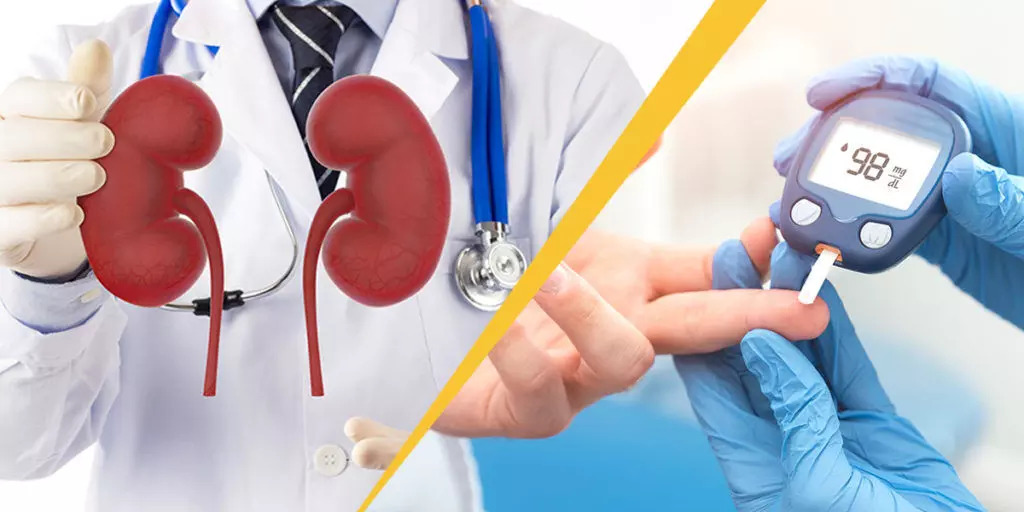
Introduction to Uncontrolled Type 2 Diabetes and Kidney Health
Uncontrolled Type 2 Diabetes is more than just elevated blood sugar. Over time, it silently affects vital organs, especially the kidneys. Many patients don’t realize that Uncontrolled Type 2 Diabetes gradually leads to Kidney Failure until significant damage has already occurred. That’s why understanding this connection is critical.
What Is Type 2 Diabetes?
Type 2 diabetes occurs when the body becomes resistant to insulin or doesn’t produce enough of it. As a result, glucose builds up in the bloodstream. When blood sugar remains high for years, complications develop. And unfortunately, the kidneys are among the first organs to suffer.
What Is Kidney Failure?
Kidney failure happens when the kidneys lose their ability to filter waste and excess fluids from the blood. In advanced cases, dialysis or kidney transplantation becomes necessary for survival.
The Link Between Blood Sugar and Kidney Damage
Your kidneys contain millions of tiny filters called nephrons. These filters clean the blood continuously. However, persistent high glucose levels caused by Uncontrolled Type 2 Diabetes damage these delicate structures. Over time, the filtering system weakens, leading to protein leakage into urine — an early sign of Diabetic Nephropathy.
At first, there may be no symptoms. That’s why doctors often call it a “silent disease.” Without proper management, the condition can progress to full Kidney Failure.
Understanding Diabetic Nephropathy: The Silent Threat
What Is Diabetic Nephropathy?
Diabetic Nephropathy is kidney damage caused specifically by diabetes. It develops slowly, often over 10 to 20 years. When Uncontrolled Type 2 Diabetes persists, high blood sugar thickens and scars kidney blood vessels, reducing their ability to function properly.
How High Blood Sugar Damages Kidney Filters
Chronically high glucose levels cause:
-
Increased pressure inside kidney filters
-
Thickening of filtering membranes
-
Inflammation and scarring
-
Protein leakage (albuminuria)
Over time, these changes reduce the kidneys’ filtering capacity. As damage progresses, toxins accumulate in the bloodstream.
Stages of Diabetic Kidney Disease
Stage 1–2: Early Changes
Kidney function appears normal, but damage begins at a microscopic level. Small amounts of protein may appear in urine.
Stage 3: Moderate Damage
Filtering capacity decreases significantly. Fatigue and swelling may begin.
Stage 4–5: Kidney Failure
At this stage, Kidney Failure becomes life-threatening. Dialysis or transplant is often required.
The troubling part? Uncontrolled Type 2 Diabetes may continue silently worsening kidney health during all these stages.
Critical Warning Signs of Kidney Damage
Although early kidney damage is often symptom-free, certain warning signs should never be ignored.
Early Warning Symptoms
-
Persistent fatigue
-
Swelling in feet and ankles
-
Foamy urine
-
Frequent urination at night
-
Mild high blood pressure
-
Loss of appetite
Advanced Symptoms
-
Nausea and vomiting
-
Muscle cramps
-
Shortness of breath
-
Confusion or trouble concentrating
-
Severe swelling
-
Chest pain (fluid buildup)
If Uncontrolled Type 2 Diabetes is present and any of these symptoms appear, medical attention should be sought immediately.
When to See a Doctor
Patients with diabetes should have kidney screening at least once a year. Early detection significantly reduces the risk of Kidney Failure.
Risk Factors That Accelerate Kidney Failure
High Blood Pressure
Hypertension puts additional strain on kidney blood vessels. When combined with Uncontrolled Type 2 Diabetes, the risk multiplies dramatically.
Obesity and Metabolic Syndrome
Excess weight increases insulin resistance and worsens blood sugar control. This accelerates kidney damage.
Smoking and Lifestyle Choices
Smoking narrows blood vessels and reduces oxygen supply to kidneys. Poor diet and lack of exercise also speed up Diabetic Nephropathy progression.
Diagnosis and Monitoring of Diabetic Nephropathy
Early detection is essential.
Urine Albumin Test
This test detects protein leakage — often the first sign that Uncontrolled Type 2 Diabetes is harming the kidneys.
eGFR Blood Test
Estimated Glomerular Filtration Rate measures how well kidneys filter blood.
Imaging and Specialist Evaluation
Ultrasound and nephrologist evaluation may be required for advanced cases.
Treatment Strategies to Prevent Kidney Failure
The good news? Kidney damage progression can often be slowed.
Blood Sugar Control
Maintaining HbA1c below target levels is critical. Lifestyle changes and medications help prevent Kidney Failure.
Blood Pressure Management
ACE inhibitors and ARBs protect kidney function.
Medications That Protect Kidneys
Certain diabetes medications now provide kidney-protective benefits.
Lifestyle Modifications
-
Reduce salt intake
-
Exercise 30 minutes daily
-
Quit smoking
-
Maintain healthy weight
Controlling Uncontrolled Type 2 Diabetes aggressively can dramatically reduce risk.
Preventing Kidney Failure: A Proactive Approach
Prevention is always better than treatment.
Diet Recommendations
-
Limit processed foods
-
Choose whole grains
-
Increase vegetables
-
Reduce sugar intake
Exercise Guidelines
Moderate aerobic activity improves insulin sensitivity.
Regular Health Screenings
Annual urine and blood tests detect early Diabetic Nephropathy changes.
Living With Diabetic Kidney Disease
Emotional and Mental Health
Chronic illness can be overwhelming. Support groups and counseling help patients cope.
Preparing for Dialysis or Transplant
In advanced Kidney Failure, discussing treatment options early ensures better outcomes.
Frequently Asked Questions
Can Uncontrolled Type 2 Diabetes always lead to Kidney Failure?
Not always. However, prolonged poor control significantly increases the risk.
How long does it take for Diabetic Nephropathy to develop?
It may take 10–20 years, depending on blood sugar control and lifestyle factors.
Is kidney damage reversible?
Early-stage damage can sometimes be slowed or partially improved, but advanced Kidney Failure is usually permanent.
What is the first sign of kidney damage?
Protein in urine is typically the earliest detectable sign.
How often should diabetics test kidney function?
At least once per year, or more frequently if abnormalities are detected.
Can diet alone prevent Kidney Failure?
Diet plays a major role, but comprehensive management of Uncontrolled Type 2 Diabetes is necessary.
Conclusion
Uncontrolled Type 2 Diabetes doesn’t just affect blood sugar levels — it silently threatens kidney health. Over time, persistent high glucose damages delicate kidney filters, leading to Diabetic Nephropathy and eventually Kidney Failure.
However, there’s hope. Early detection, consistent monitoring, and proactive management can significantly reduce risk. By controlling blood sugar, managing blood pressure, and adopting a healthier lifestyle, patients can protect their kidneys and live longer, healthier lives.
The key takeaway? Don’t ignore the warning signs. Take action today.