
Stress is an unavoidable part of modern life, but when combined with hypertension (high blood pressure), it becomes a dangerous risk factor for life-threatening conditions like stroke. While many people think of stress as just an emotional burden, it actually has profound effects on the body—affecting heart health, blood pressure, and even the brain’s vascular system. At First Point MD, we aim to help patients understand the complex connection between stress, hypertension, and stroke, and empower them with effective prevention strategies.
This article explores how chronic stress and uncontrolled hypertension interact to increase the risk of stroke, and what steps you can take to protect your health.
Understanding Stroke: A Brief Overview
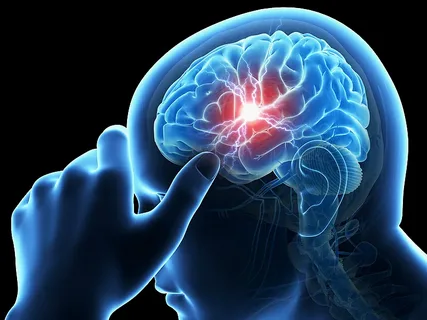
A stroke occurs when blood flow to a part of the brain is interrupted, leading to the death of brain cells due to lack of oxygen. There are two main types of stroke:
-
Ischemic Stroke – Caused by a blood clot blocking an artery in the brain. This is the most common type, accounting for nearly 87% of all strokes.
-
Hemorrhagic Stroke – Caused by a weakened blood vessel that ruptures, leading to bleeding in or around the brain.
Both forms can result in permanent disability or death, making prevention essential.
What Is Hypertension?
Hypertension, or high blood pressure, occurs when the force of blood pushing against artery walls remains consistently too high. Over time, this extra pressure damages arteries, making them stiff and narrow.
Key facts about hypertension:
-
Often called the “silent killer” because it has no obvious symptoms.
-
A blood pressure reading of 130/80 mmHg or higher is considered high.
-
Long-term effects include heart disease, kidney damage, and stroke.
How Stress Impacts Blood Pressure
Stress triggers the body’s “fight-or-flight” response, releasing hormones such as adrenaline and cortisol. These chemicals cause:
-
Increased heart rate
-
Constricted blood vessels
-
Temporary spikes in blood pressure
While short-term stress responses are natural, chronic stress keeps the body in a heightened state, forcing blood pressure to remain elevated for long periods. This persistent rise increases the risk of developing hypertension.
The Dangerous Combination: Stress + Hypertension
When stress and hypertension coexist, the effects multiply, significantly increasing stroke risk. Here’s how:
Vascular Damage
Chronic high blood pressure damages artery walls, making them more prone to rupture. Stress accelerates this process by increasing inflammation and strain on blood vessels.
Blood Clot Formation
Stress hormones promote platelet activity, which increases the likelihood of blood clot formation. Combined with hypertension, this raises the risk of ischemic stroke.
Heart Strain
Hypertension forces the heart to work harder, while stress adds additional load by raising heart rate and tightening arteries. This double strain heightens the chance of cardiovascular events.
Unhealthy Coping Behaviors
Stress often leads to poor lifestyle choices, such as overeating, smoking, alcohol use, or lack of exercise. Each of these behaviors independently raises blood pressure and stroke risk.
Signs You May Be at Risk
Recognizing early warning signs is critical. Individuals with both stress and hypertension may experience:
-
Frequent headaches or dizziness
-
Chest tightness or palpitations
-
Trouble sleeping or insomnia
-
Fatigue and brain fog
-
Episodes of intense anxiety or irritability
If you notice these signs alongside high blood pressure readings, it is time to take preventive action.
How Stress and Hypertension Trigger Stroke
The connection between stress, hypertension, and stroke is direct and scientifically supported. Here’s a closer look at the mechanisms:
-
Blood Vessel Weakening: Constant high pressure weakens arterial walls. Stress-induced spikes make rupture more likely, leading to hemorrhagic stroke.
-
Plaque Instability: Stress contributes to plaque buildup in arteries. Hypertension destabilizes these plaques, causing blockages that trigger ischemic stroke.
-
Cortisol Overload: Chronic stress keeps cortisol levels elevated, which increases abdominal fat, insulin resistance, and systemic inflammation—all contributing to vascular disease.
-
Reduced Blood Flow to the Brain: Both hypertension and stress reduce flexibility in blood vessels, impairing the brain’s ability to regulate blood flow efficiently.
Preventing Stroke Through Stress and Blood Pressure Management
The good news is that by managing both stress and hypertension, you can drastically lower your risk of stroke.
Monitor Blood Pressure Regularly
-
Use a home blood pressure monitor to track changes.
-
Keep readings below 120/80 mmHg when possible.
-
Share results with your healthcare provider for early intervention.
Adopt a Heart-Healthy Diet
-
Follow the DASH diet (Dietary Approaches to Stop Hypertension), rich in fruits, vegetables, whole grains, and lean proteins.
-
Limit salt, saturated fats, and processed foods.
-
Stay hydrated throughout the day.
Exercise Consistently
-
Aim for at least 150 minutes of moderate-intensity exercise per week.
-
Activities like walking, swimming, or cycling improve cardiovascular health and reduce stress.
Practice Stress-Relieving Techniques
-
Meditation and mindfulness lower cortisol levels.
-
Deep breathing exercises calm the nervous system.
-
Yoga or tai chi improve both physical and mental resilience.
Get Adequate Sleep
-
Poor sleep raises both stress hormones and blood pressure.
-
Aim for 7–9 hours of quality sleep nightly.
Avoid Unhealthy Coping Mechanisms
-
Limit alcohol intake.
-
Quit smoking.
-
Replace comfort eating with healthier stress outlets such as journaling or physical activity.
Medical Management
-
In cases of chronic hypertension, prescribed medications (such as diuretics, ACE inhibitors, or beta-blockers) may be necessary.
-
For stress management, therapy or counseling can help build long-term coping strategies.
When to Seek Medical Help
You should consult a doctor if you experience:
-
Consistently high blood pressure readings above 140/90 mmHg.
-
Chest pain, shortness of breath, or sudden dizziness.
-
Episodes of extreme stress or panic interfering with daily life.
Seek emergency care immediately if you notice stroke symptoms such as:
-
Sudden numbness or weakness in the face, arm, or leg (especially on one side).
-
Sudden confusion, trouble speaking, or understanding speech.
-
Sudden vision loss in one or both eyes.
-
Sudden difficulty walking, dizziness, or loss of balance.
-
Sudden severe headache with no known cause.
Remember the acronym FAST: Face drooping, Arm weakness, Speech difficulty, Time to call emergency services.
The Long-Term Benefits of Managing Stress and Hypertension
Taking proactive steps to control stress and blood pressure not only reduces stroke risk but also:
-
Enhances cognitive function and mental clarity.
-
Improves heart health and circulation.
-
Supports kidney function.
-
Extends lifespan and quality of life.
Conclusion: Protecting Your Brain and Heart Health
Stress and hypertension are a dangerous combination that significantly raises the risk of stroke. However, with the right lifestyle changes, stress management strategies, and medical support, it is possible to reduce these risks and safeguard your long-term health.
At First Point MD, we believe in empowering patients with knowledge and practical tools to manage both stress and blood pressure effectively. By prioritizing your physical and mental health today, you can greatly reduce the chances of stroke tomorrow.