
Managing chronic illnesses isn’t a one-and-done deal. It’s a journey that evolves over time. That’s why understanding how primary care doctors monitor and adjust medications for chronic patients is essential for long-term health and stability. At First Point MD, primary care physicians don’t just prescribe medications—they actively manage, monitor, and refine treatment plans to help patients live better, fuller lives.
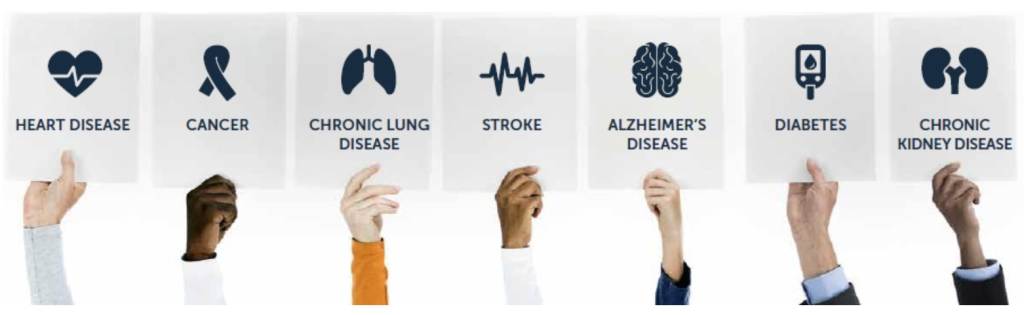
Chronic conditions like diabetes, hypertension, asthma, arthritis, and heart disease often require lifelong medication. However, what works today might not work tomorrow. Bodies change, conditions progress, and lifestyles shift. Because of that, primary care doctors take a proactive, ongoing approach to medication management. They evaluate effectiveness, minimize risks, and ensure every treatment plan remains safe and personalized.
Understanding Chronic Conditions and Long-Term Medication Use
What Defines a Chronic Condition?
A chronic condition is a long-lasting illness that often requires continuous care. Unlike acute illnesses, chronic diseases don’t usually resolve quickly. Conditions such as high blood pressure, diabetes, thyroid disorders, and COPD can last for years or even a lifetime.
These conditions often need daily medications to control symptoms and prevent complications. Because of their long-term nature, medication plans must be flexible and closely monitored.
Why Medication Management Is Critical
Long-term medication use can lead to challenges like drug interactions, side effects, or reduced effectiveness. Without proper monitoring, patients may experience complications or worsening symptoms. That’s where primary care doctors step in. They serve as the central hub for care coordination, ensuring medications remain effective and safe over time.
The Central Role of Primary Care Doctors in Chronic Care
Continuity of Care Explained
Primary care doctors provide continuity of care, meaning they follow patients over long periods. This long-term relationship allows doctors to notice subtle changes in health that might otherwise go unnoticed.
Because they see the full picture—medical history, lifestyle, family background—they’re uniquely positioned to manage chronic medications effectively.
Building Long-Term Patient Relationships
Trust matters. When patients feel comfortable with their primary care doctor, they’re more likely to report symptoms, side effects, or concerns. This open communication makes it easier to adjust medications promptly and safely.
At First Point MD, patient-centered relationships are the foundation of effective chronic care.
Initial Medication Assessment and Baseline Evaluation
Reviewing Medical History and Current Prescriptions
Before adjusting or prescribing medications, primary care doctors conduct a thorough review of a patient’s medical history. This includes:
-
Current and past medications
-
Pre-existing conditions
-
Family medical history
-
Lifestyle habits
This baseline assessment helps doctors understand what treatments have worked before and what hasn’t.
Identifying Risks, Allergies, and Interactions
Medication interactions can be dangerous. Primary care doctors carefully check for potential drug conflicts and allergies. They also assess age-related risks, kidney or liver function, and other factors that may influence how medications work.
Ongoing Monitoring: How Doctors Track Medication Effectiveness
Regular Checkups and Symptom Tracking
Monitoring doesn’t stop after a prescription is written. Regular follow-up visits allow doctors to assess symptom improvement or decline. Patients may be asked questions like:
-
Are symptoms improving?
-
Are there new side effects?
-
Is the medication easy to take daily?
These conversations are key to understanding real-world effectiveness.
Lab Tests and Diagnostic Monitoring
For many chronic conditions, lab tests are essential. Blood sugar levels, cholesterol, thyroid hormones, and kidney function tests help doctors see how well medications are working internally—not just symptom-wise.
According to the Centers for Disease Control and Prevention, routine monitoring significantly improves chronic disease outcomes.
Adjusting Medications Safely Over Time
Dose Modifications and Timing Changes
Sometimes, a small tweak makes a big difference. Doctors may increase or decrease dosages or change when medications are taken to improve results and reduce side effects.
These adjustments are done gradually and carefully to avoid complications.
Switching or Deprescribing Medications
As conditions improve or change, some medications may no longer be necessary. Primary care doctors may switch to newer, more effective drugs or safely reduce medications—a process known as deprescribing.
This approach helps minimize medication overload, especially in older adults.
Managing Side Effects and Adverse Reactions
Early Detection of Side Effects
Side effects can range from mild discomfort to serious health risks. Primary care doctors educate patients on what to watch for and encourage early reporting.
Catching side effects early prevents complications and keeps treatment on track.
Patient Communication and Reporting
Patients are encouraged to speak up. Even minor symptoms matter. At First Point MD, open communication ensures doctors can respond quickly and make necessary adjustments.
Personalized Treatment Plans at First Point MD
Individualized Care Based on Lifestyle and Age
No two patients are alike. Primary care doctors tailor medication plans based on age, daily routines, diet, and activity levels. A working professional may need a different schedule than a retired patient—and that’s okay.
Coordinating Care With Specialists
When needed, primary care doctors collaborate with specialists to ensure medications align across all treatments. This coordination reduces duplication and prevents dangerous interactions.
Technology and Tools Used in Medication Monitoring
Electronic Health Records (EHRs)
EHRs allow doctors to track medication history, lab results, and treatment changes in one place. This technology improves accuracy and continuity of care.
Remote Monitoring and Telehealth
Telehealth visits and remote monitoring tools make it easier for patients to stay connected with their doctors. These tools are especially helpful for chronic patients who need frequent check-ins.
Patient Education and Medication Adherence
Teaching Patients the “Why” Behind Medications
When patients understand why they’re taking a medication, adherence improves. Primary care doctors explain benefits, risks, and expected outcomes in simple terms.
Improving Long-Term Compliance
Simple strategies—pill organizers, reminders, and follow-up calls—help patients stay consistent. Better adherence leads to better outcomes. It’s that simple.
Frequently Asked Questions (FAQs)
How often do primary care doctors review chronic medications?
Most doctors review medications at every visit or at least every 3–6 months, depending on the condition.
Can medications for chronic conditions change over time?
Yes. As health status, age, or lifestyle changes, medications may need adjustments.
What should patients do if they experience side effects?
They should contact their primary care doctor immediately and not stop medication without guidance.
Are lab tests always required for medication monitoring?
Not always, but many chronic conditions require periodic lab testing for safe monitoring.
How does First Point MD personalize medication plans?
By considering medical history, lifestyle, age, and patient preferences.
Can primary care doctors reduce the number of medications a patient takes?
Yes. Deprescribing is common when medications are no longer necessary or beneficial.
Conclusion
Understanding how primary care doctors monitor and adjust medications for chronic patients highlights the importance of continuous, personalized care. At First Point MD, medication management isn’t static—it’s an evolving process designed to keep patients safe, healthy, and confident in their care.
By combining medical expertise, technology, patient education, and ongoing monitoring, primary care doctors ensure chronic patients receive the right medication at the right time. With the right support, long-term health isn’t just possible—it’s achievable.