

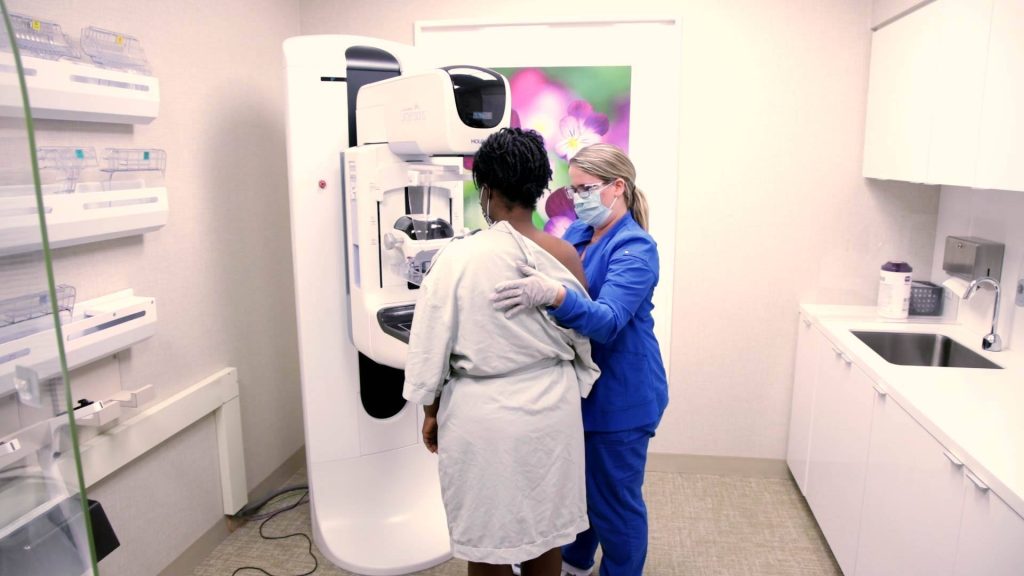
In today’s fast-paced world, many people focus on treating illness only after symptoms appear. However, modern healthcare emphasizes prevention as the most powerful tool for long-term wellness. Diet, exercise, and preventive screenings form a strong foundation for improving health outcomes and reducing the risk of chronic disease.
At First Point MD, we believe healthcare works best when patients take proactive steps to protect their health. When healthy nutrition, consistent physical activity, and routine preventive screenings work together, they create a powerful synergy that strengthens the body, supports early detection, and improves overall quality of life.
The Shift from Reactive to Preventive Healthcare
For decades, medical care largely focused on diagnosing and treating diseases after they developed. Today, research consistently shows that preventive strategies significantly reduce complications, hospitalizations, and healthcare costs.
Preventive healthcare includes:
-
Healthy lifestyle habits
-
Regular physical activity
-
Routine lab tests and screenings
-
Vaccinations
-
Early management of risk factors
Rather than waiting for warning signs, preventive care empowers individuals to stay ahead of disease.
The Role of Diet in Improving Health Outcomes
Nutrition as the Body’s Foundation
Food is more than fuel—it directly influences metabolism, immune function, inflammation, and organ health. A balanced diet supports:
-
Stable blood sugar levels
-
Healthy cholesterol levels
-
Optimal blood pressure
-
Strong immune response
-
Healthy weight management
Poor dietary habits, on the other hand, increase the risk of diabetes, heart disease, obesity, and certain cancers.
Key Components of a Healthy Diet
Evidence-based dietary recommendations include:
Whole Foods Over Processed Foods
Choose fruits, vegetables, whole grains, lean proteins, and healthy fats.
Balanced Macronutrients
Include carbohydrates, proteins, and fats in appropriate proportions.
Adequate Fiber Intake
Fiber supports digestive health and lowers cholesterol.
Healthy Fats
Omega-3 fatty acids from fish, nuts, and seeds reduce inflammation.
Reduced Added Sugars and Sodium
Lowering sugar and salt intake helps prevent hypertension and insulin resistance.
Consistent healthy eating habits significantly lower long-term disease risk.
Exercise: The Body’s Natural Medicine
Why Physical Activity Matters
Exercise improves nearly every system in the body. It strengthens the heart, enhances lung capacity, improves insulin sensitivity, and boosts mental health.
Regular physical activity:
-
Lowers blood pressure
-
Improves cholesterol levels
-
Reduces stress
-
Enhances mood
-
Supports weight control
-
Lowers risk of chronic disease
Even moderate exercise can have profound benefits.
Types of Exercise for Optimal Health
A well-rounded fitness plan includes:
Aerobic Exercise
Examples: brisk walking, cycling, swimming
Benefits: improves cardiovascular health
Strength Training
Examples: weight lifting, resistance bands
Benefits: builds muscle mass and improves metabolism
Flexibility and Mobility
Examples: stretching, yoga
Benefits: improves joint function and prevents injury
Balance Training
Especially important for older adults to prevent falls.
The American Heart Association recommends at least 150 minutes of moderate-intensity exercise per week.
Preventive Screenings: Detecting Problems Early
What Are Preventive Screenings?
Preventive screenings are medical tests performed before symptoms develop. Their purpose is to detect diseases in early, more treatable stages.
Common screenings include:
-
Blood pressure checks
-
Cholesterol testing
-
Blood glucose testing
-
Cancer screenings (mammograms, colonoscopies, Pap smears)
-
Bone density scans
-
Routine blood work
Early detection often leads to better treatment outcomes.
Why Screenings Matter
Many serious conditions develop silently, including:
-
Hypertension
-
High cholesterol
-
Early-stage cancers
By the time symptoms appear, complications may already be present. Regular screenings allow healthcare providers to intervene early and prevent disease progression.
How Diet, Exercise, and Screenings Work Together
While each component provides individual benefits, their true power lies in combination.
Diet Supports Screening Results
Healthy eating helps maintain:
-
Normal cholesterol levels
-
Stable blood sugar
-
Healthy body weight
When lab tests are performed, patients with balanced diets often show improved biomarkers.
Exercise Enhances Metabolic Health
Physical activity improves insulin sensitivity and reduces cardiovascular risk. Regular exercise also strengthens immune function, reducing infection risk.
When screening tests detect early abnormalities, exercise can often help reverse or manage them without medication.
Screenings Guide Lifestyle Adjustments
Preventive screenings provide measurable data. For example:
-
Elevated cholesterol? Adjust diet and increase aerobic exercise.
-
Pre-diabetes? Modify carbohydrate intake and increase physical activity.
-
High blood pressure? Reduce sodium and improve fitness.
Screenings create actionable insight that allows personalized lifestyle improvements.
Preventing Chronic Diseases Through Integration
Cardiovascular Disease
A heart-healthy diet, regular exercise, and cholesterol monitoring significantly reduce heart attack and stroke risk.
Type 2 Diabetes
Weight management through diet and exercise lowers insulin resistance. Routine glucose screenings detect early changes before full diabetes develops.
Obesity
Combining nutritional counseling, structured exercise programs, and metabolic monitoring leads to sustainable weight management.
Cancer Prevention
Healthy lifestyle habits lower risk, while routine screenings detect early-stage disease when treatment is most effective.
Mental Health Benefits
The connection between physical and mental health is undeniable.
-
Exercise releases endorphins, improving mood.
-
Balanced nutrition stabilizes energy levels.
-
Regular check-ups reduce anxiety by providing reassurance.
Preventive care supports not only physical wellness but also emotional well-being.
The Importance of Personalized Preventive Care
Not all individuals have the same health risks. Age, family history, lifestyle, and pre-existing conditions influence screening schedules and recommendations.
At First Point MD, personalized care plans may include:
-
Customized dietary guidance
-
Exercise recommendations tailored to fitness level
-
Age-appropriate screenings
-
Ongoing monitoring of chronic conditions
Personalized strategies ensure optimal outcomes.
Overcoming Common Barriers
Many people struggle to prioritize preventive care due to:
-
Busy schedules
-
Lack of motivation
-
Misunderstanding of screening importance
-
Fear of medical tests
However, small, consistent steps can make a significant difference. Scheduling annual check-ups, preparing simple healthy meals, and committing to short daily walks are manageable starting points.
Building Sustainable Habits
Improving health outcomes requires long-term consistency.
Practical Tips:
-
Plan meals ahead of time
-
Set weekly exercise goals
-
Schedule annual physical exams in advance
-
Track blood pressure or blood sugar at home if recommended
-
Stay hydrated
Sustainability matters more than perfection.
Community and Support Systems
Social support increases accountability and success rates.
-
Exercise with a friend
-
Join a fitness class
-
Participate in wellness programs
-
Involve family in healthy meal planning
Healthcare providers also serve as essential partners in preventive care.
The Long-Term Impact on Quality of Life
When diet, exercise, and preventive screenings work together, patients experience:
-
Fewer hospital visits
-
Lower medication dependence
-
Improved energy levels
-
Better mobility
-
Increased lifespan
Preventive care is an investment in long-term vitality.
A Proactive Approach to Health at First Point MD
At First Point MD, we emphasize a comprehensive preventive care model. Our approach includes:
-
Routine health assessments
-
Lab testing and screenings
-
Chronic disease management
-
Lifestyle counseling
-
Patient education
By combining medical expertise with patient commitment, we help individuals achieve measurable improvements in their health outcomes.
Conclusion
Diet, exercise, and preventive screenings are not isolated components of healthcare—they are interconnected pillars that support long-term wellness. Healthy nutrition fuels the body, regular exercise strengthens it, and preventive screenings monitor and protect it.
Together, they create a powerful defense against chronic disease and significantly improve overall health outcomes. By taking proactive steps today, individuals can reduce risks, enhance quality of life, and enjoy lasting well-being.
Preventive care isn’t just about living longer—it’s about living better. At First Point MD, we’re committed to helping patients build healthier futures through informed, evidence-based strategies that truly make a difference.