

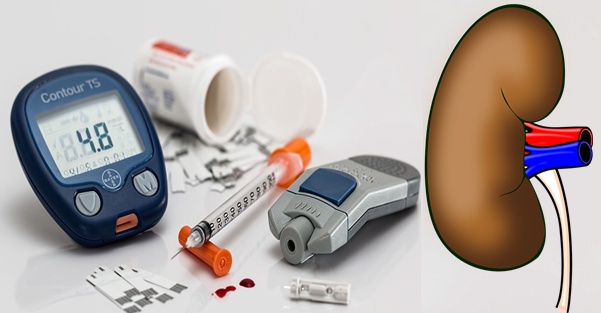
Introduction to Diabetes and Kidney Health
Diabetes is one of the leading causes of kidney disease worldwide. Over time, high blood sugar levels can damage many organs, but the kidneys are especially vulnerable. Understanding how diabetes damages kidney blood vessels over time is essential for preventing serious complications.
The kidneys rely on a dense network of tiny blood vessels to filter waste from the bloodstream. When these vessels are exposed to prolonged high glucose levels, they begin to weaken, thicken, and lose function.
This condition is known as diabetic nephropathy, and it develops gradually—often without noticeable symptoms in the early stages.
How Healthy Kidneys Function
Structure of Nephrons and Blood Vessels
Each kidney contains about one million filtering units called nephrons. Inside each nephron is a cluster of tiny blood vessels called glomeruli, which act as filters.
These blood vessels allow:
- Waste and excess fluid to pass through
- Essential nutrients to remain in the bloodstream
The balance maintained by these microscopic vessels is critical for overall health.
Role of Glomeruli in Filtration
Glomeruli are made up of delicate capillaries that filter blood under pressure. Healthy glomeruli ensure that:
- Proteins stay in the blood
- Toxins are removed efficiently
However, when diabetes interferes with this process, the filtration system begins to break down.
What Happens in Diabetes?
Chronic High Blood Sugar Effects
The primary driver behind kidney damage in diabetes is chronic hyperglycemia (high blood sugar). Over time, excess glucose circulates in the blood and affects the structure of blood vessels.
This leads to:
- Increased pressure inside kidney filters
- Chemical changes in vessel walls
- Reduced oxygen delivery
Persistent high blood sugar damages the small blood vessels that filter the blood, leading to progressive kidney dysfunction.
Early Changes in Blood Vessels
In the early stages, something surprising happens: the kidneys may actually work harder than normal. This is called hyperfiltration.
Although it may seem beneficial, this increased workload places stress on the blood vessels, setting the stage for long-term damage.
Mechanism of Blood Vessel Damage
Hyperglycemia and Vascular Injury
High glucose levels directly affect the cells lining the blood vessels (endothelium). Over time, this leads to:
- Loss of elasticity
- Increased permeability
- Cellular dysfunction
The vessels become fragile and less efficient at filtering blood.
Advanced Glycation End Products (AGEs)
One of the most damaging processes involves the formation of advanced glycation end products (AGEs). These occur when glucose attaches to proteins and lipids in the blood vessels.
AGEs:
- Alter the structure of vessel walls
- Reduce flexibility
- Trigger inflammation
These changes contribute significantly to kidney damage.
Oxidative Stress and Inflammation
Hyperglycemia also increases the production of harmful molecules called reactive oxygen species (ROS). These molecules:
- Damage cells
- Promote inflammation
- Accelerate tissue breakdown
Inflammation further worsens vascular injury and leads to scarring (fibrosis) in the kidneys.
Structural Changes in Kidney Blood Vessels
Thickening of Capillary Walls
As damage progresses, the walls of the glomerular capillaries become thicker. This thickening:
- Reduces filtration efficiency
- Disrupts nutrient exchange
- Leads to leakage of proteins into urine
This is one of the earliest visible signs of diabetic kidney disease.
Narrowing and Hardening of Arteries
Diabetes also causes arteriolar hyalinosis, a condition where blood vessel walls become hardened and narrowed.
This results in:
- Reduced blood flow to the kidneys
- Increased pressure inside the filtering system
- Progressive tissue damage
Eventually, the kidneys cannot function properly.
Stages of Diabetic Kidney Disease
Early Stage (Hyperfiltration)
- Increased kidney activity
- No obvious symptoms
- Slight changes in blood vessels
Progressive Damage
- Protein leakage (microalbuminuria)
- Rising blood pressure
- Structural damage to vessels
At this stage, small amounts of protein appear in the urine—an early warning sign of kidney damage.
End-Stage Kidney Disease
- Severe vessel damage
- Loss of filtration ability
- Need for dialysis or transplant
Diabetes is one of the leading causes of end-stage renal disease globally.
Symptoms and Warning Signs
Diabetic kidney disease often develops silently. However, as it progresses, symptoms may include:
- Swelling in legs and feet
- Fatigue
- Frequent urination
- Foamy urine (protein leakage)
- High blood pressure
Early detection is key to preventing irreversible damage.
Risk Factors That Accelerate Damage
Several factors can speed up how diabetes damages kidney blood vessels over time:
- Poor blood sugar control
- High blood pressure
- Smoking
- High cholesterol
- Obesity
- Family history
Managing these risk factors can significantly slow disease progression.
Diagnosis and Monitoring
Early diagnosis relies on simple tests:
- Urine test for albumin
- Blood tests for kidney function
- Blood pressure monitoring
Regular screening helps detect damage before symptoms appear.
Prevention and Management Strategies
Preventing kidney damage in diabetes requires a proactive approach:
Blood Sugar Control
Maintaining stable glucose levels reduces stress on blood vessels.
Blood Pressure Management
Lowering blood pressure protects the kidneys from further damage.
Healthy Lifestyle
- Balanced diet
- Regular exercise
- Avoid smoking
Medications
Doctors may prescribe medications to protect kidney function and control blood pressure.
Frequently Asked Questions
Why does diabetes damage kidney blood vessels?
High blood sugar causes chemical and structural changes in blood vessels, leading to damage over time.
Can kidney damage from diabetes be reversed?
Early stages may be managed or slowed, but advanced damage is usually irreversible.
What is the first sign of diabetic kidney disease?
The presence of protein (albumin) in urine is often the earliest sign.
How long does it take for diabetes to affect the kidneys?
It can take several years, depending on blood sugar control and other risk factors.
Is high blood pressure linked to kidney damage in diabetes?
Yes, it both contributes to and results from kidney damage.
How can I protect my kidneys if I have diabetes?
Control blood sugar, monitor blood pressure, maintain a healthy lifestyle, and get regular checkups.
Conclusion
Understanding how diabetes damages kidney blood vessels over time is essential for preventing serious complications. The process is gradual but involves complex mechanisms—from high blood sugar and inflammation to structural damage and loss of function.
The encouraging news is that early intervention can make a significant difference. With proper care, regular monitoring, and healthy lifestyle choices, many people with diabetes can protect their kidney health and avoid severe outcomes.
Taking action today can safeguard your health for years to come.