
Accessing consistent medical care can be challenging for individuals living with mobility disabilities. Transportation barriers, physical limitations, and the need for caregiver assistance often make frequent in-person visits difficult. Fortunately, advances in digital healthcare have transformed how patients receive care. Home-based telehealth monitoring now allows patients with mobility disabilities to manage their health safely and effectively from the comfort of their homes.
At First Point MD, telehealth monitoring is designed to promote independence, continuity of care, and improved health outcomes. This article explores home-based telehealth monitoring options, how they work, and why they are especially valuable for patients with mobility limitations.
Understanding Mobility Disabilities and Healthcare Challenges
Mobility disabilities affect a person’s ability to move freely or perform physical activities such as walking, standing, or transferring. These disabilities may be caused by:
Spinal cord injuries
Multiple sclerosis
Cerebral palsy
Stroke
Muscular dystrophy
Arthritis or joint degeneration
Amputation
For many patients, routine healthcare visits require significant planning, specialized transportation, and physical exertion. Missed appointments and delayed care can lead to worsening health conditions and preventable complications.
What Is Home-Based Telehealth Monitoring?
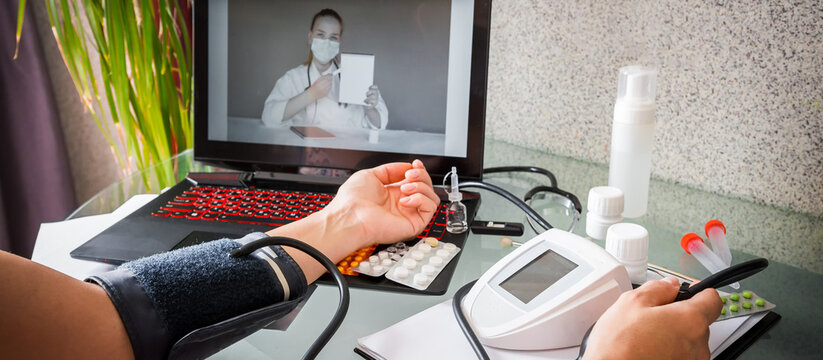
Home-based telehealth monitoring uses digital technology to track health data remotely and transmit it to healthcare providers in real time or at scheduled intervals. Instead of traveling to a clinic, patients can share vital health information from home.
Key Components of Telehealth Monitoring
Internet-connected medical devices
Secure patient portals or mobile apps
Virtual consultations with clinicians
Automated alerts for abnormal readings
These systems allow healthcare teams to identify concerns early and adjust treatment plans promptly.
Why Telehealth Monitoring Is Ideal for Patients with Mobility Disabilities
Telehealth monitoring addresses many of the barriers faced by individuals with limited mobility.
Improved Access to Care
Patients can receive medical attention without navigating inaccessible buildings or transportation challenges. This ensures more consistent follow-up and better disease management.
Enhanced Safety and Comfort
Remaining at home reduces exposure to infections and eliminates the physical strain associated with travel.
Greater Independence
Telehealth empowers patients to take an active role in their healthcare while maintaining autonomy.
Common Home-Based Telehealth Monitoring Devices
Remote Vital Sign Monitoring
Vital signs such as blood pressure, heart rate, oxygen saturation, and temperature can be monitored using connected devices.
Common tools include:
Digital blood pressure cuffs
Pulse oximeters
Smart thermometers
Wireless weight scales
These devices automatically send readings to healthcare providers for review.
Wearable Health Monitoring Technology
Wearable devices track daily health patterns and physical activity levels.
Examples of Wearable Telehealth Tools
Smartwatches that monitor heart rate and sleep
Fitness trackers for mobility and activity levels
Wearable ECG monitors
For patients with mobility disabilities, wearables can help clinicians assess cardiovascular health and detect early warning signs.
Chronic Condition Management Through Telehealth
Many individuals with mobility disabilities also manage chronic illnesses that require close monitoring.
Conditions Commonly Managed Remotely
Diabetes
Heart disease
Chronic obstructive pulmonary disease (COPD)
Hypertension
Neurological disorders
Telehealth monitoring helps track disease progression and reduces the need for emergency care.
Video Visits and Virtual Consultations
Virtual visits are a cornerstone of home-based telehealth monitoring.
Benefits of Virtual Appointments
Real-time communication with providers
Medication adjustments without office visits
Review of home-collected health data
Inclusion of caregivers or family members
These visits foster continuity of care and strengthen the patient-provider relationship.
Medication Management and Adherence Tools
Medication adherence can be challenging for patients with complex health needs.
Telehealth Medication Support Options
Digital pill reminders
Smart pill dispensers
App-based medication tracking
Virtual medication reviews
These tools help ensure medications are taken correctly and consistently.
Remote Physical and Occupational Therapy
Tele-rehabilitation allows patients to receive therapy services at home.
How Remote Therapy Works
Live video sessions with therapists
Guided exercises adapted for mobility levels
Progress tracking and feedback
Tele-therapy promotes physical function while minimizing the risks associated with travel.
Mental Health Monitoring and Support
Mobility disabilities can increase the risk of depression, anxiety, and social isolation.
Telehealth Mental Health Services Include
Virtual counseling and therapy sessions
Mood tracking apps
Stress and sleep monitoring tools
Integrated mental health support is a vital part of comprehensive care.
Accessibility Features in Telehealth Platforms
Effective telehealth solutions must be accessible to all users.
Important Accessibility Considerations
Voice-activated controls
Screen reader compatibility
Adjustable text size and contrast
Simple, user-friendly interfaces
At First Point MD, telehealth platforms are selected with accessibility and ease of use in mind.
Data Security and Patient Privacy
Protecting patient information is essential in digital healthcare.
Telehealth Security Measures
Encrypted data transmission
Secure patient portals
Compliance with healthcare privacy regulations
Patients can feel confident that their health data remains protected.
The Role of Caregivers in Telehealth Monitoring
Caregivers often play a key role in supporting patients with mobility disabilities.
How Caregivers Benefit
Access to shared health data
Participation in virtual visits
Reduced caregiving burden
Telehealth creates a collaborative care environment that supports both patients and caregivers.
Why Choose First Point MD for Telehealth Monitoring
At First Point MD, home-based telehealth monitoring is tailored to each patient’s unique needs.
Our approach includes:
Personalized care plans
Ongoing provider oversight
Integrated physical and mental health services
Patient-centered, accessible technology
We believe healthcare should adapt to patients—not the other way around.
Conclusion
Home-based telehealth monitoring has revolutionized healthcare for patients with mobility disabilities. By combining remote monitoring devices, virtual visits, and accessible technology, telehealth delivers high-quality care directly to patients’ homes.
With support from First Point MD, individuals with mobility limitations can manage chronic conditions, maintain independence, and improve overall quality of life—without the barriers of traditional in-person care. As telehealth continues to evolve, it remains a powerful tool for creating a more inclusive and patient-centered healthcare system.