

Introduction: Why Male Age Matters More Than You Think
For decades, fertility conversations have focused almost exclusively on women. However, modern medical research shows that male age is far from irrelevant. In fact, age-related sperm decline is now recognized as a key factor affecting conception, pregnancy health, and even long-term child outcomes.
Men don’t experience a sudden fertility cutoff like women do with menopause. Instead, fertility declines gradually. That slow change often goes unnoticed—until conception takes longer than expected. Understanding how age-related sperm decline works empowers couples to make informed decisions early rather than react later.
At First Point MD, patient education and evidence-based guidance remain central to proactive reproductive health planning.
Understanding Age-Related Sperm Decline
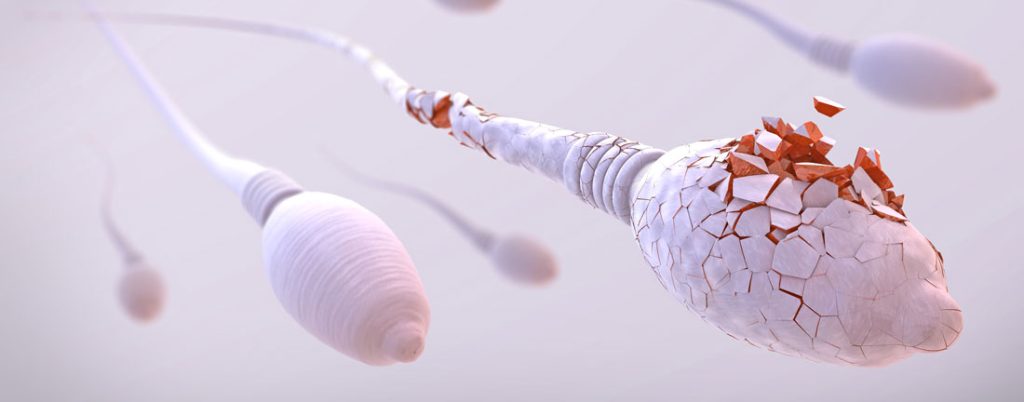
Age-related sperm decline refers to the gradual deterioration of sperm quality, quantity, and genetic integrity as men grow older. While men can technically produce sperm throughout life, that doesn’t mean all sperm is created equal.
What Happens to Sperm Quality With Age
Sperm quality involves motility (movement), morphology (shape), and viability. As men age, these parameters often decline.
Key changes include:
-
Reduced sperm motility, making it harder to reach the egg
-
Increased abnormal sperm shapes
-
Lower energy efficiency within sperm cells
These changes typically begin subtly in the late 30s and become more pronounced after age 40. While conception is still possible, efficiency drops, meaning it can take longer and require more medical support.
Changes in Sperm Quantity Over Time
Sperm count also declines with age, although less dramatically than quality. Testosterone levels gradually decrease, influencing sperm production.
Common patterns include:
| Age Range | Average Sperm Count Trend |
|---|---|
| 20–30 | Peak production |
| 31–40 | Mild decline |
| 41–50 | Moderate decline |
| 51+ | Noticeable reduction |
Lower sperm count reduces the probability of fertilization, especially when paired with declining motility.
DNA Fragmentation and Genetic Risks
One of the most critical aspects of age-related sperm decline is increased DNA fragmentation. As men age, sperm DNA becomes more vulnerable to oxidative stress and replication errors.
Higher DNA fragmentation is associated with:
-
Lower fertilization rates
-
Increased miscarriage risk
-
Greater chance of developmental disorders
According to research referenced by the National Institutes of Health (NIH), paternal age over 40 is linked to higher rates of genetic mutations in offspring, even when maternal age is optimal. (External reference: NIH)
How Age-Related Sperm Decline Affects Conception Outcomes
Understanding the biological changes is only half the picture. The real concern lies in how age-related sperm decline influences real-world conception outcomes.
Natural Conception Challenges
As sperm quality and quantity decline, natural conception becomes less predictable. Couples may experience:
-
Longer time-to-pregnancy
-
Increased reliance on fertility tracking
-
Emotional strain from repeated unsuccessful cycles
Even with regular ovulation and optimal timing, age-related sperm decline can significantly reduce monthly conception chances.
Impact on Fertility Treatments
Assisted reproductive technologies (ART) such as IVF and ICSI can help overcome many barriers—but they aren’t immune to sperm aging effects.
Clinical data shows:
-
Lower embryo quality with older paternal age
-
Reduced implantation rates
-
Higher embryo arrest during early development
While ART improves odds, it doesn’t fully reverse age-related sperm decline.
Pregnancy Risks Linked to Paternal Age
Advanced paternal age has been linked to several pregnancy-related risks, including:
-
Higher miscarriage rates
-
Increased risk of preterm birth
-
Elevated chances of neurodevelopmental conditions
These risks remain statistically small but clinically relevant, particularly when combined with other fertility challenges.
Medical Evaluation and Diagnosis
Early evaluation plays a crucial role in managing age-related sperm decline. The sooner issues are identified, the more options are available.
Semen Analysis Explained
A standard semen analysis assesses:
-
Sperm concentration
-
Motility
-
Morphology
-
Volume and liquefaction time
This test serves as the first diagnostic step and often reveals age-related patterns even before symptoms appear.
Advanced Male Fertility Testing
When basic tests aren’t enough, advanced diagnostics may include:
-
DNA fragmentation testing
-
Hormonal panels
-
Genetic screening
These tools provide deeper insight into how age-related sperm decline may affect conception and guide personalized treatment strategies.
Lifestyle, Prevention, and Treatment Options
Although aging can’t be stopped, its effects on sperm can be managed—sometimes significantly.
Lifestyle Changes That Support Sperm Health
Small changes can yield meaningful improvements:
-
Maintaining a healthy weight
-
Reducing alcohol consumption
-
Quitting smoking
-
Managing chronic stress
-
Improving sleep quality
Antioxidant-rich diets may help reduce oxidative damage linked to age-related sperm decline.
Medical and Assisted Reproductive Options
Depending on severity, treatment options may include:
-
Hormonal therapy
-
Antioxidant supplementation
-
Surgical correction of varicoceles
-
IVF or ICSI
A fertility specialist can tailor interventions based on age, test results, and family goals.
Emotional, Psychological, and Relationship Considerations
Fertility challenges aren’t just physical. Age-related sperm decline can affect emotional well-being and relationships.
Common experiences include:
-
Feelings of guilt or frustration
-
Communication breakdowns between partners
-
Anxiety around future family planning
Addressing emotional health alongside medical treatment leads to better outcomes and stronger partnerships.
Frequently Asked Questions (FAQs)
At what age does age-related sperm decline begin?
Most men experience subtle changes after age 35, with more noticeable decline after 40.
Can age-related sperm decline be reversed?
It can’t be fully reversed, but lifestyle changes and medical treatments can improve sperm parameters.
Does age-related sperm decline affect IVF success?
Yes, it may lower embryo quality and implantation rates, though IVF remains effective for many couples.
Is paternal age linked to miscarriage risk?
Research suggests higher paternal age is associated with increased miscarriage rates.
Should men freeze sperm at a younger age?
Sperm freezing is a proactive option for men planning delayed parenthood.
How often should older men test fertility?
Men over 40 trying to conceive should consider evaluation after six months of unsuccessful attempts.
Conclusion: Planning Ahead With Confidence
Age-related sperm decline is real, measurable, and increasingly relevant in modern family planning. While it introduces challenges, it doesn’t eliminate hope. With early evaluation, informed lifestyle choices, and advanced medical care, many men successfully father healthy children well into later life.
At First Point MD, understanding comes first—because informed patients make empowered decisions. Recognizing age-related sperm decline early allows couples to move forward with clarity, confidence, and realistic expectations.