

Introduction to Fertility Awareness
Fertility awareness is an essential aspect of women’s health that helps individuals understand their reproductive system and menstrual cycle. When people talk about reproductive health, they often focus on pregnancy or fertility treatments. However, understanding the body’s natural ovulation cycle plays a much bigger role in overall health than many realize.
Fertility Awareness refers to the practice of observing and tracking biological signs that indicate where a person is in their menstrual cycle. These signals help identify the fertile window—the time during the cycle when pregnancy is most likely to occur.
In recent years, more women have begun using fertility awareness methods not only to plan pregnancy but also to monitor hormonal health and identify possible reproductive issues early.
What Is Fertility Awareness?
Fertility awareness is a natural method of understanding the menstrual cycle by tracking biological signals such as:
-
Basal body temperature
-
Cervical mucus changes
-
Hormonal fluctuations
-
Ovulation timing
These indicators help determine when ovulation occurs and when fertility peaks during the cycle.
The concept isn’t new. In fact, fertility awareness methods have been used for decades in reproductive health education. Today, medical professionals and fertility specialists encourage women to learn about their cycles because it empowers them to make informed decisions about their bodies.
Why Fertility Awareness Matters
Understanding fertility awareness provides several benefits for women at different life stages. Whether someone wants to conceive, avoid pregnancy naturally, or simply understand their hormonal health, tracking ovulation cycles can be incredibly helpful.
Key benefits include:
-
Better understanding of reproductive health
-
Increased chances of conception when trying to get pregnant
-
Awareness of irregular cycles
-
Early detection of hormonal imbalances
Furthermore, fertility awareness helps individuals recognize patterns in their menstrual cycle. When something changes suddenly, such as missed ovulation or irregular bleeding, it may signal underlying health concerns that require medical attention.
How Hormones Influence the Menstrual Cycle
The menstrual cycle is driven by a complex interaction of hormones produced by the brain and ovaries. These hormones regulate ovulation, uterine lining development, and menstrual bleeding.
Important hormones involved include:
| Hormone | Function |
|---|---|
| Estrogen | Prepares uterus lining and stimulates egg development |
| Progesterone | Supports pregnancy after ovulation |
| Luteinizing Hormone (LH) | Triggers ovulation |
| Follicle Stimulating Hormone (FSH) | Stimulates ovarian follicles |
These hormonal changes influence fertility awareness signals such as cervical mucus consistency and body temperature changes. By tracking these signals, women can better understand when ovulation occurs and how their body functions throughout the cycle.
Understanding the Ovulation Cycle
Ovulation is a critical part of reproductive health. It occurs when the ovary releases a mature egg that may be fertilized by sperm. This process typically happens once per menstrual cycle.
Understanding the ovulation cycle is essential for anyone interested in fertility awareness because ovulation determines the fertile window.
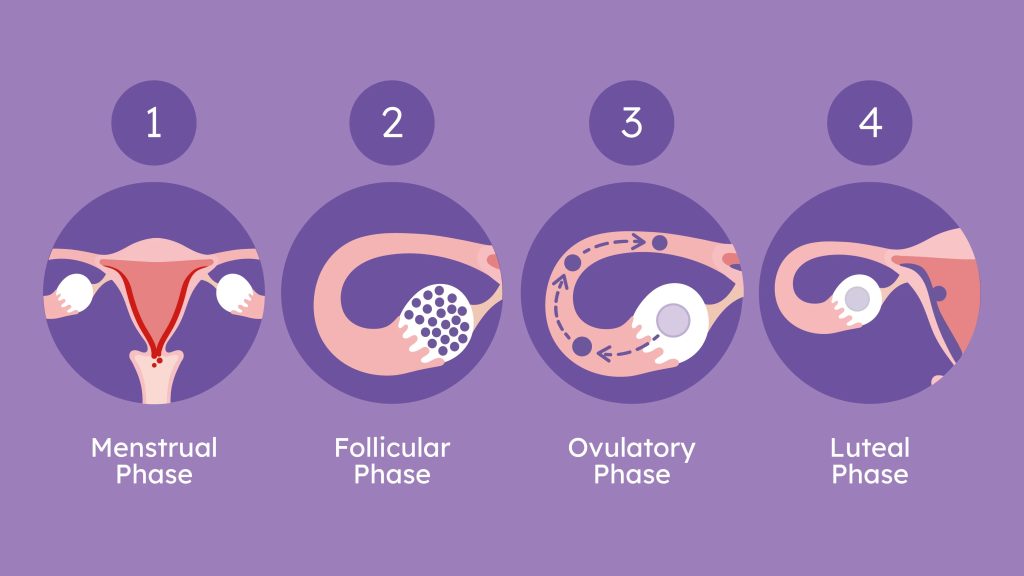
The Four Phases of the Menstrual Cycle
A typical menstrual cycle lasts about 28 days, although cycles between 21 and 35 days are considered normal.
The cycle has four main phases.
Menstrual Phase
This phase begins on the first day of menstruation. During this stage, the uterus sheds its lining, which results in menstrual bleeding.
Typical characteristics:
-
Lasts 3–7 days
-
Hormone levels are low
-
Fertility is minimal
Although fertility is low during this stage, tracking cycle patterns helps predict future ovulation.
Follicular Phase
The follicular phase begins on the first day of menstruation and continues until ovulation.
During this time:
-
FSH stimulates ovarian follicles
-
Estrogen levels increase
-
The uterine lining thickens
Women may start noticing subtle fertility signals during this phase as cervical mucus begins to change.
Ovulation Phase
Ovulation is the most fertile period of the menstrual cycle.
Key features include:
-
Triggered by a surge in luteinizing hormone (LH)
-
Egg released from ovary
-
Fertile window lasts about 24 hours after egg release
However, sperm can survive in the reproductive tract for up to five days. Therefore, the fertile window is typically considered about six days.
Women practicing fertility awareness often track this phase carefully when trying to conceive.
Luteal Phase
After ovulation, the body enters the luteal phase.
During this stage:
-
Progesterone rises
-
Uterine lining prepares for possible pregnancy
-
Basal body temperature increases
If fertilization does not occur, hormone levels fall and the next menstrual cycle begins.
Signs of Ovulation
The body naturally produces several signals that indicate ovulation.
Common ovulation signs include:
-
Increased cervical mucus (clear and stretchy)
-
Mild pelvic pain or ovulation cramps
-
Increased libido
-
Slight rise in basal body temperature
These signals are key indicators used in fertility awareness tracking.
Tracking Ovulation
There are several effective methods used to track ovulation.
Basal Body Temperature
Basal body temperature (BBT) refers to the body’s resting temperature immediately after waking up.
After ovulation, progesterone increases body temperature slightly—usually by about 0.5°F (0.3°C).
Tracking daily temperature can help confirm ovulation patterns over time.
Cervical Mucus Tracking
Cervical mucus changes throughout the cycle.
During the fertile window, mucus becomes:
-
Clear
-
Slippery
-
Stretchy
This consistency helps sperm travel more easily through the reproductive tract.
Ovulation Predictor Kits
Ovulation predictor kits detect the surge in luteinizing hormone that occurs shortly before ovulation.
These kits are widely available and can help confirm the fertile window.
Benefits of Fertility Awareness for Reproductive Health
Fertility awareness is not only useful for pregnancy planning. It also plays a major role in maintaining overall reproductive health.
Women who track their cycles often gain deeper insight into their hormonal balance and general well-being.
Family Planning and Natural Birth Control
One of the most common uses of fertility awareness is family planning.
Couples may use ovulation tracking to:
-
Increase chances of conception
-
Avoid intercourse during fertile days
-
Plan pregnancies more effectively
Although fertility awareness can be helpful, healthcare professionals often recommend combining it with medical guidance for best results.
Identifying Hormonal Imbalances
Tracking cycles consistently may reveal irregular patterns such as:
-
Missing ovulation
-
Short luteal phases
-
Irregular bleeding
These changes may indicate hormonal disorders such as:
-
Polycystic ovary syndrome (PCOS)
-
Thyroid imbalance
-
Hormonal deficiencies
Early detection allows healthcare providers to investigate and manage potential issues.
Supporting Overall Women’s Health
Understanding ovulation cycles contributes to overall wellness.
Women often report that fertility awareness improves their ability to:
-
Understand hormonal mood changes
-
Recognize stress impacts on cycles
-
Monitor reproductive health over time
Healthcare providers emphasize that reproductive health is closely linked with overall health, including metabolism, sleep, and emotional wellbeing.
Nutrition and Fertility
Diet plays a major role in reproductive health.
Nutrients that support fertility include:
-
Iron
-
Folate
-
Omega-3 fatty acids
-
Vitamin D
Balanced nutrition supports hormonal balance and ovulation regularity.
Lifestyle and Fertility
Lifestyle habits significantly affect reproductive health.
Factors influencing fertility include:
-
Stress levels
-
Sleep quality
-
Exercise patterns
-
Body weight
Healthy lifestyle adjustments can improve ovulation consistency and fertility outcomes.
Medical Consultation
Although fertility awareness is valuable, medical consultation is important when:
-
cycles are irregular
-
ovulation is absent
-
conception does not occur after 12 months of trying
Healthcare providers can perform diagnostic tests to identify possible reproductive issues.
Common Myths About Ovulation and Fertility
Despite widespread information online, several myths about fertility awareness still persist.
Understanding the facts helps people make informed decisions about reproductive health.
Myth: Ovulation Always Happens on Day 14
Many people believe ovulation always occurs on day 14 of the cycle. However, this is only true for some individuals.
Cycle length varies widely, meaning ovulation may occur earlier or later depending on hormonal patterns.
Myth: Regular Cycles Mean Guaranteed Fertility
Even individuals with regular cycles may experience fertility challenges.
Ovulation quality, egg health, and hormonal balance all influence reproductive success.
Myth: Fertility Awareness Is Unreliable
When practiced correctly and consistently, fertility awareness methods can provide valuable insights into ovulation timing and reproductive health.
However, accurate tracking requires discipline, proper education, and sometimes medical guidance.
Frequently Asked Questions (FAQs)
What is fertility awareness?
Fertility awareness is the practice of tracking biological signs such as cervical mucus, basal body temperature, and cycle length to understand ovulation timing and reproductive health.
How can I tell when I am ovulating?
Common ovulation signs include stretchy cervical mucus, increased libido, mild pelvic pain, and a rise in basal body temperature after ovulation.
Is fertility awareness reliable for pregnancy planning?
Yes, fertility awareness can help identify the fertile window, which improves the chances of conception when trying to become pregnant.
Can fertility awareness help detect health issues?
Yes. Irregular cycles, missed ovulation, or unusual bleeding patterns may indicate hormonal imbalances or Do all women ovulate every month?
Not always. Stress, illness, hormonal disorders, or lifestyle factors may prevent ovulation in certain cycles.
Should I consult a doctor about fertility tracking?
Yes. Healthcare providers can help interpret fertility signals and recommend testing if cycles appear irregular.
Conclusion
Fertility awareness is a powerful tool that helps individuals understand their reproductive health and ovulation cycles more clearly. By tracking natural biological signals such as cervical mucus, basal body temperature, and hormonal patterns, women gain valuable insights into their fertility and overall wellbeing.
Understanding ovulation cycles not only supports pregnancy planning but also helps identify hormonal imbalances and reproductive health concerns early. When combined with healthy lifestyle habits and professional medical guidance, fertility awareness becomes an effective strategy for maintaining long-term reproductive health.
As more people embrace proactive healthcare approaches, fertility awareness continues to grow in importance. By learning how the menstrual cycle works and recognizing ovulation signals, individuals can make informed decisions about family planning, wellness, and reproductive health.