

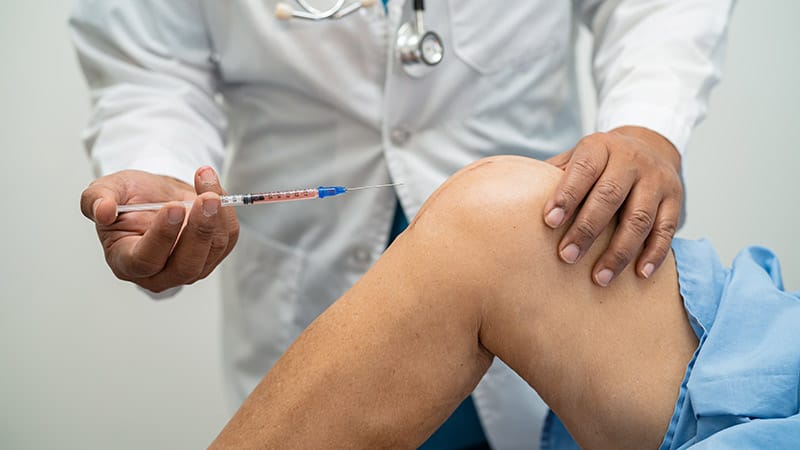
Joint pain can disrupt even the simplest daily activities, from walking and bending to working and sleeping comfortably. For many individuals, especially those dealing with chronic inflammation or injury, cortisone injections provide fast and effective relief. At First Point MD in Floral Park, NY, these injections are commonly used to reduce pain, improve mobility, and enhance overall quality of life.
However, while cortisone injections are highly effective, proper recovery and aftercare are essential to ensure long-lasting results and prevent complications. Understanding what to expect after the procedure and how to care for your body can make a significant difference in your healing process.
This guide will walk you through everything you need to know about cortisone injections, including how they work, what to expect, and the most important recovery tips to follow.
What Are Cortisone Injections?
Cortisone injections are anti-inflammatory treatments that deliver corticosteroid medication directly into a painful or inflamed joint. These injections are commonly used to treat conditions such as arthritis, tendonitis, bursitis, and other joint-related issues.
The goal of cortisone injections is to reduce inflammation, which is often the root cause of pain. By targeting the affected area directly, the medication works quickly and efficiently, often providing relief within a few days.
How Cortisone Injections Work
Corticosteroids mimic the effects of hormones naturally produced by the adrenal glands. When injected into a joint, they:
- Reduce inflammation
- Decrease swelling
- Relieve pain
- Improve joint function
In many cases, patients experience noticeable improvement within 24 to 72 hours, although full effects may take up to a week.
Conditions Treated with Cortisone Injections
Cortisone injections are widely used for a variety of joint and musculoskeletal conditions, including:
- Osteoarthritis
- Rheumatoid arthritis
- Tendonitis
- Bursitis
- Frozen shoulder
- Knee pain
- Hip joint inflammation
These injections are often recommended when other treatments, such as physical therapy or oral medications, have not provided sufficient relief.
What to Expect During the Procedure
The procedure is relatively quick and typically performed in a clinical setting. Here’s what usually happens:
- The area is cleaned and sterilized
- A local anesthetic may be applied
- The cortisone injection is administered directly into the joint
- A bandage is applied
Most patients report minimal discomfort during the procedure, and it usually takes only a few minutes to complete.
Immediate Aftercare: The First 24–48 Hours
The first two days after receiving a cortisone injection are crucial for recovery. During this time, your body begins responding to the medication.
Rest the Affected Joint
Avoid strenuous activities or heavy lifting. Giving your joint time to rest helps the medication settle and reduces the risk of irritation.
Apply Ice if Needed
Mild swelling or discomfort at the injection site is normal. Applying an ice pack for 10–15 minutes can help reduce inflammation.
Avoid Heat and Hot Showers
Heat can increase blood flow and potentially worsen swelling. Stick to cool or lukewarm temperatures during this period.
Common Side Effects to Watch For
While cortisone injections are generally safe, some mild side effects may occur:
- Temporary pain or swelling
- Skin discoloration at the injection site
- Facial flushing
- Mild increase in blood sugar levels
These effects are usually short-lived and resolve on their own. However, if you experience severe pain, fever, or signs of infection, seek medical attention immediately.
Recovery Tips for Long-Lasting Relief
To get the most out of your cortisone injection, follow these essential recovery tips:
Gradually Return to Activity
After the initial rest period, slowly resume normal activities. Avoid jumping back into intense exercise too quickly.
Follow a Physical Therapy Plan
Your doctor may recommend physical therapy to strengthen muscles around the joint and improve mobility.
Maintain a Healthy Weight
Excess weight puts additional stress on joints, especially knees and hips. Maintaining a healthy weight can enhance the effectiveness of the injection.
Stay Active, But Smartly
Low-impact exercises like walking, swimming, or cycling can help keep joints flexible without causing strain.
Use Supportive Devices if Needed
Braces, orthotics, or supportive footwear can help protect the joint and prevent further injury.
Aftercare Essentials for Optimal Healing
Proper aftercare goes beyond the first few days. Long-term habits play a major role in maintaining joint health.
Stick to Doctor’s Instructions
Always follow the guidance provided by your healthcare provider. This includes medication schedules, activity restrictions, and follow-up appointments.
Monitor Your Symptoms
Keep track of how your joint feels over time. Note any improvements or recurring pain.
Avoid Overuse
Even if you start feeling better, avoid overusing the joint. Overexertion can reduce the effectiveness of the injection.
How Long Do Cortisone Injections Last?
The duration of relief varies from person to person. Some patients experience relief for several weeks, while others may benefit for several months.
Factors that influence effectiveness include:
- Severity of the condition
- Activity level
- Overall health
- Adherence to aftercare recommendations
In some cases, repeat injections may be recommended, but they are typically limited to avoid potential side effects.
Who Should Consider Cortisone Injections?
Cortisone injections may be a good option if you:
- Have persistent joint pain
- Have not responded to other treatments
- Want to delay or avoid surgery
- Need quick relief to improve daily function
A consultation with a qualified healthcare provider at First Point MD can help determine if this treatment is right for you.
When to Avoid Cortisone Injections
While effective, cortisone injections are not suitable for everyone. They may not be recommended if you:
- Have an active infection
- Are allergic to corticosteroids
- Have certain medical conditions that may increase risks
Your doctor will evaluate your medical history before recommending this treatment.
Benefits of Cortisone Injections
Cortisone injections offer several advantages:
- Fast pain relief
- Targeted treatment
- Minimally invasive
- Reduced need for oral medications
- Improved mobility and quality of life
These benefits make them a popular choice for managing joint pain.
Risks and Limitations
Like any medical treatment, cortisone injections have limitations:
- Temporary relief (not a permanent cure)
- Limited number of injections per year
- Possible weakening of tissues with repeated use
Understanding these factors helps set realistic expectations.
Combining Cortisone Injections with Other Treatments
For best results, cortisone injections are often combined with:
- Physical therapy
- Lifestyle changes
- Pain management strategies
- Exercise programs
This comprehensive approach ensures long-term joint health.
Final Thoughts
Cortisone injections are a powerful and effective solution for joint pain relief. When combined with proper recovery and aftercare, they can significantly improve your comfort, mobility, and overall quality of life.
At First Point MD in Floral Park, NY, expert care ensures that each patient receives personalized treatment tailored to their specific needs. By following the recommended recovery tips and aftercare essentials, you can maximize the benefits of your cortisone injection and enjoy lasting relief.
If joint pain has been holding you back, taking the right steps today can lead to a more active and pain-free tomorrow.