
Athletes at every level—from weekend fitness enthusiasts to competitive professionals—understand that injuries and physical setbacks are part of an active lifestyle. However, true recovery doesn’t end when pain fades or movement returns. Optimal athletic health requires a comprehensive approach that goes beyond physical rehabilitation alone.
At First Point MD, we emphasize whole-person care. This article explores how combining rehabilitation with nutrition and lifestyle supports optimal athletic health, improves recovery outcomes, and helps athletes return stronger, more resilient, and better prepared for long-term performance.
Understanding the Foundations of Athletic Health
Athletic health is built on the integration of physical conditioning, injury prevention, recovery, and overall wellness. When one component is overlooked, performance and longevity suffer.
Core pillars of athletic health include:
-
Musculoskeletal strength and mobility
-
Cardiovascular endurance
-
Proper nutrition and hydration
-
Adequate recovery and sleep
-
Mental and emotional well-being
Rehabilitation, nutrition, and lifestyle habits work best when aligned.
The Role of Rehabilitation in Athletic Recovery
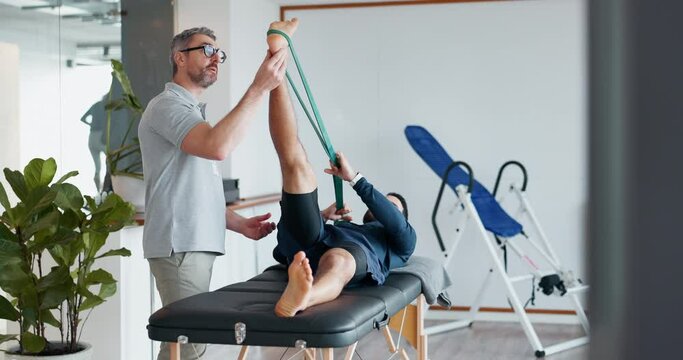
Rehabilitation focuses on restoring function after injury, surgery, or overuse. It addresses pain, weakness, reduced mobility, and biomechanical imbalances.
Goals of Athletic Rehabilitation
Rehabilitation aims to:
-
Reduce pain and inflammation
-
Restore range of motion
-
Rebuild strength and stability
-
Correct movement patterns
-
Prevent reinjury
At First Point MD, rehabilitation plans are personalized and guided by medical professionals.
Why Rehabilitation Alone Is Not Enough
While rehabilitation is essential, it cannot fully support recovery without proper nutrition and healthy lifestyle habits. Muscles, tendons, and bones require the right nutrients and recovery conditions to heal.
Without supportive habits, athletes may experience:
-
Delayed healing
-
Persistent inflammation
-
Recurrent injuries
-
Reduced performance
This is why an integrated approach is critical.
Nutrition: Fueling Recovery and Performance
Nutrition plays a vital role in tissue repair, energy production, and immune function. During rehabilitation, nutritional needs often increase.
Key Nutrients for Athletic Recovery
Important nutrients include:
-
Protein: Supports muscle repair and growth
-
Carbohydrates: Replenish energy stores
-
Healthy fats: Reduce inflammation
-
Vitamins and minerals: Support healing and immunity
Balanced nutrition accelerates recovery and enhances rehabilitation outcomes.
The Importance of Protein in Rehabilitation
Protein is especially critical for injured athletes. It provides amino acids needed for muscle and connective tissue repair.
Recommended protein sources include:
-
Lean meats and poultry
-
Fish and seafood
-
Eggs
-
Dairy products
-
Plant-based proteins
Adequate protein intake helps preserve muscle mass during periods of reduced activity.
Hydration and Athletic Recovery
Hydration affects circulation, joint lubrication, and nutrient delivery. Even mild dehydration can impair healing and performance.
Athletes should:
-
Drink water consistently throughout the day
-
Replace electrolytes after intense activity
-
Monitor urine color as a hydration indicator
Proper hydration supports rehabilitation progress and reduces injury risk.
Lifestyle Factors That Influence Athletic Health
Lifestyle habits play a powerful role in recovery and long-term athletic success.
Sleep and Recovery
Sleep is when the body repairs itself. Growth hormone release during deep sleep supports tissue healing.
Poor sleep can lead to:
-
Slower recovery
-
Increased injury risk
-
Reduced coordination and reaction time
Prioritizing sleep is essential for athletic health.
Stress Management and Mental Well-Being
Chronic stress elevates cortisol levels, which can interfere with healing and muscle growth.
Stress management techniques include:
-
Mindfulness or meditation
-
Controlled breathing exercises
-
Balanced training schedules
Mental health support is an often-overlooked component of athletic recovery.
The Role of Lifestyle in Injury Prevention
Healthy lifestyle choices help prevent future injuries by improving resilience and recovery capacity.
Protective habits include:
-
Gradual training progression
-
Proper warm-ups and cooldowns
-
Balanced nutrition
-
Consistent sleep routines
Combining these habits with rehabilitation strengthens long-term outcomes.
Integrating Rehabilitation, Nutrition, and Lifestyle
The most effective recovery plans address all aspects of health.
A Multidisciplinary Approach
At First Point MD, optimal athletic health is supported through:
| Component | Benefit |
|---|---|
| Rehabilitation | Restores function and mobility |
| Nutrition guidance | Accelerates healing |
| Lifestyle coaching | Enhances recovery and resilience |
This integrated approach improves performance and reduces reinjury risk.
Special Considerations for Different Athletes
Recovery needs vary based on age, sport, and activity level.
-
Younger athletes: Focus on growth, technique, and injury prevention
-
Adult recreational athletes: Balance recovery with work and family demands
-
Older athletes: Prioritize joint health, mobility, and strength maintenance
Personalized care ensures appropriate support at every stage.
When to Seek Professional Guidance
Athletes should seek medical evaluation if they experience:
-
Persistent pain or swelling
-
Limited range of motion
-
Recurrent injuries
-
Delayed recovery
Early intervention improves outcomes and prevents chronic issues.
How First Point MD Supports Athletic Health
First Point MD offers comprehensive care designed to support athletes throughout recovery and performance optimization, including:
-
Injury evaluation and rehabilitation planning
-
Nutrition and lifestyle guidance
-
Ongoing monitoring and adjustment
-
Preventive care and education
Our patient-centered approach helps athletes return to activity safely and confidently.
Frequently Asked Questions
Can nutrition really impact injury recovery?
Yes. Proper nutrition provides the building blocks for tissue repair and reduces inflammation.
How long does athletic rehabilitation take?
Recovery time varies based on injury severity, adherence, and overall health.
Is rest as important as exercise during recovery?
Absolutely. Rest allows tissues to heal and prevents overuse injuries.
Should athletes modify training during rehabilitation?
Yes. Training should be adjusted to support healing and avoid reinjury.
Conclusion
Athletic recovery is most effective when rehabilitation, nutrition, and lifestyle habits work together. Focusing on just one element limits healing and increases the risk of future sports injury. Understanding how combining rehabilitation with nutrition and lifestyle supports optimal athletic health empowers athletes to recover fully and perform at their best.
At First Point MD, we take a comprehensive approach to athletic health—helping athletes heal, strengthen, and thrive through every stage of their active journey.
If you’re recovering from an injury or looking to improve long-term athletic health, the experienced team at First Point MD is here to help.