

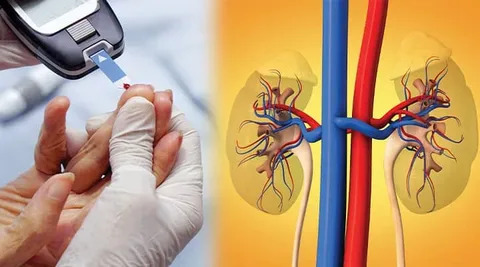
Diabetes is one of the leading causes of kidney disease worldwide. Many people living with diabetes eventually ask an important question: can diabetic kidney disease be reversed? While the answer depends on the stage of the condition, the good news is that early detection, proper treatment, and healthy lifestyle changes can significantly slow progression and protect kidney function.
Diabetic kidney disease—also called diabetic nephropathy—develops when high blood sugar damages the tiny blood vessels inside the kidneys. Over time, this damage affects the kidneys’ ability to filter waste from the blood.
However, with modern medical treatments and proactive lifestyle changes, many people can manage the disease effectively. In some early cases, kidney damage can even improve.
This guide explains treatment options, prevention strategies, and lifestyle changes that help protect kidney health and improve quality of life.
Understanding Diabetic Kidney Disease
What Is Diabetic Kidney Disease?
Diabetic kidney disease is a chronic condition that occurs when diabetes damages the kidneys’ filtering units, known as glomeruli. These tiny structures filter waste and extra fluid from the blood.
When high blood sugar persists over time, it puts pressure on these filters, causing them to weaken. As a result, protein begins leaking into the urine—a key sign of kidney damage.
According to the National Institute of Diabetes and Digestive and Kidney Diseases, diabetic kidney disease affects nearly 1 in 3 adults with diabetes.
How Diabetes Affects the Kidneys
When glucose levels remain high, several harmful changes occur inside the kidneys:
-
Blood vessels become thick and scarred
-
Filtering ability decreases
-
Protein leaks into urine
-
Waste builds up in the bloodstream
Over time, these changes may lead to chronic kidney disease (CKD) or even kidney failure if untreated.
Stages of Diabetic Kidney Disease
Doctors classify the condition into several stages:
| Stage | Description |
|---|---|
| Stage 1 | Mild kidney damage but normal filtration |
| Stage 2 | Slight decline in kidney function |
| Stage 3 | Moderate kidney damage |
| Stage 4 | Severe kidney damage |
| Stage 5 | Kidney failure requiring dialysis or transplant |
Early stages often show few or no symptoms, which is why regular screening is essential.
Can Diabetic Kidney Disease Be Reversed?
Early Stage Reversal Possibilities
Many patients wonder if diabetic kidney disease can be reversed. The answer depends largely on timing.
In early stages, kidney damage may be partially reversible if the following actions are taken quickly:
-
Strict blood sugar control
-
Blood pressure management
-
Kidney-protective medications
-
Lifestyle improvements
When these measures are implemented early, the kidneys may recover some of their filtering capacity.
Why Advanced Kidney Damage Is Hard to Reverse
Once kidney tissue becomes heavily scarred, the damage is usually permanent. In later stages:
-
Filtering units are permanently damaged
-
Scar tissue replaces healthy kidney tissue
-
Kidney function declines steadily
However, treatment can still slow disease progression and prevent complications.
The Importance of Early Detection
Early diagnosis dramatically improves outcomes.
Doctors recommend routine screening for people with diabetes, including:
-
Urine albumin test
-
Blood creatinine test
-
eGFR measurement
These tests help detect kidney damage before symptoms appear, allowing treatment to begin sooner.
Symptoms and Warning Signs
Early Symptoms
Diabetic kidney disease often develops silently. Early symptoms may include:
-
Slight swelling in ankles or feet
-
Increased urination
-
Fatigue
-
High blood pressure
-
Protein in urine
Because these symptoms can be mild, many patients don’t notice them.
Advanced Symptoms
As kidney damage progresses, symptoms may become more serious:
-
Persistent swelling
-
Nausea and vomiting
-
Loss of appetite
-
Muscle cramps
-
Difficulty concentrating
-
Shortness of breath
At this stage, immediate medical care is essential.
Major Risk Factors for Diabetic Kidney Disease
Poor Blood Sugar Control
High glucose levels are the primary cause of kidney damage in diabetes. Consistently elevated blood sugar injures the delicate filtering structures in the kidneys.
Maintaining healthy blood sugar levels greatly reduces the risk of complications.
High Blood Pressure
High blood pressure puts extra strain on kidney blood vessels. When combined with diabetes, it accelerates kidney damage.
Managing blood pressure is therefore critical for kidney protection.
Genetic and Lifestyle Factors
Other contributing risk factors include:
-
Family history of kidney disease
-
Smoking
-
Obesity
-
High-sodium diet
-
Lack of exercise
-
Long duration of diabetes
Addressing these risk factors can significantly reduce complications.
Medical Treatment Options
Blood Sugar Management
Controlling blood sugar is the cornerstone of treatment.
Doctors often recommend:
-
Insulin therapy
-
Oral diabetes medications
-
Continuous glucose monitoring
-
Dietary adjustments
Keeping HbA1c levels within target range slows kidney damage.
Blood Pressure Medications
Certain blood pressure medications protect kidney function.
Common options include:
-
ACE inhibitors
-
ARBs (angiotensin receptor blockers)
These medications reduce pressure in the kidney filters and prevent protein leakage.
Kidney-Protective Medications
Recent advances in diabetes treatment have introduced medications specifically designed to protect kidney health.
Examples include:
-
SGLT2 inhibitors
-
GLP-1 receptor agonists
These drugs improve blood sugar control while reducing kidney stress.
Lifestyle Changes That Protect the Kidneys
Lifestyle choices play a powerful role in managing diabetic kidney disease.
Healthy Diet for Kidney Support
A kidney-friendly diet may include:
-
Low sodium foods
-
Lean proteins
-
Whole grains
-
Fresh vegetables
-
Healthy fats
Limiting processed foods helps reduce kidney strain.
Patients should also monitor:
-
Potassium intake
-
Phosphorus levels
-
Protein portions
A registered dietitian can create a personalized meal plan.
Physical Activity and Weight Management
Regular exercise helps:
-
Improve insulin sensitivity
-
Lower blood pressure
-
Maintain healthy weight
-
Improve circulation
Experts recommend 150 minutes of moderate exercise weekly.
Examples include:
-
Walking
-
Cycling
-
Swimming
-
Yoga
Hydration and Avoiding Harmful Substances
Proper hydration helps kidneys filter waste efficiently.
Patients should also avoid:
-
Smoking
-
Excess alcohol
-
Overuse of pain medications
-
High-sodium foods
These substances can accelerate kidney damage.
Monitoring and Diagnostic Tests
Routine testing helps doctors track kidney health.
Urine Albumin Test
This test measures protein in the urine, which is often the earliest sign of kidney damage.
eGFR Blood Test
The estimated glomerular filtration rate (eGFR) shows how well the kidneys filter blood.
Lower values indicate declining kidney function.
Regular Medical Checkups
People with diabetes should receive kidney screening at least once per year.
Regular monitoring allows healthcare providers to adjust treatment early.
Preventing Diabetic Kidney Disease
Early Diabetes Management
The best strategy is preventing kidney damage before it starts.
Effective diabetes management includes:
-
Monitoring blood sugar
-
Taking medications as prescribed
-
Following a healthy diet
Controlling Blood Pressure
Maintaining blood pressure below 130/80 mmHg significantly lowers kidney risk.
Reducing salt intake also helps maintain healthy levels.
Healthy Lifestyle Habits
Protective habits include:
-
Regular exercise
-
Maintaining healthy weight
-
Avoiding tobacco
-
Managing stress
Small lifestyle improvements can produce significant long-term health benefits.
Living Well with Diabetic Kidney Disease
Emotional and Mental Health
A chronic condition can affect emotional well-being.
Patients may experience:
-
Stress
-
Anxiety
-
Fear about the future
Counseling, support groups, and education programs can help individuals cope effectively.
Support from Healthcare Providers
A multidisciplinary healthcare team may include:
-
Primary care physicians
-
Endocrinologists
-
Nephrologists
-
Dietitians
Working together, these professionals develop personalized treatment plans.
Frequently Asked Questions
Can diabetic kidney disease be reversed completely?
In early stages, kidney damage may improve if blood sugar and blood pressure are well controlled. However, advanced stages usually cannot be fully reversed.
How long does it take for diabetic kidney disease to develop?
Kidney damage typically develops after 10–20 years of uncontrolled diabetes, though early screening can detect problems sooner.
What is the first sign of diabetic kidney disease?
Protein in the urine is often the earliest sign. This is usually detected through routine medical tests.
Can drinking water improve kidney function?
Proper hydration supports kidney health but cannot reverse advanced kidney damage. It works best alongside medical treatment and healthy habits.
What foods should people with diabetic kidney disease avoid?
Common foods to limit include:
-
High-sodium processed foods
-
Sugary beverages
-
Excess red meat
-
High-phosphorus foods
A dietitian can recommend a balanced plan.
Is dialysis always required for diabetic kidney disease?
No. Dialysis is only required in end-stage kidney failure. Early treatment often prevents the disease from reaching that stage.
Conclusion
So, can diabetic kidney disease be reversed? In many cases, especially when detected early, kidney damage can improve or stabilize with proper treatment and lifestyle changes.
Key strategies include:
-
Strict blood sugar control
-
Blood pressure management
-
Kidney-protective medications
-
Healthy diet and exercise
-
Regular medical monitoring
With the right care and proactive habits, people living with diabetes can protect their kidneys and maintain a healthy, active life.
Healthcare providers at First Point MD emphasize early screening, personalized treatment plans, and patient education to help individuals manage diabetes and prevent complications.
Taking action today can make a powerful difference in long-term kidney health.