

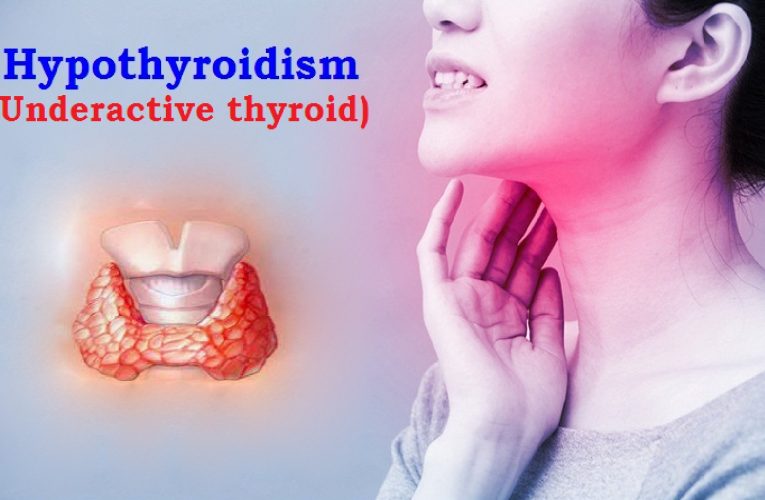
When it comes to heart health, most people think about cholesterol, blood pressure, or stress. However, one small butterfly-shaped gland in your neck can quietly influence your heartbeat in powerful ways. Yes, we’re talking about the thyroid. Many patients at First Point MD often ask: Can an underactive thyroid cause irregular heartbeats or skipped beats? The short answer is yes — but the full explanation is more detailed and important than you might expect.
An underactive thyroid, medically known as hypothyroidism, affects how your body uses energy. Because the thyroid hormone plays a vital role in regulating metabolism, it directly impacts heart rate, rhythm, and overall cardiovascular function. When thyroid hormone levels drop too low, your heart may respond in unexpected ways — including slow heart rate, palpitations, or even irregular rhythms.
Let’s explore how this connection works, what symptoms to watch for, and when you should seek medical care.
Understanding the Thyroid and Its Role in Heart Function
The thyroid gland produces two key hormones: T3 (triiodothyronine) and T4 (thyroxine). These hormones regulate metabolism, body temperature, energy levels, and — importantly — heart function.
Your heart relies on thyroid hormones to:
-
Maintain a steady heart rate
-
Support proper electrical signaling
-
Control blood vessel resistance
-
Regulate blood pressure
When thyroid hormone levels fall, the body slows down. This slowdown doesn’t just make you feel tired — it can also affect how your heart beats.
What Is an Underactive Thyroid (Hypothyroidism)?
Hypothyroidism occurs when the thyroid gland does not produce enough hormones. It develops gradually and may go unnoticed for months or even years.
Common causes include:
-
Autoimmune conditions (such as Hashimoto’s thyroiditis)
-
Thyroid surgery
-
Radiation therapy
-
Certain medications
-
Iodine deficiency
Symptoms often include:
-
Fatigue
-
Weight gain
-
Cold sensitivity
-
Depression
-
Constipation
-
Dry skin
-
Slower heart rate
But many people are surprised to learn that heart rhythm changes can also occur.
Can an Underactive Thyroid Cause Irregular Heartbeats or Skipped Beats?
Yes, it can — although the mechanism differs from an overactive thyroid.
In hypothyroidism, the most common heart-related effects include:
Bradycardia (Slow Heart Rate)
Low thyroid hormone levels slow down the electrical impulses that regulate heartbeat. This can lead to a resting heart rate below 60 beats per minute in some individuals.
Premature Beats (Skipped Beats)
Some patients report feeling a flutter, pause, or “skipped beat.” These are often premature atrial or ventricular contractions. While they may be harmless, they should still be evaluated.
Increased Risk of Heart Rhythm Disturbances
Severe untreated hypothyroidism can affect the heart’s electrical system, potentially contributing to arrhythmias.
Fluid Around the Heart (Pericardial Effusion)
In rare cases, fluid may accumulate around the heart, affecting its function.
While irregular heartbeats are more commonly associated with hyperthyroidism (overactive thyroid), hypothyroidism can also influence rhythm — especially if left untreated.
Why Does Hypothyroidism Affect the Heart?
The heart is a muscle that depends heavily on metabolic activity. Thyroid hormones help regulate:
-
Calcium flow in heart cells
-
Electrical conduction pathways
-
Blood vessel tone
-
Cholesterol metabolism
When hormone levels drop:
-
The heart pumps less efficiently
-
Blood pressure may increase (especially diastolic pressure)
-
Cholesterol levels often rise
Over time, these changes may increase cardiovascular risk.
Symptoms That May Suggest Thyroid-Related Heart Issues
If you have an underactive thyroid and experience the following, it’s important to seek evaluation:
-
Persistent fatigue with palpitations
-
Feeling lightheaded or dizzy
-
Shortness of breath
-
Swelling in the legs
-
Chest discomfort
-
Noticeably slow pulse
Even subtle symptoms shouldn’t be ignored. Sometimes people dismiss skipped beats as anxiety or stress, when an underlying thyroid imbalance may be contributing.
Who Is at Higher Risk?
Certain individuals are more vulnerable to heart rhythm changes related to hypothyroidism:
-
Adults over age 60
-
Women (thyroid disorders are more common in females)
-
Individuals with autoimmune conditions
-
Patients with existing heart disease
-
People with high cholesterol
Because thyroid and heart health are closely connected, routine screening may be recommended if you fall into these categories.
How Is the Condition Diagnosed?
Diagnosis typically involves blood testing. Your healthcare provider will measure:
-
TSH (Thyroid Stimulating Hormone)
-
Free T4
-
Sometimes Free T3
An elevated TSH level with low T4 confirms hypothyroidism.
If irregular heartbeats are present, additional tests may include:
-
Electrocardiogram (ECG)
-
Holter monitor
-
Echocardiogram
-
Lipid panel
Early detection allows for effective treatment and reduces long-term risks.
Treatment Options
The standard treatment for hypothyroidism is thyroid hormone replacement therapy, typically with levothyroxine.
Once hormone levels normalize:
-
Heart rate usually improves
-
Palpitations decrease
-
Cholesterol levels may drop
-
Energy levels rise
It’s important to start treatment gradually, especially in patients with underlying heart disease. Sudden increases in thyroid hormone can strain the heart.
Follow-up blood tests are necessary to ensure proper dosing.
When to Seek Immediate Medical Attention
While many cases are mild, seek urgent care if you experience:
-
Severe chest pain
-
Fainting
-
Sudden shortness of breath
-
Rapid worsening of palpitations
These symptoms may indicate a more serious cardiac issue requiring prompt evaluation.
Preventing Complications
The best prevention strategy is routine screening and early treatment.
Helpful steps include:
-
Regular thyroid function testing if you have symptoms
-
Managing cholesterol levels
-
Maintaining a heart-healthy diet
-
Staying physically active
-
Avoiding smoking
-
Following prescribed medications consistently
Monitoring both thyroid and heart health ensures a comprehensive approach to wellness.
Final Thoughts
So, can an underactive thyroid cause irregular heartbeats or skipped beats? Absolutely — though it may not be the first cause that comes to mind. Hypothyroidism slows metabolism, and that slowdown can affect heart rate, rhythm, and overall cardiovascular health.
The good news is that thyroid-related heart rhythm changes are often reversible with proper treatment. Early diagnosis makes a significant difference.
If you’re experiencing unexplained palpitations, fatigue, or changes in heart rhythm, it’s wise to consult a healthcare professional. At First Point MD, comprehensive evaluations help identify the root cause and create personalized treatment plans that support both thyroid and heart health.
Your heart and thyroid work together more closely than you might think — and taking care of one means protecting the other.