
Introduction
Antibiotics have saved millions of lives since their discovery, transforming modern medicine and making once-deadly infections treatable. However, their effectiveness is now under serious threat. Antimicrobial resistance(AMR)—a growing global health crisis—occurs when bacteria, viruses, fungi, and parasites evolve to resist the drugs designed to kill them. At the center of this problem lies a critical but often overlooked factor: antibiotic misuse awareness.
The missing link in the fight against antimicrobial resistance is not just scientific innovation, but informed behavior—from both healthcare providers and patients. At First Point MD, raising awareness about responsible antibiotic use is essential to protecting public health today and for future generations.
Understanding Antimicrobial Resistance
Antimicrobial resistance happens when microorganisms adapt and survive exposure to medications that once eliminated them. Over time, these resistant strains multiply, rendering standard treatments ineffective.
AMR affects not only hospitals but also communities. Resistant infections can lead to longer illnesses, increased medical costs, extended hospital stays, and higher mortality rates. According to global health authorities, antimicrobial resistance is one of the top threats to human health worldwide.
How Antibiotics Work—and Why They Stop Working
Antibiotics target specific bacterial processes, such as cell wall formation or protein synthesis. When used correctly, they eliminate harmful bacteria while allowing the immune system to recover.
Problems arise when antibiotics are:
-
Taken unnecessarily
-
Used for viral infections like colds or flu
-
Not taken as prescribed
-
Shared or saved for later use
These practices expose bacteria to sub-lethal doses, allowing them to adapt and develop resistance. Once resistance develops, those antibiotics become less effective—or completely useless.
Antibiotic Misuse: A Widespread Issue
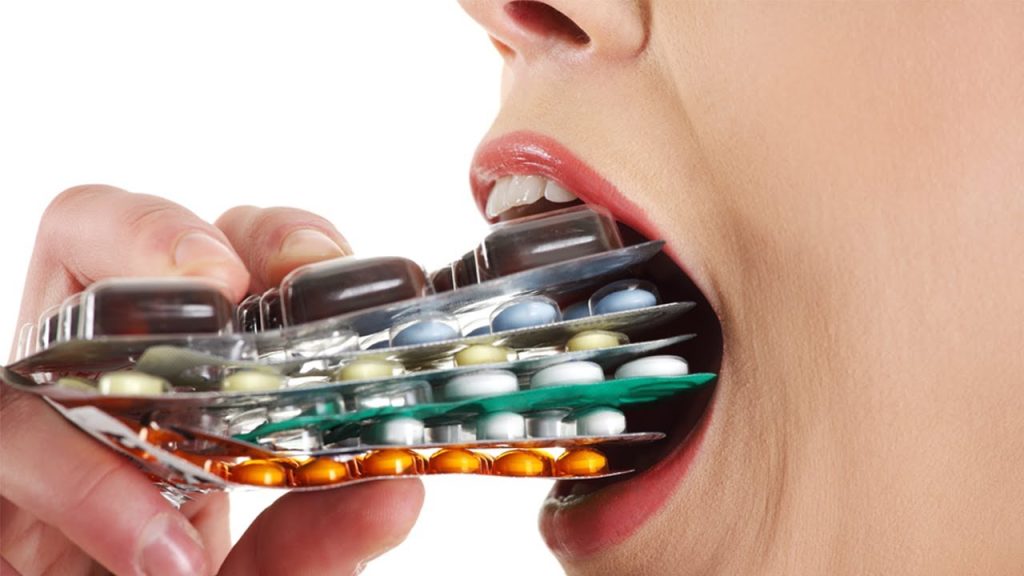
Antibiotic misuse occurs across multiple settings, including outpatient clinics, hospitals, agriculture, and even at home. Common forms of misuse include:
-
Overprescribing: Antibiotics given when they’re not medically necessary
-
Under-prescribing: Incorrect dosage or duration
-
Self-medication: Taking antibiotics without medical advice
-
Poor adherence: Stopping treatment early when symptoms improve
In many cases, misuse is driven by lack of awareness rather than bad intentions. Patients often expect antibiotics for quick relief, while providers may feel pressured to prescribe them.
Why Awareness Is the Missing Link
While policies, surveillance, and drug development are crucial, awareness is the foundation of effective antimicrobial stewardship. Without understanding the consequences of misuse, behavior is unlikely to change.
Awareness helps:
-
Patients understand when antibiotics are necessary—and when they’re not
-
Providers make evidence-based prescribing decisions
-
Communities reduce the spread of resistant infections
Education bridges the gap between medical knowledge and real-world practice.
The Role of Healthcare Providers
Healthcare professionals are on the front lines of antimicrobial resistance prevention. Their role goes beyond prescribing medications.
Key responsibilities include:
-
Educating patients about proper antibiotic use
-
Explaining why antibiotics may not be needed
-
Prescribing the right drug, dose, and duration
-
Staying updated on resistance trends
At First Point MD, clinicians prioritize patient education and responsible prescribing to ensure antibiotics remain effective for those who truly need them.
Patient Responsibility in Antibiotic Use
Patients also play a vital role in combating antimicrobial resistance. Small, informed choices can make a significant difference.
Patients should:
-
Take antibiotics exactly as prescribed
-
Never demand antibiotics for viral illnesses
-
Avoid sharing or reusing leftover medications
-
Complete the full course, even if symptoms improve
Understanding that “stronger” or “faster” isn’t always better is key to responsible healthcare decisions.
Antimicrobial Resistance in Everyday Healthcare
AMR impacts routine medical care more than many people realize. Procedures such as surgeries, chemotherapy, organ transplants, and even minor wound care rely on effective antibiotics to prevent infection.
When antibiotics fail:
-
Common infections become harder to treat
-
Medical procedures become riskier
-
Healthcare costs increase
-
Recovery times lengthen
This makes antimicrobial resistance not just a future concern, but a present-day challenge.
The Global and Community Impact
Antimicrobial resistance doesn’t respect borders. Resistant pathogens spread through travel, food systems, and community contact. What starts as misuse in one setting can become a global problem.
Communities with limited access to healthcare are especially vulnerable, as resistant infections are harder and more expensive to treat. Awareness campaigns at the local level—like those supported by primary care providers—are essential for global impact.
Antibiotic Stewardship Programs
Antibiotic stewardship programs are coordinated efforts designed to optimize antibiotic use. These programs focus on:
-
Improving prescribing practices
-
Monitoring resistance patterns
-
Educating providers and patients
-
Reducing unnecessary antibiotic exposure
Primary care clinics, such as First Point MD, play a crucial role by implementing stewardship principles in everyday patient care.
The Role of Preventive Care
Preventing infections reduces the need for antibiotics in the first place. Preventive strategies include:
-
Vaccinations
-
Proper hand hygiene
-
Safe food handling
-
Chronic disease management
By focusing on prevention, healthcare providers can significantly reduce antibiotic demand and slow resistance development.
Technology and Research in the Fight Against AMR
Advancements in diagnostics help distinguish between bacterial and viral infections more accurately, reducing unnecessary prescriptions. Ongoing research is also exploring new antimicrobial agents and alternative therapies.
However, innovation alone is not enough. Without proper use, even new antibiotics will eventually face resistance.
How First Point MD Supports Antibiotic Awareness
At First Point MD, patient education is central to quality care. Providers take time to explain diagnoses, treatment options, and the reasoning behind prescribing—or not prescribing—antibiotics.
By fostering open communication and trust, First Point MD helps patients make informed decisions that protect both individual and public health.
Frequently Asked Questions (FAQs)
What is antimicrobial resistance in simple terms?
Antimicrobial resistance occurs when germs change and no longer respond to medicines designed to kill them, making infections harder to treat.
Can antibiotic resistance affect healthy people?
Yes. Anyone can get a resistant infection, even if they are generally healthy.
Are antibiotics effective against viruses?
No. Antibiotics only treat bacterial infections, not viral illnesses like colds, flu, or COVID-19.
Why do doctors sometimes refuse to prescribe antibiotics?
If an infection is viral or likely to resolve on its own, antibiotics won’t help and could cause harm.
Is it dangerous to stop antibiotics early?
Yes. Stopping early can allow surviving bacteria to become resistant and cause recurrent infections.
How can I help prevent antimicrobial resistance?
Use antibiotics responsibly, follow prescriptions exactly, and focus on preventive care.
Conclusion
Antimicrobial resistance is one of the most pressing health challenges of our time, but it is not unbeatable. The true missing link lies in awareness of antibiotic misuse—understanding when antibiotics are needed, how they should be used, and why restraint matters.
By working together—patients, providers, and healthcare systems—we can preserve the power of antibiotics for future generations. At First Point MD, commitment to education, prevention, and responsible care remains at the heart of protecting community health.