

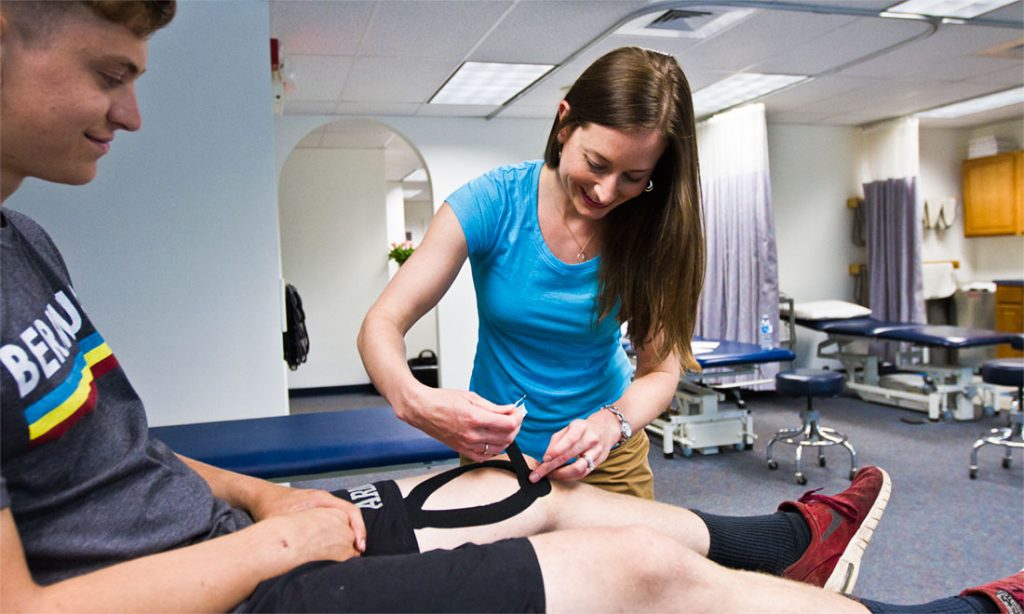
Sports injuries are common among athletes and physically active individuals. Whether someone participates in competitive sports or enjoys recreational fitness activities, the risk of injury is always present. However, modern sports medicine has introduced advanced approaches to reduce injuries and improve recovery outcomes. One of the most important concepts in this field is biomechanics.
Biomechanics plays a vital role in both sports injury rehabilitation and injury prevention. It focuses on how the body moves, how muscles and joints interact, and how forces affect movement. By understanding movement patterns, healthcare professionals can identify problems that lead to injuries and design targeted treatment plans.
At First Point MD, biomechanics is often integrated into rehabilitation programs to help athletes recover safely while reducing the risk of future injuries. This article explains what biomechanics is, why it matters in sports medicine, and how it helps athletes perform better and stay injury-free.
What Is Biomechanics?
Biomechanics is the scientific study of how the human body moves. It analyzes the mechanical principles that affect movement, including force, motion, balance, and muscle activity.
In sports medicine, biomechanics focuses on:
Joint movement
Muscle coordination
Body alignment
Posture during movement
Force distribution across the body
When athletes move incorrectly, certain joints or muscles may absorb too much stress. Over time, this can lead to injuries such as muscle strains, ligament tears, and joint damage.
Biomechanics helps professionals understand why an injury occurs and how to correct the underlying movement pattern.
Why Biomechanics Matters in Sports Medicine
Sports injuries are rarely caused by a single event. In many cases, they develop due to repetitive stress and improper movement patterns.
For example:
Poor running form can cause knee injuries
Incorrect lifting techniques may lead to back pain
Improper landing mechanics can result in ankle sprains
Biomechanics allows healthcare providers to identify these issues before they cause serious injury.
Key benefits of biomechanical analysis include:
Identifying faulty movement patterns
Improving athletic performance
Preventing recurring injuries
Enhancing rehabilitation outcomes
Promoting long-term joint health
By addressing the root cause of an injury, athletes can return to activity safely and confidently.
Common Sports Injuries Linked to Poor Biomechanics
Improper biomechanics often contribute to many common sports injuries.
Knee Injuries
The knee joint is highly vulnerable during sports activities. Poor alignment or weak hip muscles can place excessive stress on the knee.
Common knee injuries linked to biomechanics include:
Patellofemoral pain syndrome
ACL injuries
Meniscus tears
Correcting movement patterns can significantly reduce these risks.
Ankle Sprains
Ankle sprains frequently occur when athletes land improperly or have poor balance.
Biomechanical issues that contribute to ankle injuries include:
Weak stabilizing muscles
Poor foot alignment
Limited ankle mobility
Training programs focused on balance and strength can improve ankle stability.
Shoulder Injuries
Sports such as baseball, tennis, and swimming require repetitive shoulder movements.
Poor biomechanics in these sports may cause:
Rotator cuff injuries
Shoulder impingement
Labral tears
Proper technique and strengthening exercises help maintain shoulder health.
Lower Back Pain
Improper lifting mechanics or weak core muscles often lead to back injuries in athletes.
Biomechanical analysis helps identify issues such as:
Poor posture
Muscle imbalances
Limited spinal mobility
Correcting these problems improves both performance and safety.
Role of Biomechanics in Sports Injury Rehabilitation
When an athlete suffers an injury, rehabilitation focuses on more than just healing the damaged tissue. The goal is to restore proper movement and prevent the injury from happening again.
Biomechanics plays a central role in this process.
Identifying the Root Cause of Injury
Many rehabilitation programs begin with a biomechanical assessment. During this evaluation, healthcare providers observe how the athlete moves.
They may analyze:
Walking or running patterns
Jumping and landing techniques
Joint mobility
Muscle strength and coordination
This assessment helps determine the underlying cause of the injury.
Personalized Rehabilitation Plans
Once the movement problem is identified, therapists design a customized rehabilitation program.
These programs often include:
Strength training
Flexibility exercises
Balance training
Movement correction drills
By targeting specific weaknesses, rehabilitation becomes more effective.
Improving Muscle Coordination
Injuries often disrupt the normal coordination between muscles.
Biomechanics-based rehabilitation helps retrain the body to move efficiently again. This reduces stress on vulnerable areas and improves overall performance.
Safe Return to Sports
Returning to sports too soon can increase the risk of reinjury. Biomechanical analysis ensures that athletes regain proper movement before resuming full activity.
This approach protects athletes while helping them regain confidence in their abilities.
Biomechanics in Injury Prevention
Preventing injuries is just as important as treating them. Biomechanics allows healthcare providers to detect potential problems before they cause harm.
Movement Screening
Athletes often undergo movement screenings to evaluate flexibility, strength, and stability.
These screenings may include:
Squat analysis
Running gait evaluation
Jump and landing assessments
If abnormal movement patterns are detected, corrective exercises can be implemented early.
Strength and Conditioning Programs
Biomechanics helps design effective strength training programs that support healthy movement.
For example:
Core strengthening improves stability
Hip exercises reduce knee stress
Balance training prevents ankle injuries
Proper conditioning supports safer athletic performance.
Improving Athletic Technique
Technique plays a major role in injury prevention.
Biomechanical analysis can help athletes improve:
Running mechanics
Throwing motion
Jumping technique
Lifting form
Small adjustments in technique can significantly reduce stress on joints and muscles.
Reducing Overuse Injuries
Overuse injuries occur when repetitive movements place continuous stress on certain body parts.
Common overuse injuries include:
Tendinitis
Stress fractures
Shin splints
Biomechanics helps identify inefficient movements that cause repetitive strain.
Correcting these movements reduces long-term injury risk.
Technology Used in Biomechanical Analysis
Modern sports medicine uses advanced technology to analyze movement accurately.
Motion Capture Systems
Motion capture technology records detailed body movements using cameras and sensors. These systems allow specialists to evaluate joint angles and movement patterns with precision.
Force Plates
Force plates measure the amount of force generated during movements such as jumping or landing.
They help detect imbalances that could increase injury risk.
Video Gait Analysis
High-speed video analysis is commonly used to study running mechanics.
This technology helps identify issues such as:
Overstriding
Poor foot placement
Uneven weight distribution
Athletes can then adjust their technique based on the results.
The Role of Physical Therapy in Biomechanics
Physical therapists play an important role in applying biomechanics to sports rehabilitation.
Their responsibilities include:
Conducting movement assessments
Designing exercise programs
Teaching proper movement techniques
Monitoring recovery progress
Through guided therapy sessions, patients learn how to move more efficiently and safely.
This approach not only helps recovery but also strengthens the body against future injuries.
Benefits of Biomechanics for Athletes
Biomechanics offers numerous advantages for athletes of all levels.
Improved Performance
Efficient movement allows athletes to generate more power while using less energy.
Better biomechanics can lead to:
Faster running speeds
Higher jumps
Stronger athletic performance
Reduced Injury Risk
By correcting faulty movement patterns, athletes place less stress on vulnerable joints and tissues.
This significantly lowers the likelihood of injury.
Faster Recovery
Rehabilitation programs based on biomechanics target the true cause of injury, which helps patients recover more quickly.
Long-Term Joint Health
Maintaining proper alignment and movement reduces wear and tear on joints over time.
This is particularly important for athletes who plan to remain active throughout their lives.
When to Seek Biomechanical Evaluation
Athletes should consider a biomechanical assessment if they experience:
Frequent sports injuries
Persistent joint pain
Difficulty improving athletic performance
Recurring muscle strains
Poor posture during activity
Early evaluation can help identify problems before they become serious injuries.
Comprehensive Sports Care at First Point MD
At First Point MD, sports medicine specialists focus on comprehensive care that combines medical treatment, physical therapy, and biomechanical analysis.
Their goal is to help patients:
Recover safely from injuries
Improve movement efficiency
Prevent future injuries
Return to sports with confidence
Personalized treatment plans ensure that each patient receives care tailored to their specific needs and activity level.
Conclusion
Biomechanics has become an essential part of modern sports medicine. By studying how the body moves, healthcare professionals can identify the root causes of injuries and develop targeted solutions.
From rehabilitation after an injury to long-term prevention strategies, biomechanics plays a powerful role in protecting athletes and improving performance.
Through movement analysis, personalized therapy programs, and technique correction, athletes can recover more effectively and reduce the risk of future injuries.
For individuals seeking expert care and guidance, First Point MD offers comprehensive sports injury treatment and rehabilitation services designed to support safe recovery and optimal physical performance.