
Introduction
Sports injuries are an unfortunate reality for athletes at every level—from weekend runners to professional competitors. Whether it’s a torn ligament, muscle strain, or joint injury, recovery requires more than just rest. To return safely and effectively to competition, athletes often rely on personalized rehabilitation plans designed specifically for their injury, body mechanics, and sport.
Personalized rehabilitation has become a cornerstone of modern sports medicine. Unlike generic recovery programs, individualized plans consider factors such as injury type, athletic goals, movement patterns, and overall health. This approach not only speeds up recovery but also reduces the risk of future injuries and helps athletes regain peak performance.
Healthcare providers and rehabilitation specialists emphasize that effective recovery involves a combination of physical therapy, strength training, movement retraining, and psychological support. With the right rehabilitation strategy, athletes can recover stronger, more resilient, and better prepared for the demands of their sport.
This article explores how personalized rehabilitation programs work and why they are essential for helping athletes return to their highest level of performance.
Understanding Sports Rehabilitation
Sports rehabilitation is a specialized branch of healthcare focused on helping athletes recover from injuries and safely return to physical activity. The goal is not only to heal the injured area but also to restore the athlete’s strength, flexibility, endurance, and confidence.
In many cases, injuries can lead to muscle weakness, reduced mobility, and loss of conditioning. Without proper rehabilitation, these issues may increase the risk of re-injury or long-term complications.
Sports rehabilitation typically includes several key components:
Injury evaluation and diagnosis
Pain management techniques
Physical therapy exercises
Strength and conditioning programs
Movement retraining
Gradual return-to-play protocols
By addressing all aspects of recovery, rehabilitation helps athletes regain their full functional ability and return to their sport safely.
Why Personalized Rehabilitation Plans Matter
No two athletes—or injuries—are exactly the same. Even when athletes experience similar injuries, factors such as fitness level, age, sport demands, and biomechanics can significantly affect recovery.
Personalized rehabilitation plans are designed to address these individual differences.
Specialists evaluate multiple factors before designing a rehabilitation program, including:
Type and severity of injury
The athlete’s sport and position
Physical condition and training history
Strength and mobility limitations
Long-term performance goals
This individualized approach ensures that treatment targets the specific tissues, muscles, and movement patterns involved in the injury. As a result, athletes often experience faster recovery and better outcomes.
Generic rehabilitation programs may overlook critical factors that contribute to injury or performance limitations. Personalized programs, on the other hand, focus on correcting underlying problems while supporting full recovery.
Key Components of a Personalized Rehabilitation Plan
Effective sports rehabilitation programs typically include several essential components that work together to restore athletic performance.
Comprehensive Injury Assessment
The first step in any personalized rehabilitation plan is a detailed assessment of the injury.
Healthcare professionals evaluate:
Joint stability and mobility
Muscle strength and imbalances
Range of motion
Movement patterns and biomechanics
This evaluation helps identify the root cause of the injury and provides a roadmap for recovery.
For example, a knee injury may not only involve the knee joint but also weaknesses in the hips or core that contributed to the problem.
Pain Management and Early Recovery
The initial phase of rehabilitation focuses on reducing pain and inflammation.
Common techniques include:
Rest and controlled movement
Ice and compression therapy
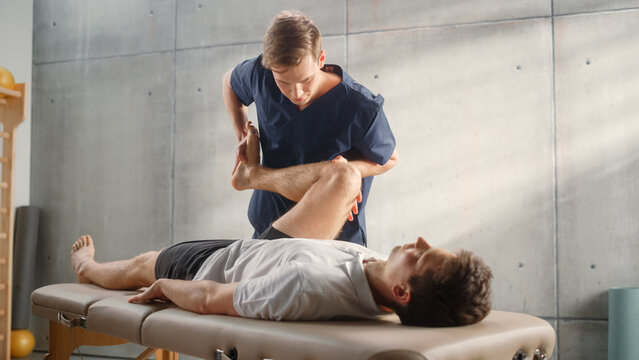
Manual therapy
Gentle stretching exercises
Pain management helps prevent further damage while preparing the body for more intensive rehabilitation exercises.
During this stage, healthcare providers closely monitor healing progress and adjust the treatment plan as needed.
Strength and Stability Training
Once pain and inflammation are under control, the focus shifts to rebuilding strength and stability.
Muscles surrounding the injured area often weaken during periods of inactivity. Strength training helps restore muscle support for joints and prevents instability.
Exercises may include:
Resistance training
Core stabilization exercises
Balance training
Functional movement drills
These exercises improve joint control and help athletes regain the strength needed for athletic performance.
Mobility and Flexibility Restoration
Injuries often lead to stiffness and limited range of motion.
Rehabilitation programs incorporate stretching and mobility exercises to restore flexibility and joint function.
Mobility training may include:
Dynamic stretching
Joint mobilization techniques
Yoga or flexibility exercises
Restoring proper movement is critical for preventing compensatory movements that could lead to additional injuries.
Movement Retraining and Biomechanics Correction
Many sports injuries occur due to improper movement patterns or muscle imbalances.
Personalized rehabilitation plans often include movement retraining, which teaches athletes how to move more efficiently and safely.
Therapists may use tools such as:
Gait analysis
Video motion analysis
Sport-specific drills
Correcting faulty movement patterns helps reduce stress on joints and muscles, improving both safety and performance.
Sport-Specific Rehabilitation
One of the biggest advantages of personalized rehabilitation programs is their ability to address the specific demands of different sports.
Each sport places unique physical stresses on the body.
For example:
A soccer player may require agility and cutting drills.
A swimmer may focus on shoulder stability and endurance.
A basketball player may need explosive jumping and landing techniques.
Sport-specific exercises help bridge the gap between general fitness and actual competition demands.
By replicating movements used during competition, rehabilitation programs ensure athletes are truly ready to return to their sport.
Psychological Support in Athletic Recovery
Recovering from a sports injury is not only physically challenging but also emotionally difficult.
Athletes may experience:
Fear of re-injury
Anxiety about returning to competition
Frustration due to slow progress
Personalized rehabilitation programs often incorporate psychological support and motivation to help athletes stay committed to recovery.
Rehabilitation specialists work closely with athletes to build confidence, track progress, and maintain a positive mindset throughout the recovery process.
This holistic approach improves both physical and mental readiness for returning to competition.
Preventing Future Injuries Through Rehabilitation
A key advantage of personalized rehabilitation is its focus on injury prevention.
Rather than simply treating symptoms, individualized programs address underlying causes such as:
Muscle imbalances
Poor posture
Weak core stability
Faulty biomechanics
Correcting these issues helps reduce the likelihood of future injuries.
Athletes also learn proper training techniques, recovery strategies, and conditioning practices that protect their bodies during competition.
The Importance of Gradual Return-to-Play Programs
Returning to sport too quickly is one of the most common mistakes athletes make after an injury.
A gradual return-to-play strategy ensures that athletes regain their full physical capabilities before resuming competition.
Return-to-play assessments often include:
Strength testing
Endurance evaluations
Functional movement tests
Sport-specific drills
These evaluations confirm that the athlete is ready to compete safely and perform at their highest level.
Role of Healthcare Professionals in Personalized Rehabilitation
Successful rehabilitation often involves a team of healthcare professionals working together.
This team may include:
Sports medicine physicians
Physical therapists
Athletic trainers
Strength and conditioning specialists
Nutritionists
Each professional contributes expertise to support the athlete’s recovery and long-term health.
Collaboration between healthcare providers ensures that the rehabilitation plan remains effective and adaptable throughout the recovery process.
Benefits of Personalized Rehabilitation Plans
Athletes who follow individualized rehabilitation programs often experience several important benefits:
Faster Recovery
Targeted treatment allows the body to heal efficiently and safely.
Reduced Risk of Re-Injury
Addressing underlying issues prevents recurring injuries.
Improved Performance
Athletes often return stronger and more conditioned than before.
Increased Confidence
Structured rehabilitation builds trust in the body’s ability to perform again.
Long-Term Athletic Health
Proper rehabilitation supports sustainable athletic performance.
These advantages make personalized rehabilitation an essential component of modern sports medicine.
Conclusion
Sports injuries can be challenging, but they do not have to mark the end of an athlete’s performance journey. With the support of personalized rehabilitation plans, athletes can recover safely and return to their sport stronger than ever.
Individualized programs address the unique needs of each athlete, focusing on injury recovery, strength development, movement correction, and psychological readiness. By tailoring rehabilitation strategies to the athlete’s body, sport, and goals, healthcare providers can significantly improve recovery outcomes.
For athletes seeking to return to peak performance, personalized rehabilitation is more than just a treatment plan—it is a comprehensive pathway back to strength, confidence, and competitive success.
Healthcare providers such as First Point MD play a crucial role in guiding athletes through this recovery journey, helping them regain optimal health and achieve their athletic goals.