

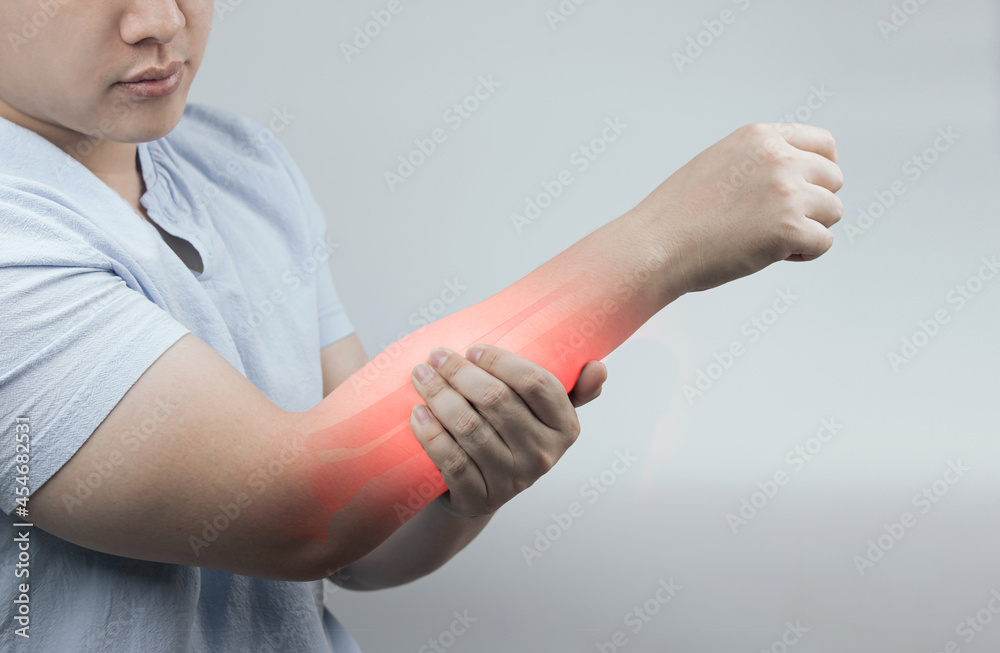
Muscle tears are among the most common injuries athletes face, whether they compete professionally or participate in recreational sports. From sprinting on the track to lifting heavy weights in the gym, intense physical activity places tremendous stress on muscle fibers. When that stress exceeds the muscle’s capacity, a tear can occur.
Rehabilitation after muscle tears is not just about resting and waiting for pain to fade. Instead, it requires a structured, evidence-based recovery plan that restores strength, flexibility, and performance while minimizing the risk of re-injury. At First Point MD, we emphasize safe, medically guided recovery strategies that help athletes return to peak performance confidently and efficiently.
Understanding Muscle Tears
A muscle tear, also known as a muscle strain, occurs when muscle fibers are overstretched or overloaded. Tears can range in severity:
Grade I (Mild): Small number of fibers damaged; minimal strength loss
Grade II (Moderate): Partial tear with noticeable weakness and swelling
Grade III (Severe): Complete rupture of the muscle, often requiring surgical intervention
Commonly affected muscles include:
Hamstrings
Quadriceps
Calves
Groin muscles
Shoulder and rotator cuff muscles
Early diagnosis and proper classification are essential because rehabilitation strategies differ depending on severity.
The Science Behind Muscle Healing
Muscle recovery occurs in three main phases:
Inflammatory Phase (First 3–5 Days)
After injury, the body initiates inflammation to remove damaged tissue. Swelling, redness, and pain are common during this stage.
Repair Phase (Days 5–21)
New muscle fibers begin to form. Scar tissue also develops to stabilize the injured area.
Remodeling Phase (3 Weeks to Several Months)
The new muscle tissue strengthens and reorganizes along lines of stress. Proper rehabilitation during this phase determines long-term strength and flexibility.
Understanding these phases helps guide evidence-based recovery methods. Pushing too hard too early can disrupt healing, while prolonged inactivity can lead to stiffness and weakness.
Immediate Care: The First 72 Hours
Early management plays a crucial role in recovery outcomes. The widely recognized POLICE principle has replaced the older RICE method:
Protection: Avoid activities that worsen injury
Optimal Loading: Gentle, pain-free movement instead of complete rest
Ice: Reduce pain and inflammation
Compression: Control swelling
Elevation: Promote fluid drainage
Complete immobilization is rarely recommended unless the tear is severe. Controlled movement supports healthy tissue regeneration.
Medical Evaluation and Imaging
Athletes should seek professional evaluation to determine the extent of injury. Diagnostic tools may include:
Physical examination
Ultrasound imaging
MRI (for moderate to severe tears)
Accurate assessment ensures the rehabilitation program matches the injury grade. Skipping medical guidance often leads to incomplete healing or chronic pain.
Evidence-Based Rehabilitation Methods
Rehabilitation after muscle tears involves progressive, scientifically supported strategies.
Progressive Loading Therapy
Research consistently shows that gradual strengthening improves muscle repair. Controlled loading stimulates collagen alignment and reduces excessive scar formation.
Examples include:
Isometric exercises (early stage)
Light resistance band work
Gradual weight training
Loading must be pain-guided and supervised.
Physical Therapy and Manual Techniques
Licensed physical therapists use techniques such as:
Soft tissue mobilization
Myofascial release
Joint mobilization
Trigger point therapy
These methods reduce stiffness and improve circulation. Manual therapy can accelerate recovery when combined with active rehabilitation.
Eccentric Strength Training
Eccentric exercises, where muscles lengthen under tension, are especially effective in hamstring and calf injuries.
For example:
Slow hamstring curls
Controlled calf lowers
Step-down movements
Studies show eccentric training reduces re-injury rates by strengthening muscle fibers at their most vulnerable length.
Neuromuscular Re-education
After a muscle tear, the brain-muscle connection can weaken. Athletes may feel unstable or hesitant.
Neuromuscular training includes:
Balance exercises
Stability drills
Sport-specific movement retraining
This phase is essential before returning to competitive activity.
Stretching and Flexibility Work
Gentle stretching should begin once acute pain subsides. Overstretching too early can worsen injury.
Evidence supports:
Static stretching in later phases
Dynamic warm-ups before activity
Foam rolling to improve tissue mobility
Flexibility must be restored carefully to prevent tight scar tissue formation.
Role of Advanced Therapies
Certain adjunct treatments may enhance recovery when used appropriately.
Platelet-Rich Plasma (PRP)
PRP injections use concentrated platelets from the patient’s blood to promote healing. Some studies suggest faster recovery in moderate muscle tears, although results vary.
Ultrasound Therapy
Therapeutic ultrasound may improve blood flow and tissue repair during early healing phases.
Electrical Stimulation
Neuromuscular electrical stimulation can prevent muscle atrophy when active exercise is limited.
While these therapies can support healing, they should complement—not replace—structured rehabilitation.
Nutrition for Muscle Recovery
Athletic recovery isn’t just about exercise. Nutrition plays a major role in muscle repair.
Key Nutrients:
Protein: Essential for rebuilding muscle fibers
Vitamin C: Supports collagen production
Vitamin D: Aids muscle function
Omega-3 fatty acids: Reduce inflammation
Magnesium and Zinc: Assist tissue healing
Hydration is equally critical. Dehydration impairs recovery and increases muscle cramping risk.
Psychological Recovery and Confidence
Returning from a muscle tear can be mentally challenging. Fear of re-injury may reduce performance even after physical healing.
Strategies include:
Gradual exposure to sport-specific movements
Mental rehearsal techniques
Confidence-building drills
Support from medical professionals and coaches
A well-rounded rehabilitation program addresses both physical and psychological recovery.
Return-to-Play Criteria
Athletes should not return to competition based solely on time. Evidence-based return-to-play guidelines include:
Full pain-free range of motion
Symmetrical strength compared to uninjured side
Ability to perform sport-specific drills without discomfort
Clearance from a healthcare professional
Rushing back too soon significantly increases re-injury risk.
Preventing Future Muscle Tears
Prevention strategies are just as important as rehabilitation.
Proper Warm-Up
Dynamic stretching and light aerobic activity prepare muscles for intense movement.
Strength and Conditioning
Balanced strength training reduces muscle imbalances.
Gradual Training Progression
Sudden increases in training intensity are a leading cause of muscle tears.
Adequate Recovery Time
Rest days are not optional—they’re essential for muscle repair.
Monitoring Fatigue
Overtraining weakens muscle resilience and increases injury risk.
Timeline for Recovery
Recovery duration varies by injury grade:
| Injury Grade | Estimated Recovery Time |
|---|---|
| Grade I | 1–3 weeks |
| Grade II | 3–8 weeks |
| Grade III | 3–6 months (or surgery required) |
Individual factors such as age, fitness level, and adherence to rehabilitation protocols also influence healing speed.
When Surgery Is Necessary
Severe Grade III tears may require surgical repair, particularly when:
The muscle is completely ruptured
Significant functional loss occurs
There is tendon involvement
Post-surgical rehabilitation follows similar principles but often requires a longer, carefully monitored recovery timeline.
Importance of Personalized Care
No two muscle tears are identical. Factors such as sport type, position played, prior injury history, and biomechanical patterns must be considered.
At First Point MD, individualized treatment plans ensure:
Accurate diagnosis
Evidence-based rehabilitation
Safe return-to-play strategies
Long-term injury prevention
Comprehensive care improves outcomes and reduces recurrence risk.
Final Thoughts
Rehabilitation after muscle tears requires more than patience—it demands structured, evidence-based intervention. From early controlled loading to eccentric strengthening and neuromuscular retraining, every stage of recovery plays a critical role in restoring performance safely.
Athletes who follow scientifically supported rehabilitation protocols not only recover faster but also return stronger and more resilient. With proper medical guidance, balanced nutrition, psychological readiness, and gradual progression, full recovery is absolutely achievable.
If you or someone you know is recovering from a muscle tear, seeking professional evaluation and guided rehabilitation can make all the difference. At First Point MD, our goal is to help athletes heal fully, perform confidently, and stay injury-free for the long term.