

Introduction
Pregnancy is one of the most exciting and transformative stages in a woman’s life. Along with joy and anticipation, it also brings physical changes and new health responsibilities. That’s why understanding the Essential Medical Checkups Every Woman Needs During Pregnancy is critical for ensuring both maternal and fetal well-being.
Regular prenatal care is not just a routine—it’s a protective shield. With consistent monitoring, healthcare providers can detect potential concerns early, manage complications, and support a safe delivery. At First Point MD, comprehensive prenatal care is centered on prevention, education, and evidence-based practice.
Let’s explore the most important medical checkups that support a healthy pregnancy from the first trimester to delivery.
Why Prenatal Checkups Matter
Prenatal visits allow providers to:
Monitor baby’s growth and development
Track maternal health changes
Identify risk factors early
Provide nutrition and lifestyle counseling
Prevent pregnancy-related complications
According to the Centers for Disease Control and Prevention, early and consistent prenatal care significantly lowers the risk of pregnancy complications and improves birth outcomes.
In short, prenatal checkups aren’t optional—they’re essential.
Initial Prenatal Visit (First Trimester)
The first prenatal appointment typically occurs between 6–10 weeks of pregnancy. This visit lays the foundation for ongoing care.
What to Expect
Detailed medical history review
Family health assessment
Physical examination
Confirmation of pregnancy
Estimated due date calculation
Initial Lab Tests
Blood and urine tests are performed to check:
Blood type and Rh factor
Hemoglobin levels
Immunity to certain infections
Thyroid function
Blood sugar levels
This first evaluation sets the stage for identifying risks early.
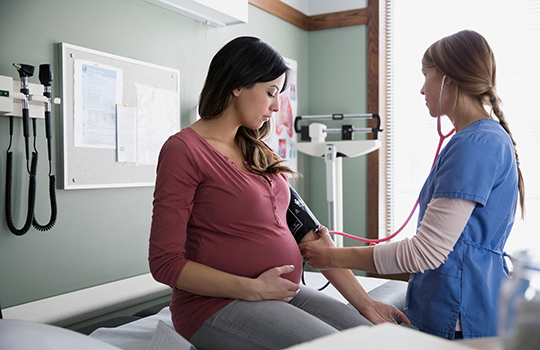
Routine Blood Pressure Monitoring
High blood pressure during pregnancy can lead to serious complications such as preeclampsia.
Why It’s Important
Preeclampsia may cause:
Swelling
Headaches
Vision changes
Organ damage
Routine blood pressure checks at every visit help detect problems early and prevent dangerous outcomes.
Ultrasound Examinations
Ultrasounds are among the most reassuring and informative prenatal tools.
First Trimester Ultrasound
Confirms pregnancy location
Detects heartbeat
Determines gestational age
Second Trimester Anatomy Scan (18–22 Weeks)
Examines fetal organs
Evaluates growth
Detects structural abnormalities
Third Trimester Growth Scan
Monitors baby’s size
Assesses amniotic fluid levels
Checks placental position
Ultrasounds are safe and non-invasive, making them an essential part of pregnancy monitoring.
Genetic and Chromosomal Screening
Many women choose genetic screening tests during pregnancy.
Common Tests Include:
Non-invasive prenatal testing (NIPT)
First-trimester screening
Quad screen (second trimester)
These tests evaluate the risk of chromosomal conditions such as Down syndrome.
The American College of Obstetricians and Gynecologists recommends offering genetic screening options to all pregnant women regardless of age.
Gestational Diabetes Screening
Between 24–28 weeks, women undergo a glucose challenge test.
Why It Matters
Gestational diabetes can lead to:
Large birth weight babies
Preterm birth
Increased cesarean risk
Future diabetes risk for mother and child
Early detection allows dietary changes and treatment to protect both mother and baby.
Iron and Anemia Testing
Pregnancy increases blood volume, which can dilute red blood cells and lead to anemia.
Symptoms of Anemia
Fatigue
Dizziness
Shortness of breath
Routine hemoglobin testing ensures oxygen supply remains adequate for both mother and fetus.
Iron supplementation may be recommended if levels are low.
Infectious Disease Screening
Infections can affect pregnancy outcomes, so screening is vital.
Common tests include:
HIV
Hepatitis B
Syphilis
Rubella immunity
Urinary tract infections
Treating infections early prevents complications such as premature birth or neonatal infection.
Weight and Nutritional Monitoring
Weight gain during pregnancy must be monitored carefully.
Why Monitoring Matters
Excessive weight gain may increase risk for:
Gestational diabetes
Hypertension
Delivery complications
Insufficient weight gain may affect fetal growth.
Providers guide appropriate weight gain based on pre-pregnancy BMI.
Group B Streptococcus (GBS) Testing
Around 35–37 weeks, women are screened for Group B Strep bacteria.
Why It’s Important
GBS is harmless in adults but can cause serious infection in newborns. If positive, antibiotics during labor reduce transmission risk.
This simple test plays a critical role in protecting newborn health.
Fetal Heart Rate Monitoring
At each prenatal visit, providers listen to the baby’s heartbeat using Doppler technology.
Later in pregnancy, non-stress tests (NST) may be performed if there are concerns about fetal movement or growth.
Regular monitoring reassures families and identifies potential concerns quickly.
Additional Specialized Checkups (If Needed)
Some pregnancies require extra monitoring due to:
Advanced maternal age
High blood pressure
Diabetes
Multiple pregnancies
History of miscarriage
In such cases, more frequent ultrasounds or specialist referrals may be necessary.
Personalized care makes all the difference.
Mental Health Screening During Pregnancy
Pregnancy isn’t just physical—it’s emotional.
Hormonal changes can trigger:
Anxiety
Depression
Mood swings
Screening for perinatal mood disorders ensures early support. Emotional wellness is just as important as physical health.
Vaccinations During Pregnancy
Certain vaccines protect both mother and baby.
Recommended vaccines may include:
Flu vaccine
Tdap (tetanus, diphtheria, pertussis)
These vaccines help protect newborns in the first months of life.
Frequency of Prenatal Visits
Typical schedule:
Every 4 weeks (up to 28 weeks)
Every 2 weeks (28–36 weeks)
Weekly (36 weeks until delivery)
Consistent attendance ensures no warning signs are missed.
Lifestyle Guidance Provided During Checkups
Prenatal visits also include counseling on:
Nutrition
Safe exercise
Prenatal vitamins
Hydration
Warning signs of complications
Education empowers women to make informed choices.
Warning Signs That Require Immediate Attention
Even between visits, contact your provider if you experience:
Severe abdominal pain
Heavy bleeding
Persistent headache
Decreased fetal movement
Sudden swelling
Prompt evaluation can prevent serious complications.
Frequently Asked Questions (FAQs)
How soon should I schedule my first prenatal visit?
As soon as pregnancy is confirmed, ideally within the first 8 weeks.
Are ultrasounds safe during pregnancy?
Yes. Ultrasounds use sound waves, not radiation, and are considered safe.
How many prenatal visits are required?
Most women attend 12–14 visits during a full-term pregnancy.
What if I miss an appointment?
Reschedule as soon as possible to maintain proper monitoring.
Do low-risk pregnancies still need all checkups?
Yes. Even healthy pregnancies require routine monitoring.
Can prenatal care reduce complications?
Absolutely. Early detection significantly lowers health risks for both mother and baby.
Conclusion
Understanding the Essential Medical Checkups Every Woman Needs During Pregnancy helps ensure a safer, healthier journey for both mother and child. From early blood tests to third-trimester screenings, each appointment serves a vital purpose.
Pregnancy may feel overwhelming at times, but with structured prenatal care, women gain reassurance, medical support, and confidence every step of the way.
At First Point MD, patient-centered prenatal care focuses on prevention, early detection, and compassionate guidance. Regular checkups aren’t just appointments—they’re milestones that safeguard two lives at once.
If you’re planning a pregnancy or have recently discovered you’re expecting, schedule your first prenatal visit and begin your journey with expert care and peace of mind.