

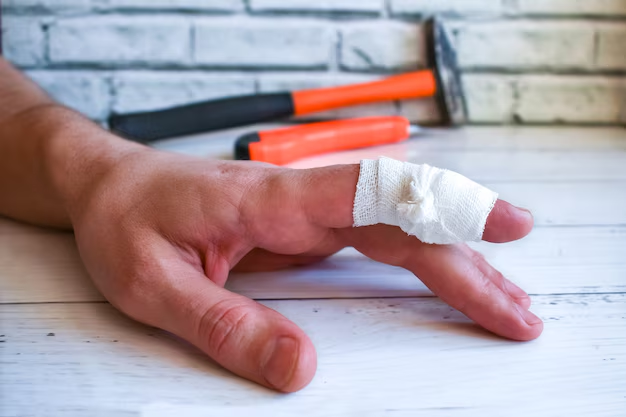
Hand and finger injuries are among the most common workplace accidents across nearly every industry. From construction sites and warehouses to kitchens and offices, cuts and lacerations happen quickly—and often when workers least expect them. While some injuries are minor, others may lead to infections, lost productivity, or even permanent damage.
Understanding hand and finger lacerations at work, along with proper occupational health treatment and safety prevention, is critical for both employees and employers. Quick response, correct medical care, and smart prevention strategies can make all the difference between a simple first aid situation and a serious medical emergency.
This guide explains causes, treatments, first aid steps, and long-term prevention methods to keep workplaces safer and workers healthier.
What Are Hand and Finger Lacerations?
A laceration is a tear or cut in the skin caused by sharp or blunt objects. Unlike small scratches, workplace lacerations may be deeper and involve:
Skin
Muscle
Tendons
Nerves
Blood vessels
Because hands contain many delicate structures, even small cuts can affect movement or sensation. That’s why timely medical evaluation is so important.
Why Hand Injuries Are So Common at Work
Hands are constantly in motion. They grip tools, move machinery, lift objects, and handle materials. Naturally, this increases risk.
Common reasons for frequent injuries include:
Direct contact with sharp tools
Repetitive tasks
Fast-paced environments
Poor lighting
Lack of protective gloves
Fatigue or distraction
Simply put, the more we use our hands, the higher the chance of injury.
High-Risk Work Environments
Certain industries report higher rates of hand and finger lacerations at work.
Construction and Carpentry
Power saws
Nails and metal edges
Heavy equipment
Manufacturing and Warehouses
Conveyor belts
Box cutters
Machinery
Food Service and Restaurants
Knives
Meat slicers
Broken glass
Healthcare and Laboratories
Surgical tools
Needles
Sharp instruments
Office and Retail
Even everyday tasks like opening boxes or handling broken items can cause cuts.
No workplace is entirely risk-free.
Common Causes of Workplace Lacerations
Identifying causes helps prevent future injuries. Typical triggers include:
Improper tool use
Damaged equipment
Missing safety guards
Rushing tasks
Slippery hands or gloves
Inadequate training
Interestingly, many injuries occur during routine tasks—not complex ones—because people become less cautious over time.
Signs That a Cut Needs Medical Attention
Not every cut requires emergency care, but some do. Workers should seek medical treatment if they notice:
Heavy or uncontrolled bleeding
Deep or gaping wound
Visible fat, muscle, or bone
Numbness or tingling
Limited movement
Severe pain
Signs of infection (redness, swelling, pus)
These symptoms may indicate nerve or tendon damage.
Ignoring such injuries can lead to long-term problems.
Immediate First Aid for Hand and Finger Lacerations
Fast first aid can prevent complications and reduce bleeding.
Step 1: Stop the bleeding
Apply firm pressure with clean gauze or cloth.
Step 2: Clean the wound
Rinse gently with clean water to remove debris.
Step 3: Apply antiseptic
Helps reduce infection risk.
Step 4: Cover with sterile bandage
Keep protected and dry.
Step 5: Elevate the hand
Reduces swelling and bleeding.
If bleeding continues beyond 10 minutes, seek urgent care.
Occupational Health Treatment Options
Professional medical evaluation ensures safe healing. Occupational health clinics specialize in workplace injuries and can provide:
Wound Assessment
Doctors check depth, tissue involvement, and contamination.
Stitches or Sutures
Deep cuts often need closure to promote healing.
Tetanus Vaccination
Important if immunization isn’t up to date.
Antibiotics
Used when infection risk is high.
Splinting
Immobilizes injured fingers or tendons.
Referral to Specialists
Severe injuries may require hand surgeons or physical therapy.
Early care often prevents complications and reduces time away from work.
Why Occupational Health Clinics Matter
Choosing specialized care benefits both workers and employers.
Occupational health providers:
Understand workplace injury patterns
Offer faster return-to-work plans
Handle documentation
Coordinate workers’ compensation
Provide follow-up rehabilitation
Clinics like First Point MD focus on efficient, evidence-based treatment that gets employees safely back on the job without rushing recovery.
This balanced approach protects health and productivity.
Recovery and Rehabilitation
Healing doesn’t end once the wound closes.
Workers may need:
Gentle exercises
Grip strengthening
Range-of-motion therapy
Scar management
Activity modifications
Without rehab, stiffness and weakness can persist. Proper therapy restores full hand function.
Remember: hands are complex. Small injuries can have big effects if not rehabilitated correctly.
Safety Prevention Strategies That Work
Prevention is always better than treatment. Employers can significantly reduce injuries with simple measures.
Personal Protective Equipment (PPE)
Cut-resistant gloves
Proper fitting gear
Non-slip materials
Tool Maintenance
Sharp blades replaced
Broken tools discarded
Machine guards installed
Training Programs
Safe handling techniques
Equipment demonstrations
Hazard awareness
Workplace Organization
Clear clutter
Proper lighting
Dry surfaces
Scheduled Breaks
Fatigue increases mistakes. Rest keeps workers alert.
These strategies may sound basic, but they’re highly effective.
Building a Culture of Safety
Safety isn’t just about equipment—it’s about mindset.
Companies that prioritize safety:
Encourage reporting hazards
Provide regular safety meetings
Reward safe behaviors
Investigate incidents
Support injured employees
When workers feel comfortable speaking up, accidents decrease.
It becomes second nature to protect one another.
Employer Responsibilities
Employers play a legal and ethical role in injury prevention.
They should:
Provide training
Supply protective gear
Maintain safe tools
Document incidents
Ensure access to medical care
Follow occupational safety standards
Failing to address hazards may lead to higher costs, lawsuits, and lost productivity.
Investing in safety actually saves money long term.
Employee Responsibilities
Workers also share responsibility.
They should:
Wear PPE
Follow procedures
Report unsafe conditions
Avoid shortcuts
Seek care promptly
A team effort keeps everyone safe.
When to Return to Work
Returning too early can worsen injuries. Occupational health professionals typically assess:
Pain levels
Hand strength
Movement range
Job demands
Modified duty may be recommended initially.
Gradual return protects healing tissues while maintaining productivity.
Long-Term Complications to Watch For
Without proper treatment, complications may include:
Chronic pain
Loss of grip strength
Nerve damage
Reduced mobility
Infection
Permanent scarring
Early intervention prevents most of these outcomes.
Frequently Asked Questions
Are small cuts at work serious?
Even minor cuts can become infected or affect movement. Clean and monitor them.
When should stitches be considered?
If the wound is deep, longer than half an inch, or won’t close, medical care is needed.
Can I return to work immediately after treatment?
Light duty may be possible, but heavy tasks should wait until cleared by a provider.
Do gloves really prevent injuries?
Yes. Cut-resistant gloves significantly reduce laceration risk.
Should I update my tetanus shot after a cut?
Yes, especially if your last shot was more than 5 years ago.
Why use an occupational clinic instead of urgent care?
Occupational clinics specialize in workplace injuries and return-to-work planning.
Conclusion: Protect Hands, Protect Productivity
Hands are essential tools for nearly every job. A simple cut may seem minor, but it can disrupt work, cause pain, and lead to costly complications if ignored.
By understanding hand and finger lacerations at work, applying prompt occupational health treatment, and strengthening safety prevention practices, both workers and employers create a healthier, more productive environment.
With proper training, protective equipment, and professional care, most injuries are preventable—and when they do happen, recovery can be smooth and fast.
Taking hand safety seriously today protects your workforce tomorrow.