

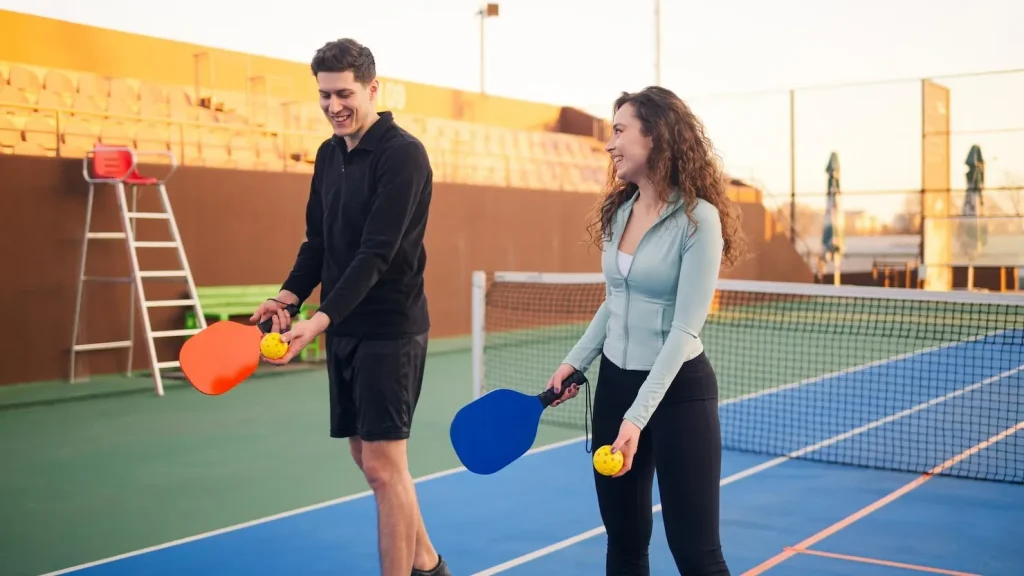
Pickleball’s popularity has surged, especially among older adults, but with increased playtime comes a higher risk of injuries. Understanding how to prevent pickleball injuries and effectively treat them is crucial for every pickleball player. This guide, brought to you by FirstPointMD, delves into the common injuries related to pickleball, offering practical advice to keep you safely enjoying the game of pickleball.
Understanding Common Pickleball Injuries
Pickleball is a sport that combines elements of tennis, badminton, and table tennis, played on a pickleball court with a paddle and a perforated plastic ball. While offering excellent cardiovascular exercise and social interaction, playing pickleball can also lead to common injuries, especially overuse injuries. Being aware of these potential problems is the first step in avoiding injuries and maintaining a healthy, active lifestyle.
Overview of Pickleball Injuries
The age of a pickleball player often contributes to the types of injuries sustained. Many participants are 55 and older, making them more prone to injuries. These can range from muscle strains and ankle sprains to more severe conditions like fractures. Understanding the types of injuries in pickleball will help you prevent injuries and ensure a safer playing experience. FirstPointMD offers comprehensive sports medicine services to help you recover and get back on the pickleball court.
Common Types of Injuries in Pickleball
Here are some common pickleball injuries that players should be aware of. These injuries often affect different parts of the body and can include:
- Pickleball elbow, which is similar to tennis elbow or lateral epicondylitis.
- Rotator cuff problems, often caused by repetitive overhead motions.
- Lower body injuries, such as Achilles tendonitis, ankle sprains, and hamstring strains, frequently seen due to quick, side-to-side movements and lunges.
Understanding these common injuries is crucial for effective prevention and treatment.
Characteristics of Pickleball Injuries
Pickleball injuries are often the result of overuse, sudden movements, or inadequate warm-up routines. Many injuries related to pickleball involve the tendons and muscles, leading to conditions like Achilles tendon and elbow injuries. The repetitive nature of the game, combined with quick bursts of activity, can place significant stress on joints like the ankle, increasing the risk of injuries. It’s important to listen to your body and address any discomfort early to help prevent severe issues.
Preventing Pickleball Injuries
Warm Up Properly Before Playing
Before playing pickleball, a comprehensive warm-up routine is essential to help prevent common pickleball injuries. Begin with light cardiovascular exercises such as jogging or jumping jacks to increase blood flow to the muscles. Follow this with dynamic stretches like leg swings, arm circles, and torso twists to improve flexibility and range of motion. A proper warm-up prepares your body for the demands of playing pickleball, reducing the risk of muscle strains and other injuries. Remember, a few minutes of preparation can significantly enhance your performance and minimize the risk of sports injuries.
Tips for Avoiding Injuries on the Court
To avoid common pickleball injuries, focus on proper technique and court awareness. Wear appropriate running shoes that offer good ankle support and cushioning. Maintain a balanced stance and avoid overreaching for shots. Use your legs for power, rather than straining your arm, to prevent pickleball elbow and rotator cuff issues. Stay hydrated, take breaks, and avoid overexertion, especially during longer matches. These adjustments can go a long way in preventing injuries and ensuring a safe and enjoyable playing experience.
Listening to Your Body: A Key to Prevention
One of the most important aspects of preventing injuries is to listen to your body. If you experience any pain or discomfort while playing pickleball, stop immediately and rest. Ignoring early warning signs can lead to more severe issues, such as Achilles tendonitis or elbow injuries. Pay attention to muscle fatigue and adjust your playing intensity accordingly. Remember, it’s better to take a break and recover than to push through pain and risk a prolonged absence from the pickleball court.
Treatment Options for Pickleball Injuries
First Aid for Ankle Injuries
Ankle sprains are a common pickleball injury, so immediate first aid is essential. Apply the RICE protocol: Rest, Ice, Compression, and Elevation. Rest the injured ankle by avoiding weight-bearing activities. Apply ice packs for 15-20 minutes every 2-3 hours to reduce swelling and pain. Use a compression bandage to provide support and minimize further swelling. Elevate the ankle above heart level to help reduce inflammation. If pain is severe or you cannot bear weight, seek immediate medical attention.
Managing Overuse Injuries
Overuse injuries, such as pickleball elbow and Achilles tendonitis, require a comprehensive management approach. Rest the affected area to allow it to heal. Apply ice to reduce inflammation and pain. Use over-the-counter pain relievers, if needed. Physical therapy can help improve strength, flexibility, and proper movement patterns. In some cases, orthopaedic intervention may be necessary to address chronic conditions. Early intervention is key to preventing these injuries from becoming chronic.
When to Seek Orthopaedic Help
While many minor pickleball injuries can be managed with home care and physical therapy, it’s important to know when to seek professional orthopaedic help. If you experience severe pain, persistent swelling, limited range of motion, or an inability to bear weight, consult with FirstPointMD. Conditions such as fractures, severe ankle sprains, rotator cuff tears, and advanced arthritis may require specialized treatment, including medication, injections, or surgery. Seeking timely orthopaedic care can help prevent long-term complications and ensure a full recovery.
Special Considerations for Older Adults
Common Injuries in Older Pickleball Players
Older pickleball players are particularly susceptible to specific common injuries due to age-related changes in their bodies. Conditions like arthritis and decreased bone density can increase the risk of injuries such as fractures and sprains. Overuse injuries, like pickleball elbow and Achilles tendonitis, are also more prevalent among older adults. It’s essential to be aware of these increased risks and take extra precautions to prevent injuries. Tailoring a training and stretching program to address individual needs is crucial for safe play.
Strategies for Safe Play Among Seniors
To ensure safe play among seniors, several strategies can be implemented to help prevent pickleball injuries. Begin with a thorough warm-up that includes gentle cardiovascular exercises and dynamic stretches to improve flexibility and range of motion. Using proper technique, especially during serves and overhead shots, reduces the strain on joints and muscles. It is important for players to listen to your body and take a break when fatigued. Regular physical therapy can address any existing conditions. These strategies are useful in avoiding injuries.
Importance of Strength and Flexibility Training
Strength and flexibility training are essential components of injury prevention, especially for older adults playing pickleball. Strengthening exercises targeting the rotator cuff, hamstrings, and calf muscles provide added support and stability. Regular stretching, including dynamic stretches before play and static stretches afterward, improves flexibility and reduces the risk of muscle strain and Achilles tendon issues. Incorporating strength and flexibility training into your routine helps prevent injuries and ensures a longer, more enjoyable pickleball experience. FirstPointMD can help create a pickleball specific strength and stretching program.
Conclusion:
In conclusion, while pickleball offers numerous health benefits, it’s essential to be aware of the common injuries and take proactive steps to prevent them. FirstPointMD emphasizes the importance of proper warm-up routines, including dynamic stretches like leg swings and arm circles to prepare the muscles for the demands of the game. Strengthening exercises that target key muscle groups, such as the rotator cuff, hamstrings, and calf muscles, can provide additional support and stability. Wearing appropriate footwear, such as tennis or court shoes designed for lateral movements, is crucial for preventing ankle injuries and ensuring proper foot support.
FAQs
What are the most common pickleball injuries?
The most common pickleball injuries include ankle sprains, tennis elbow (lateral epicondylitis), rotator cuff injuries, hamstring strains, and Achilles tendonitis. These injuries often stem from the side-to-side movements and repetitive motions involved in playing pickleball. As a pickleball player, understanding these types of injuries is crucial for prevention and proper care, especially considering the risk of injuries associated with the sport.
How can I prevent ankle injuries while playing pickleball?
To prevent injuries, warm up before playing pickleball, stretch regularly, wear appropriate running shoes for side-to-side movements, use proper technique, and listen to your body, taking breaks when needed. Strengthening exercises for the ankle and calf muscles can also help prevent ankle sprains. Remember, these precautions are crucial for all pickleball players to avoid injuries and enjoy the game of pickleball.
What should I do if I experience pain while playing?
If you experience pain while playing pickleball, stop immediately. Playing pickleball should be pain free. Rest the affected area and apply ice to reduce swelling. If the pain persists or worsens, consult with FirstPointMD (Location, Phone number) or seek orthopaedic help. Ignoring pain can lead to more severe overuse injuries, such as Achilles tendonitis or pickleball elbow, which may require extended physical therapy.
Are older adults more prone to pickleball injuries?
Yes, older adults, particularly those 55 and older, are more prone to injuries due to age-related factors such as decreased muscle strength, flexibility, and bone density. Common injuries in this age group include ankle sprains, rotator cuff tears, and arthritis. However, older adults can mitigate this risk of injuries with proper warm-up routines, appropriate running shoes, and modifications to their playing pickleball style.
When should I seek professional help for an injury?
Seek professional help for an injury if you experience severe pain, persistent swelling, an inability to bear weight, or a limited range of motion. Conditions such as a suspected fracture, severe ankle sprain, or rotator cuff tear warrant immediate medical attention. FirstPointMD offers sports medicine services to diagnose and treat common injuries, ensuring you receive the orthopaedic care you need.