
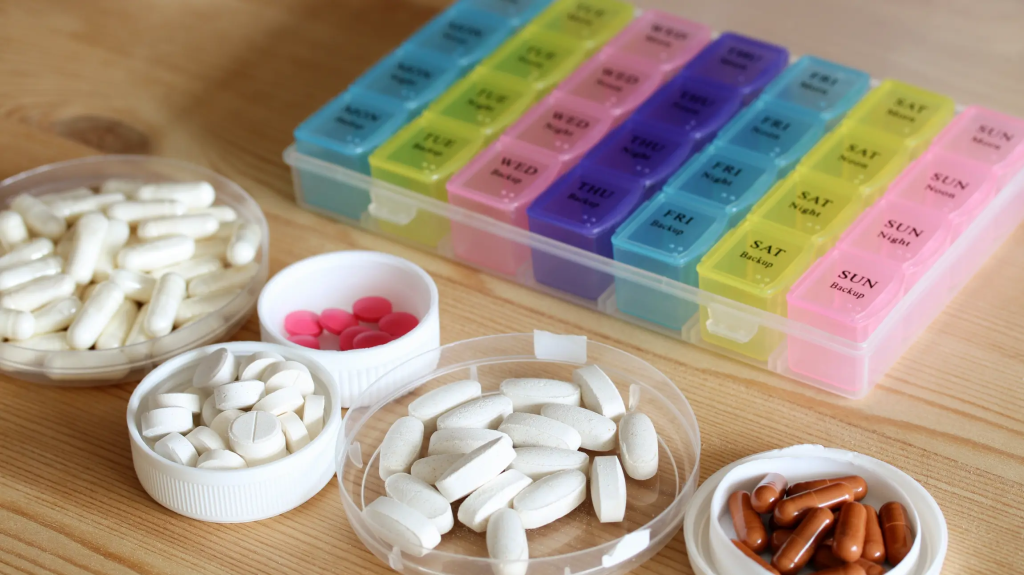
Medications play a critical role in managing illnesses, relieving symptoms, and improving quality of life. However, when medications are not used as prescribed or safety guidelines are ignored, the consequences can be serious—sometimes even life-threatening.
At First Point MD, patient safety and education are top priorities. This article explores the real-life consequences of ignoring proper medication use and safety guidelines, highlighting common mistakes, health risks, and how individuals can protect themselves through responsible medication practices.
Why Proper Medication Use Matters
Medications are carefully formulated and tested to ensure they are safe and effective when used correctly. Dosage instructions, timing, and duration are not suggestions—they are essential components of safe treatment.
Ignoring medication guidelines can result in:
Reduced treatment effectiveness
Increased side effects
Drug interactions
Long-term organ damage
Proper medication use ensures the best possible health outcomes.
Common Medication Misuse and Safety Errors
Many medication-related problems stem from everyday habits that seem harmless but can lead to serious health issues.
Skipping Doses or Stopping Medication Early
Some patients stop taking medication as soon as they feel better. While this may seem reasonable, it can lead to:
Incomplete treatment of infections
Antibiotic resistance
Symptom recurrence
Completing prescribed courses is essential for full recovery.
Taking More Than the Recommended Dose
Increasing dosage without medical advice can cause toxicity, especially with pain relievers, sedatives, and heart medications.
Potential consequences include:
Liver or kidney damage
Internal bleeding
Heart rhythm disturbances
More is not better when it comes to medication safety.
Mixing Medications Without Guidance
Combining prescription drugs, over-the-counter medications, and supplements without professional guidance increases the risk of harmful interactions.
Examples include:
Blood thinners and certain pain relievers
Sedatives and alcohol
Herbal supplements affecting blood pressure or heart rate
Always inform your healthcare provider about all medications you take.
Real-Life Health Consequences of Medication Misuse
The effects of ignoring medication safety guidelines extend beyond mild side effects.
Drug Toxicity and Overdose
Improper use can lead to accidental overdoses, which may cause:
Severe organ failure
Respiratory depression
Loss of consciousness
Death
Even commonly used medications can be dangerous when misused.
Chronic Health Complications
Long-term misuse of medications may result in lasting damage, such as:
Kidney damage from overuse of NSAIDs
Liver disease from excessive acetaminophen use
Hormonal imbalances from improper steroid use
These conditions often develop gradually and may go unnoticed until advanced.
Antibiotic Resistance
One of the most serious public health consequences of improper medication use is antibiotic resistance. When antibiotics are misused, bacteria evolve and become harder to treat.
This can lead to:
Longer illnesses
Increased medical costs
Limited treatment options
Responsible antibiotic use protects both individual and public health.
Impact on Mental and Emotional Health
Medication misuse doesn’t just affect physical health—it can also impact mental well-being.
Dependency on painkillers or sedatives
Increased anxiety from medication side effects
Mood changes caused by improper dosing
Mental health consequences often require long-term treatment and support.
Medication Errors in Older Adults
Older adults are particularly vulnerable due to:
Multiple chronic conditions
Polypharmacy (taking multiple medications)
Age-related changes in metabolism
Ignoring safety guidelines in this population can increase risks of falls, confusion, hospitalization, and adverse drug reactions.
At First Point MD, special attention is given to medication reviews for older patients.
The Role of Proper Storage and Handling
Medication safety also involves proper storage and handling.
Unsafe practices include:
Storing medications in heat or humidity
Keeping expired medications
Leaving medications accessible to children
Improper storage can reduce effectiveness or increase the risk of accidental poisoning.
When Medication Errors Become Emergencies
Seek immediate medical attention if you experience:
| Symptom | Possible Cause |
|---|---|
| Severe dizziness or confusion | Overdose or interaction |
| Trouble breathing | Allergic reaction |
| Chest pain | Medication side effect |
| Uncontrolled bleeding | Blood thinner misuse |
Prompt treatment can prevent life-threatening outcomes.
How Healthcare Providers Promote Medication Safety
Healthcare professionals play a crucial role in preventing medication-related harm by:
Reviewing medication lists regularly
Adjusting doses based on health changes
Educating patients on proper use
Monitoring for side effects
At First Point MD, providers emphasize patient education and open communication.
Tips for Safe Medication Use
To reduce risks, follow these essential safety tips:
Take medications exactly as prescribed
Read labels carefully
Use one pharmacy when possible
Keep an updated medication list
Ask questions if instructions are unclear
Being proactive protects your health.
The Importance of Patient Education
Understanding why and how to take medications correctly empowers patients to make safer choices. Education helps:
Improve treatment outcomes
Reduce hospitalizations
Prevent medication errors
First Point MD prioritizes patient education as part of comprehensive care.
How First Point MD Supports Medication Safety
First Point MD provides patient-centered care focused on medication safety through:
Personalized treatment plans
Medication reconciliation
Ongoing monitoring
Clear communication
Our goal is to help patients use medications safely and confidently.
Frequently Asked Questions
Can I stop medication if I feel better?
Only stop or adjust medication after consulting your healthcare provider.
Are over-the-counter drugs always safe?
No. OTC medications can still cause serious side effects if misused.
Why should I avoid sharing medications?
Medications are prescribed based on individual health needs and can be harmful to others.
What should I do if I miss a dose?
Follow your provider’s instructions or contact your healthcare team for guidance.
Conclusion
Ignoring proper medication use and safety guidelines can lead to serious, preventable health consequences. From treatment failure and organ damage to life-threatening emergencies, medication misuse affects individuals and communities alike.
By understanding the real-life consequences of ignoring proper medication use and safety guidelines, patients can make informed decisions that protect their health. With education, vigilance, and support from First Point MD, safe medication use becomes an achievable and essential part of everyday healthcare.
If you have questions about your medications or need guidance, the experienced team at First Point MD is here to help.